


If you’ve spent any time on TikTok lately, you’ve probably noticed that fiber is having a moment.
The latest wellness buzzword is fibermaxxing, a trend that’s encouraging people to load up on fiber-rich foods in an effort to improve gut health, stay full longer, and support their overall well-being. Unlike some viral health ideas that promise quick fixes or require pricey supplements, this asks people to eat more fibrous foods.
While the name may be new, the advice isn’t. Nutrition experts have been encouraging people to eat more fiber for years because of the many ways it supports good health.
What is Fibermaxxing?
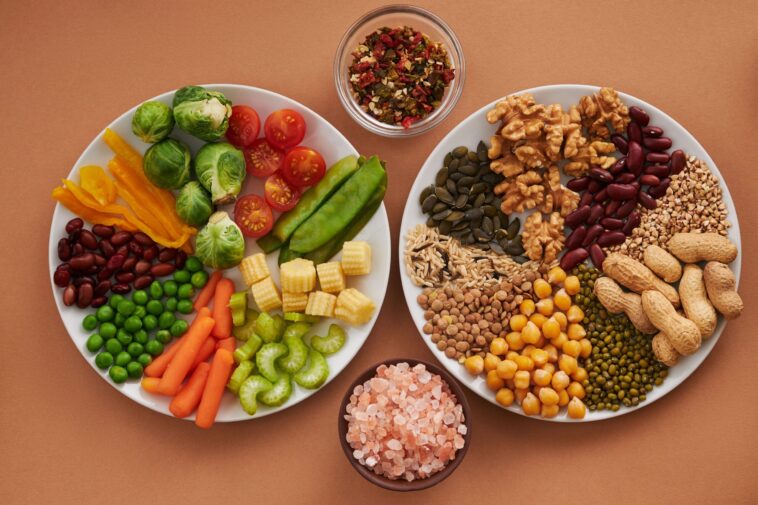
At its core, fibermaxxing is about making fiber a priority at every meal. Instead of counting calories or cutting out certain foods, people are looking for easy ways to add more fruits, vegetables, beans, whole grains, nuts, and seeds ot what they’re already eating.
Think oatmeal topped with berries and chia seeds for breakfast, a salad loaded with chickpeas for lunch, or roasted vegetables alongside dinner. They’re simple changes, but they can add up throughout the day.
The average American doesn’t get enough fiber, even though it’s one of the nutrients our bodies rely on every day. Most adults should aim for about 25 to 38 grams daily, depending on age and sex, but many fall well short of that goal.
That’s one reason the trend has caught on. Instead of focusing on what you shouldn’t eat, fibermaxxing shifts the conversation to adding more nutrient-rich foods to your plate.
Getting enough fiber may help:
- Keep your digestive system running smoothly.
- Support a healthy gut microbiome.
- Help you feel full longer after meals.
- Support healthy cholesterol levels.
- Promote steadier blood sugar levels.
- Support long-term heart health.
Easy Ways to Eat More Fiber
You don’t have to overhaul your diet to increase your fiber intake completely. A few small swaps can make a noticeable difference.
Try adding foods like:
- Oats
- Apples and pears
- Berries
- Avocados
- Lentils
- Black beans or chickpeas
- Broccoli and Brussels sprouts
- Sweet potatoes
- Brown rice or quinoa
- Chia seeds and flaxseeds
- Almonds or pistachios
Even adding one high-fiber food to each meal can help you get closer to your daily goal.
While fiber supplements can help people who struggle to meet their daily needs, nutrition experts generally recommend getting fiber from whole foods whenever possible. Fruits, vegetables, legumes, nuts, seeds, and whole grains provide vitamins, minerals, antioxidants, and other nutrients that supplements can’t fully replace.
Keep in Mind
If your current diet is low in fiber, don’t feel like you have to go from zero to 100 overnight.
Increasing your fiber intake too quickly can cause bloating, gas, or stomach discomfort. It’s best to make gradual changes and drink plenty of water, which helps fiber do its job properly.
Anyone with digestive conditions like IBS or inflammatory bowel disease should check with their healthcare provider before making significant changes to their diet.
Not every wellness trend lives up to hype, but fibermaxxing is different. It’s based on nutrition advice that’s been around for decades, just packaged with a catchy name that’s gained traction on social media.
If the trend encourages more people to eat an extra serving of vegetables, swap refined grains for whole grains, or toss some beans into a salad, that’s probably a good thing. At the end of the day, fibermaxxing isn’t about chasing another internet fad. It’s about building healthier habits with foods that are easy to find, affordable, and good for your body.





Comments