


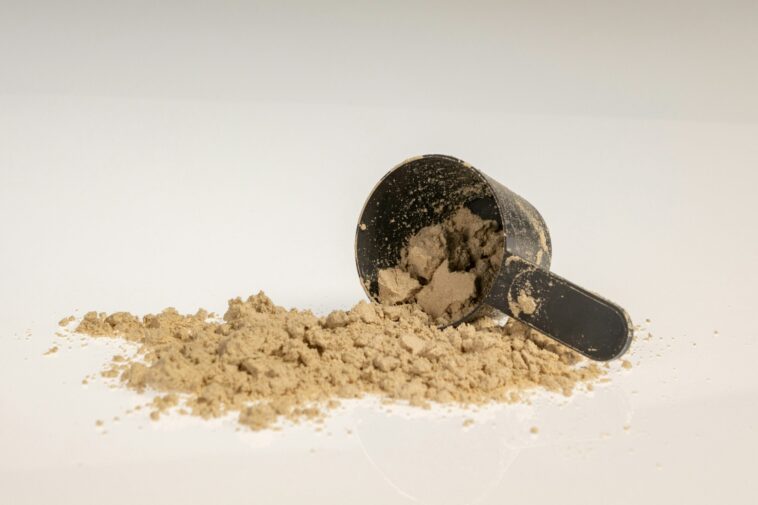
In 2026, protein is no longer just for gym-goers and bodybuilders. It seems to have become the star ingredient in everything from coffee orders to desserts, transforming everyday indulgences into a potential “better-for-you” treat. A treat that promises energy, fullness, and body wellness in every sip or bite.
Nowadays, if you walk into almost any coffee shop or grocery store, the trend is impossible to miss. Protein cold foam tops iced coffees, “proffee” or protein coffee has taken over social media, and high-protein ice cream brands are filling freezer aisles. What started as a niche fitness trend has quickly evolved into a mainstream lifestyle movement fueled by wellness culture and changing consumer habits.
According to a report by Johns Hopkins University, protein-focused products are now one of the fastest-growing categories in food and beverage. One report from GlobalData found that consumers are increasingly prioritizing multifunctional foods and drinks that combine convenience, energy, and nutrition.
Coffee chains seem to be embracing this trend. Starbucks recently expanded its beverage selection with protein cold foam and protein-enhanced lattes, while other chains, including Dunkin’ and regional coffee brands, have begun offering similar add-ons. Food & Wine reports that protein coffee customizations have surged as consumers look for drinks that double as breakfast replacements or post-workout fuel.
The rise of “proffee,” a mix of coffee and protein shakes or powders, has been especially popular among millennials and Gen Z consumers looking for convenient ways to increase protein intake without changing their routines. TikTok creators have regularly shared recipes for iced protein lattes, caramel protein cold brews, and protein matcha drinks, helping turn the trend into a viral phenomenon.
Furthermore, high-protein ice cream has exploded in popularity, thanks in part to viral recipes made with cottage cheese, Greek yogurt, and protein powder. Home cooks using appliances like the Ninja Creami have helped push protein desserts into the mainstream, with online communities dedicated to creating lower-calorie, high-protein versions of classic comfort foods.
But the appeal is about more than fitness. Many consumers say they are looking for foods that help them feel fuller longer, support energy levels, and align with broader wellness goals.
At the same time, brands are learning that taste still matters. While consumers may want more protein, they also expect indulgence. That’s why companies are infusing protein into nostalgic and comfort-focused foods rather than traditional shakes and bars.
Not everyone is convinced the trend is entirely necessary, though. Nutrition experts caution that some protein-enhanced products can still contain high amounts of sugar, artificial sweeteners, or additives. Making protein-focused meals using whole foods, meat, beans, and vegetables can provide enough protein for many people.
From protein pancakes and cereals to protein sodas and dessert bowls, protein has become less about hardcore fitness culture and more about lifestyle branding. In today’s wellness-driven world, consumers want foods that multitask, and it seems protein has become a potentially promising ingredient that does it all.





Comments