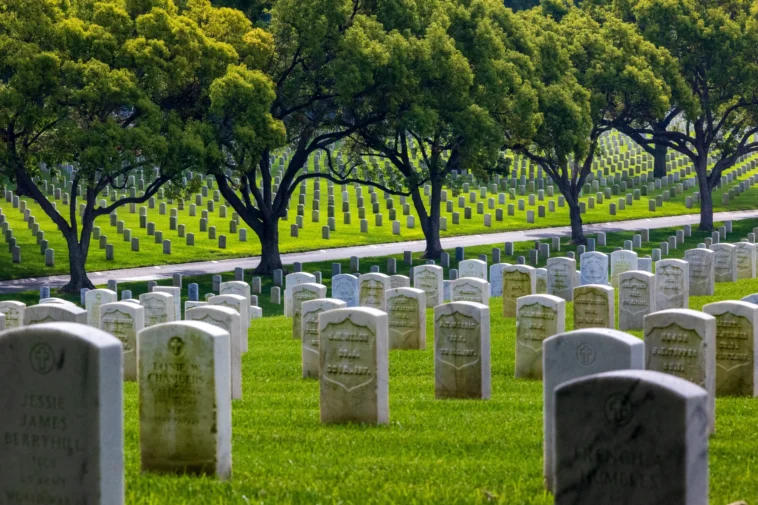
In Central Florida, Memorial Day arrives with all the familiar signs of summer. Families gather for cookouts, lakes fill with boats, and many people take advantage of the long holiday weekend to travel or relax. But behind the unofficial start of summer is a meaningful holiday, a day dedicated to honoring the Americans who died while serving their country.
The History
Memorial Day began in the years following the Civil War, the deadliest conflict in American history. As communities across the country mourned the loss of life, families and veterans groups started decorating soldiers’ graves with flowers, wreaths, and flags. These tributes became known as “Decoration Day.”
While several towns claim to be the birthplace of Memorial Day, historians generally agree that the tradition developed in many places at once during the late 1860s. In 1868, General John A. Logan, leader of a Union veterans organization called the Grand Army of the Republic, formally called for a nationwide day of remembrance on May 30. The date was chosen because flowers would be blooming across much of the country.
Originally, the holiday honored only those who died in the Civil War. After World War I, however, its meaning expanded to recognize Americans who lost their lives in all military conflicts. The name “Memorial Day” became more common after World War II and was officially declared the federal name in 1967. In 1971, Congress moved the observance to the final Monday in May, creating the three-day weekend Americans recognize today.
There are also many traditions associated with Memorial Day across the country. American flags are placed at cemeteries and memorials, the flag is flown at half-staff until noon, and communities gather for ceremonies honoring fallen service members. The red poppy also became a symbol of remembrance after World War I, inspired by the famous poem “In Flanders Fields.”
Although Memorial Day has naturally evolved into a holiday weekend filled with travel and celebration, its original purpose remains the same: remembering those who never returned home from service.
Memorial Day in Central Florida
Florida is second to Texas as one of the nation’s largest veteran populations, making Memorial Day especially significant throughout the state. For many families, the holiday is a time to reflect on relatives, friends, and neighbors who served and sacrificed.
At the same time, Memorial Day weekend also reflects the spirit of our community. Families gather outdoors, enjoy Florida’s lakes and parks, and spend time together before the busy summer season begins. That balance of remembrance and community seems to have defined the way we celebrate those whose lives were lost.