


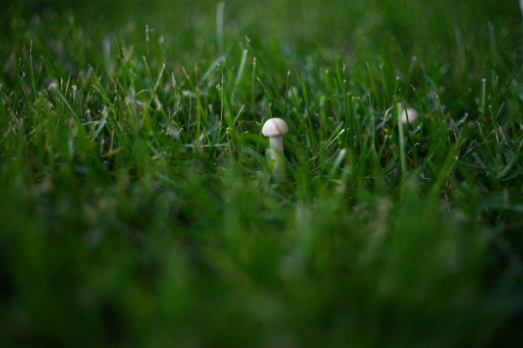
An afternoon storm rolls across Orlando, and by morning the lawn has sprouted little caps. Kids point at them, and the dog sniffs them. Few homeowners know what those mushrooms are doing there.
Meanwhile, shops and websites sell different types of mushroom products made from Amanita muscaria, the storybook fly agaric. These are prepared goods for adults, sold where local law allows them. The yard caps and the shelf products are very different things.
Why Do Mushrooms Pop Up After Central Florida Storms?
Water is the trigger. The UF/IFAS Gardening Solutions team writes that fungi flourish during Florida’s rainy season. The fungus itself can live unseen in the soil for years. The mushroom is only its reproductive structure.
Matthew Smith, a UF/IFAS plant pathology professor and curator of the UF Fungal Herbarium, explains the timing in a UF mushroom Q&A. Florida is limited by water, he says, not by cold. Here is how the year breaks down:
- “Summer” mushrooms might appear anywhere from March to November.
- Cooler-season mushrooms can follow from about late November through February if winter brings enough rain.
- In a wet year, mushrooms can turn up in any month.
- Smith has named more than 50 fungi himself.
These mushrooms break down rotting organic matter and enrich the soil. That fits neatly with Florida-Friendly Landscaping, which works with the state’s natural conditions.
Should You Pick the Mushrooms In Your Yard?
No. This is not a foraging guide, and UF/IFAS Gardening Solutions urges residents not to eat wild mushrooms. Some species closely mimic edible ones. Smith’s advice comes down to a few plain rules:
- When in doubt, throw it out. That is his own phrase for any wild mushroom.
- Never trust an app. He warns that using an app to identify a mushroom and then eating it is prone to error.
- Watch small children and pets. Stomach upset is the most common reaction, though some wild species can cause serious illness.
- Remove caps only when needed. UF/IFAS notes they help break down rotting organic matter, so removal mainly matters where kids or pets play.
- Call for help fast. If someone swallows a yard mushroom, call Poison Help at 1-800-222-1222.
A yard mushroom carries no label at all, which sets it apart from a shelf product.
How Are Shelf Mushroom Products Different?
Amanita products start in distant forests, not Florida lawns. Amentara says Amanita cannot be cultivated on commercial farms, so expert harvesters gather it. Its foragers typically work from late summer through early fall.
Preparation comes next. Fresh, unprocessed caps carry more ibotenic acid, and in high doses that compound can cause unwanted side effects. A 2025 literature review in Health Problems of Civilization says drying converts ibotenic acid to muscimol. Careful drying lowers that share, so the method behind a product counts.
Quality still varies between sellers, so a few signals deserve attention:
- A named species. Amanita muscaria, pantherina and regalis are distinct mushrooms.
- A seal or standard. The Amentara Trust Seal marks products sourced to the brand’s quality standards.
- A lab report, weighed carefully. Treat a certificate of analysis as a single clue. A PDF is easy to fake, and Amanita compounds remain hard to pin down in testing.
Readers who compare supplements for adults will know this habit already.
Which Product Formats Will You See?
Amentara’s collection shows how many forms one mushroom can take. The table describes formats only, not amounts or use.
| Format | What it is |
| Whole caps | Dried Amanita caps, sold by weight |
| Capsules | Powdered cap in a shell, such as the 500mg muscaria capsule |
| Gummies | Chewable gummies made with Amanita |
| Chocolate bars | Chocolate infused with a decarbed Amanita muscaria extract |
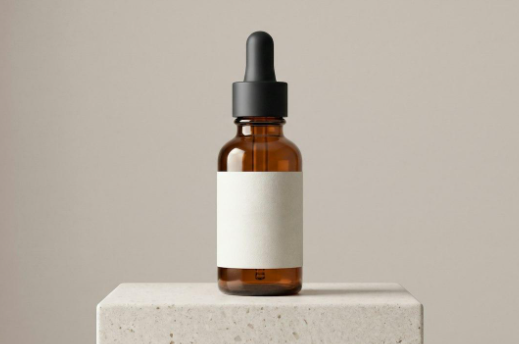
| Tinctures | A liquid Amanita extract in a dropper bottle |
| Powders | Milled, dried cap material |
| Starter kit | 30 capsules of 500mg, 30 grams of whole caps and a chocolate bar |
On December 18, 2024, the FDA said Amanita muscaria and its main compounds are not authorized as ingredients in conventional food. Supplement use remains under FDA review.
How Far Back Does the Fly Agaric’s Heritage Reach?
Long before shop shelves, the fly agaric held deep cultural weight. The 2025 review says most accounts come from Paleo-Asian peoples of eastern and north-eastern Siberia. A 2022 study by Ewa Kulpa ties it to Koryak myths and their supreme deity. Kulpa adds that Kamchatka folk medicine still uses it.
The same review records historical folk use for rheumatism and dysentery. Christian art joined the story as well. Some writers read a Garden of Eden fresco at France’s Chapel of Plaincourault, dated about 1291, as showing the mushroom. R. Gordon Wasson and John Allegro argued over that reading for years.
Modern research is still catching up. The 2025 review calls results to date often inconclusive. It also draws on a book of user reports from more than 3,000 people. Some studies are poorly done or paid for by sellers. Put any paper next to indigenous history, what users report, your own sense and a doctor’s input.
Which Florida Rules and Cautions Apply?
- Age. Every format here is meant for grown-ups only, so store it where curious kids cannot get at it.
- Florida rules. In August 2023, the Florida Department of Agriculture and Consumer Services went to court to make a Tallahassee shop hand over records on its Amanita products, describing Amanita as an “unsafe food or food additive” under state law. Check current state and local rules first.
- Shipping. Amentara says it cannot ship Amanita to Louisiana, where it is illegal.
- Side effects. Like many plants and fungi, Amanita can cause unwanted side effects, especially if misused or improperly prepared.
- Interactions. Interactions are possible, most notably with other GABAergic compounds, so consult a medical professional before combining.
- Pregnancy. Amentara’s disclaimer rules out use during pregnancy or while nursing.
- Claims. No one is legally allowed to market this as a certain cure, so use your own discernment.
Leave the Lawn Caps, Read the Label
Central Florida’s storms will keep sending mushrooms up through the grass, a sign of living soil. Let them work, and keep kids and pets clear. Adults curious about Amanita should judge a labeled, prepared product on species, sourcing and claims.
Frequently Asked Questions
Why Do Mushrooms Appear Overnight In Florida Lawns?
The fungus lives hidden in the soil for years. Heavy rain triggers it to push up mushrooms, so caps seem to appear right after a storm.
Are Lawn Mushrooms Bad for My Grass?
No. UF/IFAS Gardening Solutions notes they help break down rotting organic matter. Remove them only where small children or pets might eat them.
How Have Florida Regulators Treated Amanita Products?
In a 2023 court case, state regulators called Amanita products “unsafe food or food additive” under state law. The FDA also says it is not authorized in conventional food, so check current rules before buying anything.
Can I Pick Amanita Mushrooms to Make My Own Products?
No. UF/IFAS Gardening Solutions urges people not to eat wild mushrooms, and look-alikes are common. Homemade preparation also skips the careful drying that shelf products get.


Comments