



“Sustainability” has become a bit of a buzzword on the Internet. Something that seems woo-woo, expensive and too difficult to achieve without compromising habits. As Earth Day approaches, the annual event challenges society to use its green thumb for good and adapt daily routines to include more eco-friendly practices.
Without making a complete lifestyle change, we have compiled a list of 26 ways to live more sustainably:
A shower bucket
I was first introduced to this idea by eco-friendly content creator @relauren on Instagram. While waiting for the shower water to heat up (because who doesn’t like a nice, warm shower), place your “shower bucket” on the shower floor to capture any water wasted during the warming-up process. Then, once you are all clean, the shower bucket water can be used for watering plants or gardening, cutting down on any wasted water.
Composting
The age-old solution to living more sustainably. Use food scraps (orange and lemon peels, egg shells, greens) and shredded paper, cardboard or newspaper along with twigs and leaves to recycle organic matter into a nutrient-rich soil enhancer, thus reducing waste going to landfills and methane emissions.
All-purpose cleaners
In another effort to use up food scraps, lemon and orange peels make for great all-purpose cleaners, as they contain a natural solvent for cutting through grease, grime and stickiness. Add in a few days’ worth of peels into a jar with white vinegar. Let it sit for 24-48 hours before pouring the peels and vinegar mixture into a spray bottle over a strainer. Dilute the mixture by filling half of the bottle with water, and you have your own all-purpose cleaner. Be careful using vinegar on granite surfaces.
Give your food new life
The ripe bananas to banana bread pipeline is huge in my house and is a good way of giving food a new life in its last days, instead of waiting until it’s too late or throwing it away and creating more waste. The same can be said for using days-old berries for jam or marmalade, stale bread for breadcrumbs or croutons and wilted greens or veggies for soups and stocks.
Shop second-hand first
Another classic sustainable-living tactic. Rather than buying clothing, decor, accessories and more brand new, try second-hand outlets like thrift or consignment stores, online platforms like Facebook Marketplace or flea markets and garage stores to shop for your needs at a fraction of the price.
Clothing swaps
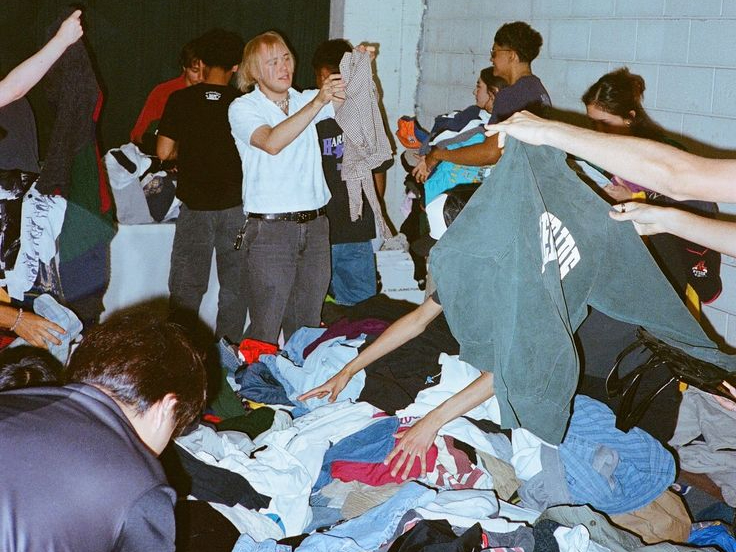
In a similar vein, clothing swaps offer a way to cut down on fashion waste by trading preloved pieces with friends or within the community. Invite a few friends over for an evening of swapping some of their favorite fashion finds that may no longer suit them to give their beloved skirts, tops or pants a new home for free. Community organizations host similar events like The Really, Really Free Market Orlando, the UCF Arboretum, The Sustainable Sisters of Flordia and more.
Renting clothing
I am one of those people who feels inclined to get a new outfit for every occasion. My wallet does not love it and neither does the Earth, but in an effort to cut down on my overconsumption habits, I have come across apps like Pickle, Nuuly and Rent the Runway, where I can rent my perfect look from fellow users without buying something brand new.
Gardening
Another classic green-thumb hobby. Planting flowers, greens and vegetables is not only something fun to do, but is good for the environment. Adding homegrown flowers into vases around your space and throwing in vegetables from your garden into your meals brings in a more personal touch to your day-to-day.
Eating and shopping local
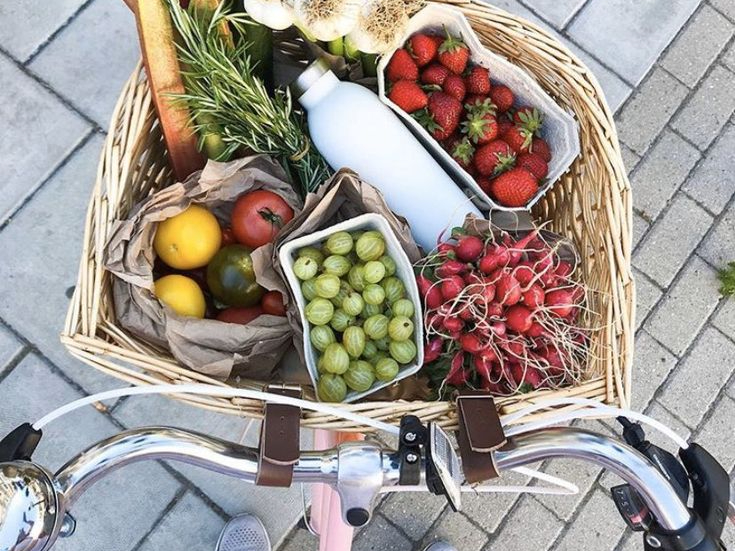
Farmers’ markets are arguably one of the best weekend activities, and they offer the chance to give back to local businesses. Buying fruits, vegetables and other foods locally cuts down on carbon emissions from transportation while supporting local community groups and eating fresh.
Reusable grocery bags
Instead of using the grocery store’s free thin plastic bags that usually break anyway or need to be double-bagged, grab a tote or buy a reusable bag to use time and time again.
Shower bars
Shampoo, conditioner and body wash bars are a game-changer to not only getting a bit more time out of your product, but for reducing plastic use and chemicals put on hair and body. For those who have a hard time transitioning from liquid soaps, look for brands with refill policies to reduce plastic waste.
Reusable cotton pads
Instead of using a cotton round at the end of every day to take off makeup, turn to a reusable cotton pad that can be washed after every use and will be ready for the next day.
Jars
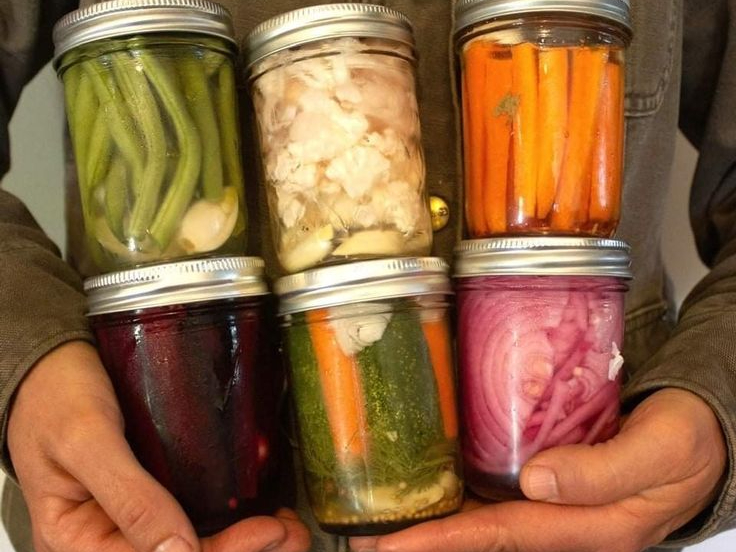
After using tomato sauce or jam, use the jars for storage for just about anything, like cups for drinks, meal prepping and flower vases. The options are endless.
Reusable paper towels
Paper towels are not only expensive, but they also create a lot of waste. Reusable paper towels, made mostly from cotton, come in packs of around 12, fit on standard paper towel holders and can be thrown into the wash with laundry.
Old t-shirts are also a great alternative to buying paper towels, as they can be cut up and used for rags to clean up spills.
Refill must-have products
Look out for refill grocery stores where customers can bring their own jar to refill their stocks of dry goods like granola or nuts. Also, beauty stores like Sephora or Ulta offer refills on select makeup, skincare and haircare products to cut down waste on packaging.
Eat leftovers
Keep the deliciousness going by packing up leftover meals into Tupperware instead of throwing out perfectly good food. Not only is it wasting food, but its also wasting money. Besides, food is usually better the next day anyway.
Also, look into repurposing leftovers so food doesn’t get boring. For example: leftover pasta sauce for pizza, leftover white rice for fried rice, leftover chicken for a sandwich.
Hack: Bring your own reusable Tupperware to restaurants to take your leftovers in instead of using the single-use boxes they provide.
Too Good To Go
In an effort to reduce food waste, grocery stores, restaurants and bakeries have joined Too Good To Go, an app and initiative where members can purchase food that is spending its last days on the shelves for a discounted price.
Wash your laundry on cold
The majority of the energy used for a load of laundry is for heating up the water, so taking that out of the equation, you are lowering your carbon footprint.
Hang your laundry
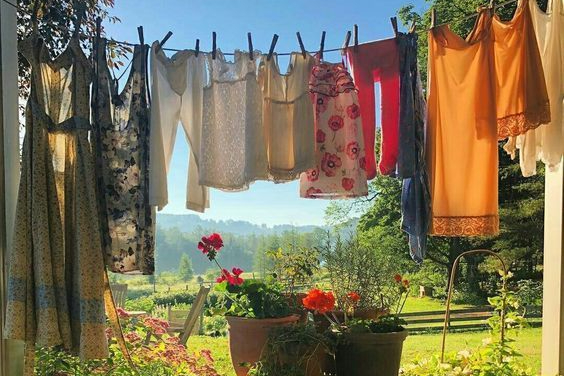
It sounds simple, but hanging your laundry not only cuts down on energy consumption and saves money on the electricity bill, but it also makes clothes last longer by avoiding heat damage.
Buy in bulk
Often cheaper than buying individual items, buying in bulk cuts down on packaging waste and transportation emissions.
Reusable coffee cup
Buying coffee every day has become widely known as a big expense that never fails to add up. To still get your morning boost and cut down on plastic use, turn to a reusable coffee cup for your brews made from home or to bring on your daily coffee run to your favorite cafe.
Reusable water bottle
Along the same lines, use a stainless steel water bottle instead of a single-use plastic one. Not only are the stainless steel bottles better for the environment by being able to reuse them, but they also insulate your drink to keep it cool even on the hottest of days.
Get a library card
Being able to borrow a book for free from the library that has been on your “To Be Read” list for ages allows you to have the tangibility we miss with e-books and audiobooks while saving money and extending the book’s lifespan instead of buying it, reading it once and leaving it on your shelf to collect dust. As well, borrowing a book from the library reduces the manufacturing of new products.
Reuse the paper from online packages or paper bags
Instead of throwing away the paper from online packages or paper bags, use them for sweet little DIY projects, like painting or drawing on them to use as wrapping paper or decorations for the holidays or birthdays.
(For the girls) Diva cups or menstrual discs
Pads and tampons are the go-to options for women on their time of the month, but the disposable nature of these tools creates more waste. Diva cups or menstrual discs function similarly to tampons and can be washed after every use to be used daily during periods.
Commute better
Walk, bike, take public transport, carpool when possible. While this is easier said than done in the U.S., any bit helps.





Comments