


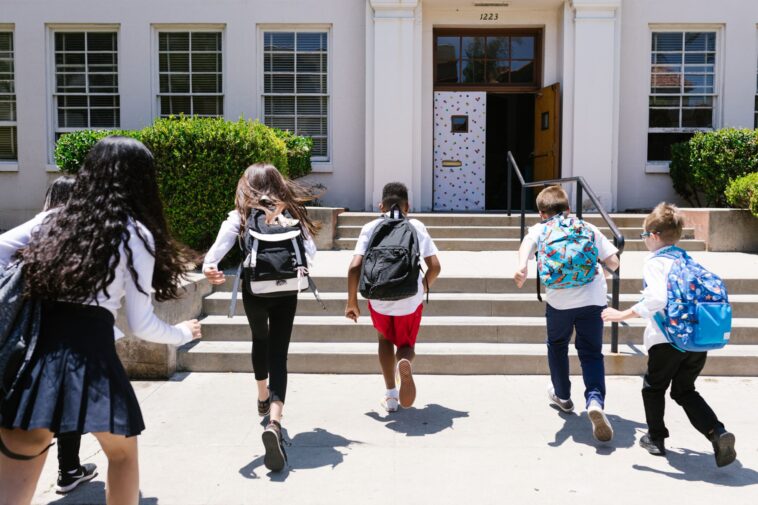
As summer winds down, preparing for a new school year involves much more than buying notebooks and backpacks. From completing registration forms to scheduling doctor’s appointments, there are several important tasks that can help ensure your child has a successful start to the school year.
Use this checklist to stay organized and avoid the last-minute rush.
1. Complete School Registration
If your child is entering school for the first time, changing schools, or moving to a new district, registration should be one of your first priorities.
Many school districts require parents to:
- Register online before the first day
- Verify proof of residency
- Submit a birth certificate
- Provide immunization records
- Share emergency contact information
- Upload custody or guardianship documents if applicable
Even returning students often need to update annual registration information, emergency contacts, and household information.
2. Review School Supply Lists
Most schools publish grade-specific supply lists during the summer.
Before shopping:
- Check your school’s website or parent portal.
- Wait until your child’s teacher releases any additional classroom requests.
- Label supplies with your child’s name when requested.
- Take advantage of back-to-school sales and tax holidays if available in your state.
3. Schedule Required Health Appointments
Many schools require updated health records before students can attend.
Consider scheduling:
- Annual physicals
- Required vaccinations
- Vision exams
- Dental checkups
- Hearing screenings if recommended by your pediatrician
If your child has asthma, diabetes, severe allergies, epilepsy, or another medical condition, make sure the school has updated medical forms and any necessary medications before classes begin.
4. Update Emergency Contacts
Double-check that the school has:
- Current phone numbers
- Email addresses
- Emergency contacts
- Authorized pickup individuals
If grandparents, babysitters, or family friends may pick up your child, verify they are listed with the school.
5. Review Transportation Plans
Whether your child rides the bus, walks, bikes, carpools, or is driven to school, finalize transportation before the first day.
Parents should:
- Confirm bus routes and pickup times.
- Practice the walking or biking route.
- Review drop-off and pickup procedures.
- Plan for after-school transportation if schedules change.
6. Download School Apps and Parent Portals
Many schools now use online platforms for communication.
Create or update accounts for:
- Parent portals
- Attendance systems
- Grade tracking
- Lunch payments
- Classroom communication apps
- District emergency alerts
Enable notifications so you don’t miss important announcements.
7. Complete Required School Forms
Schools often send digital forms that must be completed before classes begin.
These may include:
- Media release permissions
- Technology agreements
- Student handbook acknowledgments
- Field trip permissions
- Internet usage policies
- Health forms
Completing these early can save time during the first week of school.
8. Learn the School Calendar
Mark important dates on your calendar, including:
- First day of school
- Teacher workdays
- Holidays
- Early release days
- Parent-teacher conferences
- Testing dates
- School breaks
Knowing the calendar ahead of time makes it easier to plan appointments and vacations.
9. Apply for Free or Reduced-Price Meals (If Eligible)
Families who qualify should complete meal applications as early as possible.
Even if your child’s school offers free meals, completing the application may help schools receive additional funding and may qualify families for other benefits depending on district policies.
10. Set Up Lunch Accounts
If your school uses prepaid meal accounts:
- Add money before school starts.
- Set up automatic payments if available.
- Review allergy information with cafeteria staff if needed.
11. Meet the Teacher
Many schools host:
- Open houses
- Orientation nights
- Meet-the-teacher events
These events help students become familiar with:
- Their classroom
- Teachers
- School layout
- Daily routines
It’s also a great opportunity for parents to ask questions.
12. Practice School Routines
A week or two before school begins:
- Move bedtime earlier.
- Wake children at school-day hours.
- Practice getting dressed and eating breakfast on schedule.
- Time the morning routine to identify potential delays.
Starting gradually makes the transition much easier.
13. Create a Homework Space
Designate a quiet area with:
- Good lighting
- School supplies
- Internet access if needed
- Limited distractions
A consistent workspace helps students develop productive study habits.
14. Discuss Safety
Make sure students have their parents’ phone numbers memorized. Review:
- Bus safety
- Crossing streets safely
- Stranger awareness
- Emergency contacts
- Digital safety
- What to do if they feel sick at school
Older students should also know how to contact parents if plans change.
15. Organize Important Documents
Keep copies of:
- Immunization records
- Birth certificates
- Insurance cards
- Medical forms
- School schedules
- Teacher contact information
Having everything in one folder can save time throughout the school year.
16. Prepare School Clothes
Before the first day:
- Try on last year’s clothes.
- Replace shoes that no longer fit.
- Check dress code requirements.
- Wash and organize outfits.
Having clothes ready ahead of time makes mornings less stressful.
17. Talk About the New School Year
Children often experience excitement mixed with anxiety.
Ask questions like:
- What are you excited about?
- Is anything making you nervous?
- What goals do you have this year?
Open conversations can help ease first-day jitters.
Final Back-to-School Checklist
- Complete school registration
- Update emergency contacts
- Submit required health records
- Schedule doctor and dental appointments
- Purchase school supplies
- Review dress code
- Set up transportation
- Attend orientation or Meet the Teacher
- Download school apps
- Complete online forms
- Apply for meal benefits if eligible
- Add funds to lunch accounts
- Learn the school calendar
- Practice school routines
- Prepare backpacks and clothes
- Label belongings
- Organize important documents
- Have a positive conversation about the upcoming school year
Getting organized before the first day of school can reduce stress for both parents and students. By completing paperwork early, establishing routines, and preparing your child both physically and emotionally, you’ll help set the stage for a confident and successful school year.





Comments