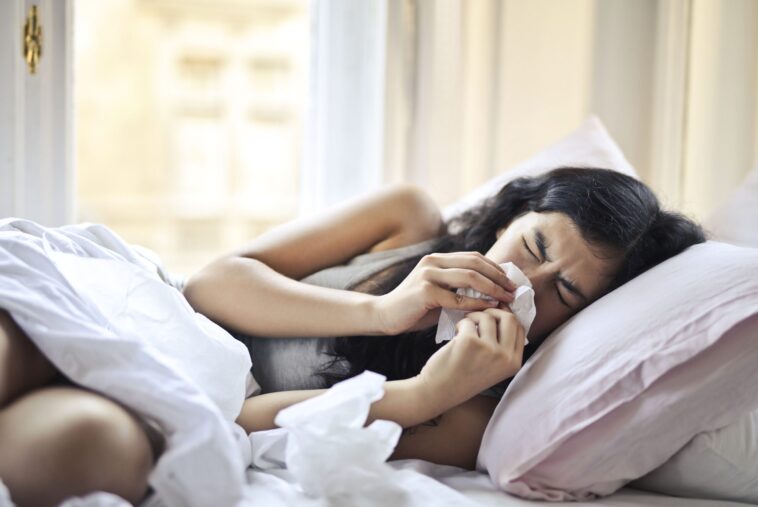
It may still be 90 degrees out, but flu season is already on the calendar. Here’s what Central Floridians should know before the coughs, fevers, and sick days start piling up.
Since Florida doesn’t really have an obvious transition into fall, it can be hard to tell when flu season has arrived. We can be sweating through a theme park visit one day and dealing with a sick kid at home from school the next.
Florida’s flu season typically runs from October through May, according to the Florida Department of Health. That makes September a good time to think about prevention because a little preparation is considerably easier than scrambling after illness has already reached your household.
Also, flu isn’t the only respiratory virus to have on your radar. Florida’s RSV season is longer than in much of the country, and the state’s Central region typically sees RSV activity from August through March.
So, before the tissues disappear from store shelves, here’s what is actually worth knowing.
Flu Season Doesn’t Mean Everyone Is Going to Get the Flu
It can sometimes feel like the entire family gets sick as soon as school starts, but there’s a difference between flu season and simply “cold season.”
Influenza is a specific respiratory infection caused by influenza viruses. Colds, COVID-19, RSV, and other respiratory illnesses can cause some of the same symptoms, but they’re different infections.
That’s important because you can’t reliably determine which virus you have simply by looking at your symptoms.
Flu often comes on suddenly. Common symptoms include fever or feeling feverish, chills, cough, sore throat, body aches, headaches, and fatigue. Some people with the flu won’t have a fever.
But unlike the occasional annoying cold, influenza can sometimes lead to serious complications, including pneumonia.
September is a Good Time to Get the Flu Shot
Here’s the part people tend to overcomplicate. The CDC recommends annual flu vaccination for most people 6 months and older who don’t have a medical reason not to receive it.
For many adults, September or October is a convenient time to get vaccinated. The CDC generally recommends getting vaccinated by the end of October, although getting vaccinated later can still provide protection during the flu season.
Rather than waiting until everyone around you is sick, September is a reasonable time to ask your doctor or pharmacist whether you’re due for this year’s vaccine.
And if you have young children, older adults in your household, or someone with certain chronic health conditions, it’s especially worth having that conversation.
How Do You Know If It’s the Flu?
Unfortunately, there’s no foolproof “flu feeling” that can diagnose you from your couch. The flu commonly causes:
- Fever or feeling feverish
- Chills
- Cough
- Sore throat
- Body aches
- Headache
- Fatigue
- Runny or stuffy nose
The symptoms can overlap with COVID-19, RSV, and other respiratory infections. That’s why you shouldn’t assume that a cough automatically means you’ve got the flu or that you’re fine simply because you don’t have a fever.
Prescription antiviral medications tend to work best when started early, particularly within the first two days after symptoms begin. So, if you’re particularly sick, symptoms are getting worse, or you’re at increased risk for complications, contact a health care provider.
That doesn’t mean everyone needs medication, but if you’re someone who’s susceptible to immune complications, it’s worth knowing who you’ll call if you suddenly become sick. That includes:
- Adults 65 and older
- Young children
- Pregnant people
- People with certain chronic medical conditions
- People with weakened immune systems
That’s much better than Googling “flu symptoms” at 2 a.m. while simultaneously trying to find an urgent-care appointment.
This is where flu prevention gets much less glamorous but much more practical. If someone in your house is sick, try to stay home when possible, wash your hands, cover coughs and sneezes, improve indoor air when you can, and don’t share drinks.
And if you’re sick, give yourself permission to truly recover.
So, while the rest of the country may be pulling out sweaters and pumpkin candles, Central Floridians can start their own fall tradition of checking the vaccine schedule, stocking the tissues, knowing the symptoms, and having a plan before someone gets sick.