


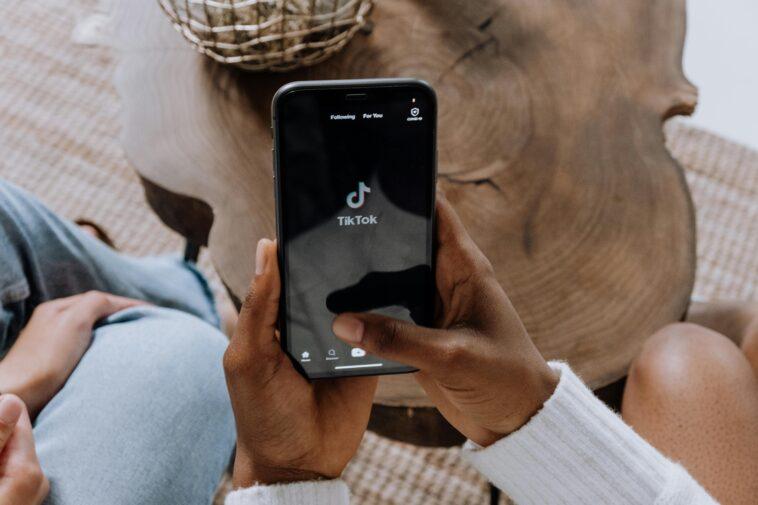
On Friday, the Supreme Court unanimously upheld a federal law banning TikTok in the United States starting Sunday unless its China-based parent company, ByteDance, sold the app. The decision was based on national security concerns, with justices citing the risk of sensitive user data being accessed by the Chinese government. The ruling comes despite worries about free speech implications for TikTok’s 170 million U.S. users.
TikTok Ban Takes Effect Amid Uncertainty
The law, effective January 19, bars new downloads of TikTok and prohibits updates for existing users, eventually rendering the app unusable. While the app will remain functional on current users’ devices for now, experts warn that without updates, it will quickly become obsolete.
Solicitor General Elizabeth Prelogar defended the law, stating that Congress deemed ByteDance’s divestiture necessary to address the security risks posed by its data collection practices. However, a sale does not appear imminent. ByteDance has resisted selling TikTok, and Chinese law complicates the sale of the proprietary algorithm that underpins its popularity.
Political Crossfire and Economic Impacts
The decision adds a layer of complexity to the political climate. President-elect Donald Trump, who will be sworn in on Monday, has indicated he could broker a solution. However, he faces resistance from prominent Senate Republicans who have criticized ByteDance for failing to secure a sale. Trump, who has 14.7 million TikTok followers, discussed the issue in a conversation with Chinese President Xi Jinping on Friday.
The Biden administration, which supported the law in court, has signaled it will not enforce the ban starting Sunday, creating uncertainty about how the law will be implemented under Trump’s incoming presidency.
Concerns for Content Creators and Digital Rights
The ban could have significant repercussions for content creators who rely on TikTok as a primary source of income. Many influencers and small businesses use the platform to reach audiences and generate revenue. The loss of new users and app functionality could drastically reduce their ability to monetize content.
Digital rights groups have expressed dissatisfaction with the ruling, arguing that it sets a dangerous precedent for government overreach in regulating online platforms. Critics also point out the lack of evidence that TikTok has been used to manipulate U.S. content or share user data with the Chinese government.
Broader Geopolitical Implications
The TikTok saga reflects broader tensions between the U.S. and China over technology and data privacy. U.S. officials have warned that TikTok’s algorithm could be manipulated by Chinese authorities to influence content. However, TikTok has denied these claims, stating that no evidence has been presented to substantiate them.
Bipartisan majorities in Congress passed the legislation signed into law in April, marking the culmination of years of debate over TikTok’s national security risks. A three-judge panel upheld the law in December, prompting TikTok to appeal to the Supreme Court.
Future Prospects
If ByteDance fails to sell TikTok to an approved buyer, app stores like Apple and Google will be barred from offering it, and internet hosting services will be prohibited from supporting it. Some investors, including former Treasury Secretary Steven Mnuchin and billionaire Frank McCourt, have expressed interest in acquiring TikTok’s U.S. assets. McCourt’s consortium has submitted a proposal, but financial details remain undisclosed.
As the ban looms, the future of TikTok in the U.S. remains uncertain, with creators, users, and digital rights advocates closely watching how the decision unfolds.





Comments