


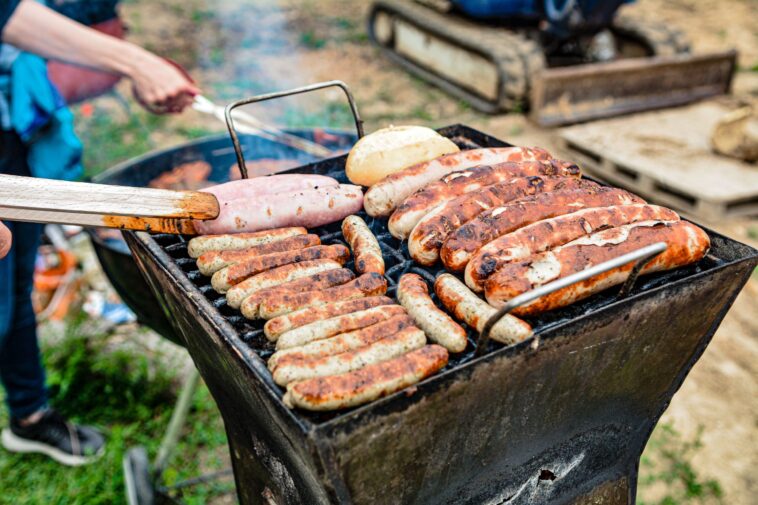
Summer is officially here and you know what that means – it’s time to get the grill going, gather in the backyard and get those smoky flavors in. Grilling is the centerpiece of the season, whether you’re hosting a huge neighborhood block party or just making a quiet weeknight meal for the family.
Let’s be honest here: some days, cooking in your own backyard is a game of high-stakes guesswork. We’ve all been there, slicing into a gorgeous steak to find it overcooked, or pulling chicken off the grates a little too early because it looked charred on the outside.
You don’t need a culinary degree to get that picture perfect restaurant quality bark and keep the inside super juicy. You need just a few timeless techniques, a bit of backyard patience and the right gear in your toolkit.
The Flame: Direct Heat vs. Indirect Heat
The key to going from a casual backyard cook to a true grill master is in how you control your heat zones. The thickness or thinness of the food makes it react differently to flames.
- Direct Heat (High & Fast) – This means you are placing your food directly over the open flames or hot charcoal. This is great for thin cuts of meat like burgers, hot dogs, skirt steaks and asparagus. In a few minutes you’ll have that beautiful sear and those classic char marks.
- Indirect Heat (Low & Slow) Move coals to one side or turn off burners directly below food. The heat moves around the meat like an oven does. This is for thick cuts like whole chickens, racks of ribs, or pork shoulders.
When you create a two zone setup on your grill, you have ultimate control. If a thick steak begins to flare up on the direct side, you can just slide it over to the safe, indirect zone to finish cooking through without burning the exterior.
The Secret Weapon: Accurate Temperature
Want to take the anxiety out of your summer cooking? Stop relying on time or the “poke test.” Depends on temperature.
If you want to get mouth-watering results every single time, you need the best wireless meat thermometer in your arsenal. A wireless probe twists the game back. Rather than regularly lifting the grill lid and letting out all your precious heat and smoke, you can keep an eye on the internal temperature of your meat from your phone, while chilling with a cold drink.
And this is why you need a good wireless thermometer for your summer setup:
- Unmatched Accuracy: It tracks temperature changes in real time, to the tenth of a degree, so you know exactly when your meat is at its juiciest.
- Dual Sensing Technology: Good wireless options track the internal temperature of the meat and the ambient temperature of your grill simultaneously.
- Freedom to Mingle: Since it connects via Bluetooth or Wi-Fi, you don’t have to stand chained to the hot grates all afternoon. You can really have fun with your guests.
Best Recipes for Your Next Cookout
Are you ready to get these concepts in action? Two quintessential summer recipes designed to showcase your skills and deliver maximum flavor.
The Ultimate Reverse Seared Ribeye
Thick, premium steaks are best cooked using the reverse sear method. It produces an even, pink inside edge to edge with a crispy, caramelized crust.
- Preparation: Rub a thick-cut ribeye liberally with coarsely ground sea salt and black pepper. Put your wireless thermometer probe into the thickest part of the meat.
- The Slow Cook: Place the steak on the indirect heat side of your grill at a low temperature (around 225 degrees to 250 degrees Fahrenheit). Shut the lid.
- The Target: Let the steak rise gently until your thermometer tells you the internal temperature is 115°F for medium-rare.
- Sear: Take the steak off and turn the direct-heat side of your grill to high. Sear the steak for about 1 minute per side until a deep brown crust forms. Rest for 5 minutes before slicing.
Juicy Backyard Chicken with Lemon and Herbs
Chicken breasts and thighs can dry out fast, but a simple technique keeps them surprisingly tender.
- The Marinade: Whisk together olive oil, fresh lemon juice, minced garlic, rosemary & a touch of honey. Marinate chicken for a minimum of 2 hours.
- Grill Setup: Begin the chicken skin side down over medium direct heat until some color develops, then move to the indirect side to finish.
- The Finish Line: Cook until your thermometer registers a safe 165°F. Remove right away and let rest to seal in the juices.
Basic maintenance for great taste
“Great food starts with a clean surface. Give yourself five minutes to get your cooking station ready before putting your food down.
- Scrub the Grates Fire up your grill and use a good quality grill brush to scrape off what’s left over from your last grill session. Clean grates prevent sticking and bitter, burned flavors.
- Oil the Surface: Fold up a paper towel and dip it in a high-smoke-point oil (such as canola or grapeseed). Use tongs to rub the oil over the hot grates. This provides an inherent non-stick barrier.
- Cover It Up: Once you’re finished using the grill and it’s totally cool, safeguard your investment by using a weather-resistant cover. This will help to prevent rust and wear.
With a good understanding of heat zones, a clean grill and the best wireless meat thermometer to keep tabs on your progress, you’re ready to rule the backyard this year. Happy grilling!


Comments