


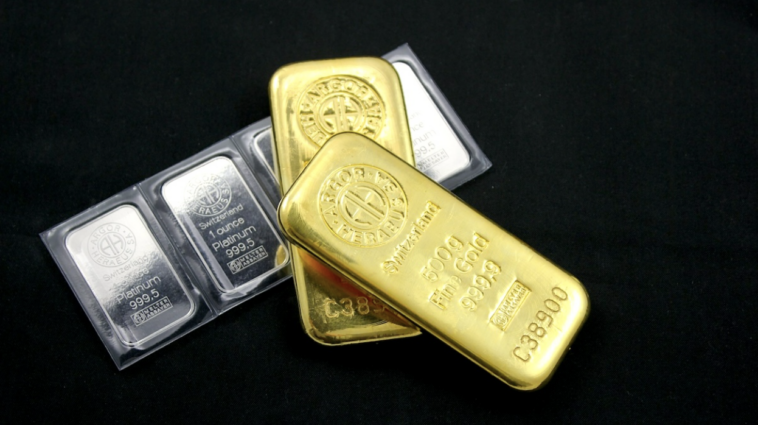
Selling gold and silver in South Florida comes with its own set of considerations. The region has a steady demand for precious metals thanks to its mix of seasonal residents, tourism, and a long-standing interest in fine jewelry and luxury items. People often look to sell inherited pieces, outdated designs, or simply convert assets during market shifts. Finding a reputable buyer matters because prices can vary and not every shop operates with the same standards.
South Florida’s market includes established jewelry stores, pawn shops, and specialized precious metal dealers stretching from Miami-Dade through Broward and into Palm Beach County. Competition among these businesses can work in a seller’s favor, but it also means extra care is needed to separate reliable operators from those focused mainly on quick transactions.
Start by checking on basic credentials. Look for a silver and gold buyer who is properly licensed and insured. Many reputable dealers display membership in trade groups or follow recognized industry practices for assaying metals. A quick online search of the business name plus “complaints” or “reviews” often turns up useful information from past customers. Local Better Business Bureau listings and recent Google reviews can highlight patterns, whether positive experiences with transparent weighing and testing or repeated issues with lowball offers.
Always try to get more than one quote. Gold and silver values fluctuate daily based on spot prices, and different buyers may apply different margins. Some shops base offers primarily on melt value, while others factor in design, brand, or gemstones if the piece has collectible appeal. Bring the items clean and free of obvious damage when possible, and ask the buyer to explain how they arrive at their number. Reputable dealers typically test the metal on site using methods such as acid testing or electronic analyzers and should be willing to show the process.
Be cautious with high-pressure tactics. A solid buyer will give you time to consider the offer rather than push for an immediate decision. Understand the difference between scrap value and any potential premium for intact jewelry. In South Florida’s luxury market, certain high-end pieces or vintage designs sometimes fetch more than pure metal weight alone, especially if the buyer has a retail clientele.
Documentation is another practical point. Most legitimate operations require valid identification for transactions above certain amounts, in line with state and federal guidelines aimed at tracking precious metal sales. Keep records of what you sell, including descriptions, weights if provided, and the amount received. This helps with personal tracking and any tax-related questions that might arise later.
Location can influence the experience. Shops in busy areas like downtown Miami, Fort Lauderdale, or in Palm Beach often handle higher volumes and may offer competitive rates. Neighborhood or family-run businesses sometimes provide more personalized service. Drive-by impressions and the overall condition of the store can also give clues about how the business is run.
Market timing plays a role too. When gold or silver prices sit higher, more sellers enter the market, and some buyers adjust their offers accordingly. Checking current spot prices from reliable financial sources before visiting shops provides a useful benchmark, though remember that retail buyers almost always work below those figures to cover costs and risk.
Finally, consider the full picture of the transaction. Ask about payment methods—cash, check, or wire—and any fees that might apply. Reputable buyers tend to keep the process straightforward. If something feels unclear or the numbers seem unusually low compared to other quotes, it is reasonable to walk away and try elsewhere.
Taking these steps helps reduce the chance of an unsatisfactory experience. South Florida has plenty of options for selling gold and silver, and a bit of preparation usually leads to a fairer outcome.


Comments