


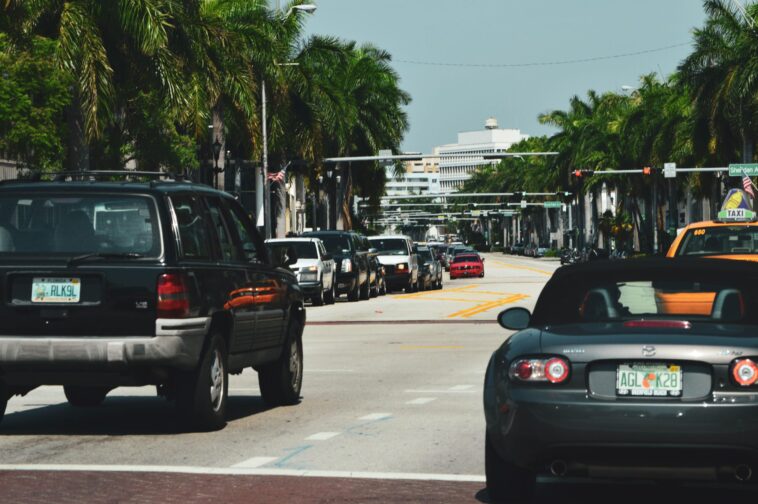
Florida’s Gulf Coast vacation routes carry an enormous volume of traffic from December through April. The Tampa-to-Naples corridor, anchored by Interstate 75 and supplemented by the regional highways that feed into the beach communities of Lee, Charlotte, and Collier counties, sees one of the most pronounced seasonal traffic spikes in the country. Snowbirds, families on spring break, business travelers attending conferences at the resort properties, and the year-round residents who keep the region operating all share the same roads.
The Specific Corridors That Produce Serious Crashes
Several Gulf Coast routes deserve particular attention.
Interstate 75 from Tampa through Fort Myers to Naples. The most heavily traveled corridor on Florida’s west coast, I-75 carries a mix of commercial truck traffic, snowbird traffic, vacation travelers, and local commuters. The stretch between Punta Gorda and Naples passes through Lee County’s busiest traffic generators, including the airport, the Edison and Ford Winter Estates, and the access points for Sanibel and Captiva. Construction projects expanding capacity have created ongoing lane shifts and reduced shoulders that contribute to crash patterns.
State Road 82 between Fort Myers and LaBelle. This rural corridor connects Lee County to the agricultural communities of Hendry County and serves as a key truck route for citrus and produce. The combination of slow-moving farm vehicles, fast-moving truck traffic, and limited visibility in some sections produces a recurring pattern of serious crashes, particularly during nighttime and early morning hours.
U.S. 41 (Tamiami Trail) through Fort Myers and Naples. The original north-south coastal highway remains heavily traveled by tourists and local residents. Signal-controlled intersections with high pedestrian activity, particularly near beach access points and shopping centers, produce a steady volume of crashes.
State Road 80 from Fort Myers to LaBelle and beyond. Connecting Fort Myers to the inland communities of Hendry and Glades counties, SR-80 carries a mix of commuter and commercial traffic across long, rural stretches with limited emergency response infrastructure.
Sanibel Causeway and the access routes to barrier islands. The combination of bridge traffic, recreational drivers unfamiliar with the area, and the unique challenges of post-hurricane recovery work has made the routes to and from Sanibel and Captiva particularly hazardous in recent years.
Information about Florida road safety and crash data is available through the Florida Department of Highway Safety and Motor Vehicles.
Why Seasonal Traffic Creates Specific Risks
Several specific factors combine to make Gulf Coast crashes more severe and more frequent during the peak season.
Driver unfamiliarity. Out-of-state and out-of-region drivers struggle with Florida’s specific roadway features, including frequent rotaries (called traffic circles in Florida), the prevalence of left-turn lanes, and the absence of clear lane markings in some areas. Hesitation and abrupt maneuvers contribute to crashes.
Mixed driver populations. The Gulf Coast carries dramatically different driver populations on the same roads. Snowbirds in their seventies and eighties share lanes with college students on spring break and with commercial truck drivers under time pressure. The speed and reaction time differences produce predictable conflict patterns.
Weather variability. Gulf Coast weather can shift quickly, particularly during winter months when cold fronts produce sudden rain bands. Hydroplaning crashes on I-75 during winter storms are a recurring pattern.
Wildlife crossings. Florida panthers, deer, and alligators all appear on Gulf Coast roads, particularly in the rural stretches between developed areas. Strikes involving wildlife produce serious crashes.
Construction zones. Florida’s ongoing infrastructure investment means that significant portions of Gulf Coast highways are under active construction at any given time. Lane shifts, reduced shoulders, and altered traffic patterns all increase crash risk.
Coverage from outlets including the Tampa Bay Times has documented seasonal crash patterns and the broader policy debates over highway safety investment in southwest Florida.
Florida Tort Reform and Gulf Coast Cases
For Gulf Coast crash cases, the 2023 Florida HB 837 tort reform statute applies fully. The major changes affecting crash victims include a reduction of the personal injury statute of limitations from four years to two years, a shift from pure to modified comparative negligence with a 50 percent bar, and new evidence rules for medical billing.
The two-year deadline is particularly important for snowbirds and other seasonal residents who may not be in Florida year-round. A driver injured in February and returning home to Michigan or Ohio in April sometimes finds the Florida deadline running out before they have fully addressed their injuries. Engaging Florida counsel early, even before returning home, often makes the difference.
For an experienced perspective on these matters, a truck accident lawyer in Fort Myers at Viles & Beckman handles motor vehicle accidents, including commercial truck and 18-wheeler cases, across Lee, Collier, and Charlotte counties. The firm has worked with both local residents and seasonal visitors injured in Gulf Coast crashes for more than 30 years.
What Drivers and Visitors Should Do
Several practical steps make a meaningful difference for Gulf Coast crash victims.
Get prompt medical evaluation, locally if possible. Returning to a northern home state with undiagnosed injuries is both medically risky and legally costly. Local emergency room records establish the connection between the accident and the injuries.
Document the scene thoroughly. Photographs of vehicles, road conditions, weather, and any contributing factors matter. Witnesses should be identified before they leave the area.
Be cautious with insurance carriers. Statements made before injuries are understood can be used against the injured party later.
Understand the two-year deadline. Florida’s statute of limitations is short, and snowbirds who delay action sometimes find the window closed.
Engage Florida counsel early. The combination of Florida-specific procedures, the post-HB 837 landscape, and the practical difficulty of investigating a Florida crash from out of state all argue for prompt local engagement.
For Gulf Coast residents and visitors who find themselves injured during the busy season, the legal framework provides meaningful tools when used properly. Acting quickly is the foundation of any successful claim.


Comments