


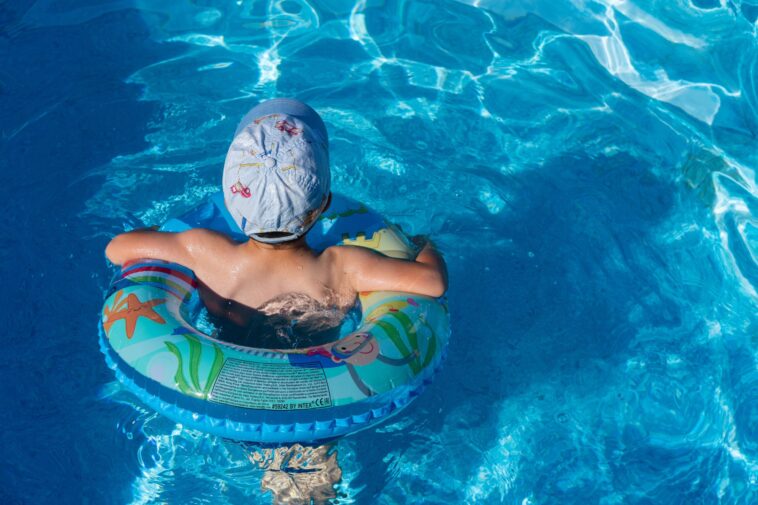
Florida summers are a defining feature of life across the state. Families spend long weekends at beaches, pools, and waterways. Vacationers fly in from across the country and the world. Boating, jet ski rentals, and pool parties pack the calendar from Memorial Day through Labor Day. For Central Florida residents in particular, the season’s outdoor recreation is part of what makes the region a year-round destination. It is also when serious personal injury incidents spike. The combination of crowds, water, heat, and unfamiliar visitors creates a predictable pattern of accidents that affects thousands of Florida families each year.
The Most Common Summer Injury Risks Across Florida
Several injury patterns recur every summer across Florida communities, from Orlando’s residential pool neighborhoods to the Atlantic and Gulf coast beaches.
Drowning and near-drowning incidents. Florida leads the nation in unintentional drowning deaths for children ages 1 to 4 nearly every year. The state’s combination of warm weather, residential pool ownership, and proximity to natural water bodies creates risk that simply does not exist in colder climates. According to the Centers for Disease Control and Prevention, drowning is among the leading causes of unintentional injury death for young children nationally, and Florida’s per-capita numbers consistently exceed the national average.
Slip-and-fall incidents around pool decks and waterfront properties. Wet pool surfaces, algae on dock surfaces, and improperly maintained tile and concrete all produce serious injuries. Properties have a duty of reasonable care, and the patterns of fault often involve inadequate non-slip surface treatment, missing safety equipment, or poor lighting.
Boating accidents. Florida consistently leads the nation in registered recreational boats and in boating accidents. Collisions, propeller strikes, falls overboard, and intoxicated operation produce a steady volume of serious injuries each summer.
Jet ski and personal watercraft incidents. Rental operations, inexperienced operators, and crowded waterways combine to produce one of the most dangerous categories of summer recreation. Injuries range from soft tissue damage to severe trauma and drownings.
Heat-related injuries. Heat exhaustion, heat stroke, and dehydration produce both direct medical emergencies and indirect injury risks when affected individuals lose consciousness near water, on roads, or on construction sites.
Beach access vehicle and pedestrian incidents. Parking lots, beach access roads, and tourist-heavy intersections produce a recurring pattern of crashes during peak weeks.
How Florida Premises Liability Actually Works
For injury incidents at pools, hotels, restaurants, beach clubs, and other commercial properties, Florida premises liability law provides the foundation for legal recovery. Property owners owe invitees, including paying guests and members of the public, a duty of reasonable care to maintain safe conditions and to warn of hazards the owner knew or should have known about.
Several specific patterns shape Florida cases.
Children and the attractive nuisance doctrine. Pools, water features, and even decorative ponds can qualify as attractive nuisances when located in areas accessible to children. Property owners have heightened duties to fence, gate, and secure these features, particularly in residential communities and short-term rental properties.
Hotel and resort liability. Major hotels and resort properties typically carry substantial liability insurance and have well-developed incident response protocols. The legal challenge is often establishing that the property knew or should have known about the specific hazard, and that the response was inadequate.
Short-term rental liability. The growth of vacation rental platforms has produced an evolving legal landscape. Property owners, management companies, and rental platforms can all bear potential liability, though the specific allocation depends on the facts of each case.
Coverage from outlets including the Orlando Sentinel has documented seasonal trends in Central Florida injury incidents, including the recurring concentrations around major tourist destinations and the regulatory debates over pool safety standards.
The 2023 Florida Tort Reform Changes
Anyone considering a Florida personal injury claim today needs to understand the 2023 tort reform statute, HB 837, which transformed the state’s personal injury framework.
The statute of limitations for most negligence claims was cut from four years to two years. The change applies to injuries that occurred on or after the effective date of the statute. Florida is now one of the states with the shortest personal injury filing windows in the country.
Florida moved from pure to modified comparative negligence. Before the change, an injured person who was 90 percent at fault could still recover 10 percent of damages. Now, anyone found more than 50 percent at fault recovers nothing. Insurance carriers and defense attorneys use this rule aggressively.
The rules on attorney fees, bad faith actions against insurance carriers, and admissible evidence for medical expenses also changed. The overall effect is a system meaningfully less favorable to plaintiffs than the one that existed before 2023.
For an experienced perspective on these matters, Blakeley personal injury lawyers handle premises liability, motor vehicle accident, boating accident, and catastrophic injury cases across South Florida and the broader state.
What Florida Families Should Do
For Florida families enjoying the summer season, several practical steps reduce risk and protect legal options if something does go wrong.
Maintain active supervision around water. Drowning is fast and silent. Designated water watchers, swimming lessons, and proper pool safety equipment all matter. A “water watcher” should not be looking at a phone or in conversation.
Verify rental operator safety. Boat rentals, jet ski operations, and parasailing companies vary widely in their safety practices. Reputable operators provide thorough briefings, well-maintained equipment, and appropriate supervision.
Document incidents immediately if they occur. Photographs of conditions, witness contact information, and prompt medical evaluation all matter for any future claim. Florida’s two-year statute of limitations does not allow time to wait.
Be cautious with social media. Vacation photos and social media activity can be used by insurance carriers to argue that injuries are less serious than claimed. Discretion is appropriate while a claim is pending.
Summer in Florida is going to keep producing both joy and injuries. For families on the receiving end of the latter, knowing what the law provides, and acting quickly, is the foundation of any meaningful response.


Comments