


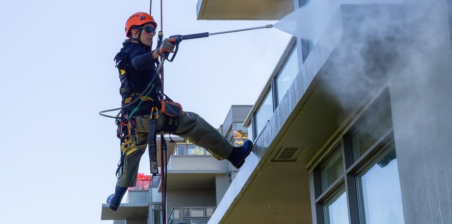
Introduction to Cape Coral’s Unique Cleaning Landscape
Cape Coral, FL, is no typical city when it comes to exterior care. The surface ages and gathers dirt differently with more than 400 miles of canals, tropical humidity, and salt-laden air. This is the reason why Cape Coral pressure washing is not an ordinary job but a science in its own right, locally.
Cape Coral properties have a constant mixture of moisture, algae, and mineral deposits as opposed to inland areas. Therefore, pressure washing may not be complex, but the surrounding environment requires more intelligent methods and sophisticated approaches.
Why Cape Coral Pressure Washing Requires Local Insight
Coastal Climate Impact on Surfaces
The subtropical climate of Cape Coral significantly affects the behavior of soil and contaminants. Surfaces do not get dirty; they create habitats of organic development.
Salt Air and Its Long-lasting Impact
Salt crystals rest on driveways, roofs, and walls. In the long run, this would result in:
- Surface corrosion
- Staining
- Faster material degradation
That’s why Cape Coral pressure washing must account for salt removal—not just visible dirt.
Unnoticed Urban Surfaces To Clean
Lanes and Side Streets
These often-overlooked areas trap moisture and debris. They can become hot spots for mold and bacteria without cleaning.
Pool Deck Perimeters
Sunscreen debris, algae, and calcium accumulation are deposited in pool regions, rendering them greasy and hazardous.
Boat Docks and Seawalls
There is another complicating factor in waterfront properties. Marine growth and tidal stains are not easily removed, as they require specialized methods beyond standard washing.
Timing Matters: When Locals Clean
Cape Coral Seasonal Patterns
A majority of the professionals do not work during the peak rainy months. Instead, they are interested in:
- Late winter
- Early spring
These periods allow surfaces to dry properly post-cleaning.
Early Morning vs Late Evening Jobs
Morning cleaning is preferred because:
- Temperatures are lower
- Chemicals don’t evaporate too quickly.
- Surfaces respond better
The Science Behind Stubborn Florida Grime
The difference between Mold and Mildew
Although both of them grow well in humid environments, they do not act similarly:
Type Appearance Risk Level
Mold Black/green patches High
Mildew White/gray powder Moderate
Algae Growth Patterns
Algae spreads rapidly on shaded surfaces. Without proper treatment, it returns within weeks—even after pressure washing.
Water Pressure vs Water Volume: What Works Best
PSI Misconceptions
Higher PSI isn’t always better. In fact:
- Too much pressure damages surfaces
- It can strip paint and sealants
GPM Optimization
Gallons per minute (GPM) often matter more. A balanced system ensures:
- Efficient cleaning
- Minimal surface damage
Smart Surface Mapping Before Cleaning
Identifying Material Types
Different materials require different approaches:
- Concrete → High pressure
- Wood → Soft washing
- Vinyl → Moderate pressure
Risk Zones and Fragile Areas
Areas like window seals and painted trims need extra care to avoid costly damage.
Local Regulations and Environmental Considerations
Cape Coral, FL Runoff Rules
Mismanaged runoff will pollute waterways. Many local guidelines require:
- Controlled drainage
- Chemical restrictions
Eco-Friendly Detergents
The use of modern Cape Coral pressure washing depends on the use of biodegradable solutions, which protect the environment and the surfaces.
Tools That Professionals Actually Use
Surface Cleaners vs Wands
Surface cleaners provide:
- Even cleaning
- Faster results
- Less streaking
Commercial-Grade Equipment
Professionals invest in machines with:
- Adjustable PSI
- High GPM output
- Durable components
Common Mistakes Homeowners Make
Overwashing Concrete
Too much pressure can:
- Create etching
- Weaken the surface
Ignoring Sealing
After cleaning, sealing is crucial. Without it:
- Surfaces absorb moisture quickly.
- Dirt returns faster
Advanced Techniques Used by Experts
Soft Washing Systems
Soft washing involves low-pressure chemical treatment of vulnerable surfaces, such as roofs.
Multi-Step Cleaning Methods
The professionals tend to adhere to a sequence:
- Pre-treatment
- Pressure washing
- Post-treatment
This ensures longer-lasting results.
Cost Factors Specific to Cape Coral
Property Size and Layout
Bigger houses with intricate designs are time-consuming and resource-intensive.
Waterfront Challenges
Properties near canals often cost more due to:
- Extra cleaning requirements
- Specialized equipment
Home vs Professional Pressure Washing
When DIY Works
DIY is suitable for:
- Small patios
- Light cleaning tasks
When to Call Experts
Professional services are better for:
- Roof cleaning
- Large driveways
- Mold removal
Conclusion
Cape Coral is a unique environment where pressure washing is not only about spraying water but also a strategic approach and process influenced by climate, materials, and local conditions. Between the hidden surfaces and the high-tech cleaning, these subtleties can make a tremendous difference.
You must be a homeowner or a professional who knows how to master Cape Coral pressure washing, where you must think outside the box and embrace more sensible, practical methods.
FAQ’s
How often is pressure washing in Cape Coral?
One or twice a year is usually sufficient, depending upon exposure to moisture and shade.
Are pressure washing and all surfaces safe?
No, sensitive surfaces need soft washing.
Does pressure washing remove oil stains?
Yes, but it may need special detergents.
Does the weather affect the outcome of cleaning?
Absolutely. Best results are in dry, mild conditions.
Should pressure washing be sealed?
Yes, coating can assist in surface coverage and the level of cleanliness.
Do green cleaning products work?
Contemporary biodegradable detergents are very effective and safe.


Comments