The continental United States, including Florida, dodged a bullet last year. No hurricanes made landfall during the 2025 Atlantic Hurricane Season for the first time since 2015, according to the National Oceanic and Atmospheric Administration.
However, as the Sunshine State is currently in hurricane season, local organizations like Second Harvest Food Bank of Central Florida continue to prepare for potential incoming storms.
Second Harvest Food Bank of Central Florida is a nonprofit organization that fights hunger by storing and distributing food to a network of more than 800 feeding partners across several counties.
Greg Higgerson, chief development officer at Second Harvest Food Bank of Central Florida, has been part of the nonprofit’s mission for nearly three decades. Higgerson oversees public-facing and marketing communications teams, including fundraising and philanthropy efforts that give people a chance to support the mission.
Compared to when he started in 1996, Higgerson shared that Second Harvest Food Bank has evolved largely since then.
“We were distributing about 6 million pounds of food a year back then. Today, it’s closing in on more than 90 million pounds of food a year,” Higgerson said. “It averages about 300,000 meals a day for organizations that are serving the community, so it’s been a growing mission, and it continues to fill a lot of those gaps in food needs.”
Higgerson said the food bank encourages donors and the Central Florida community to prepare to the best of their ability. During which Second Harvest Food Bank prepares by gathering and moving large quantities of food through its network of partners into areas that are most affected.
Higgerson referred to low-lying and socioeconomically challenged areas of Central Florida that can be impacted the most during a hurricane.
“There’s a lot of collateral, structural damage that happens to people’s homes that they then have to figure out how to fix,” Higgerson said. “Places that, during non-storm times, we would consider to be food deserts, where they have fewer resources available to them, are the ones that we really look for and try to focus on.”
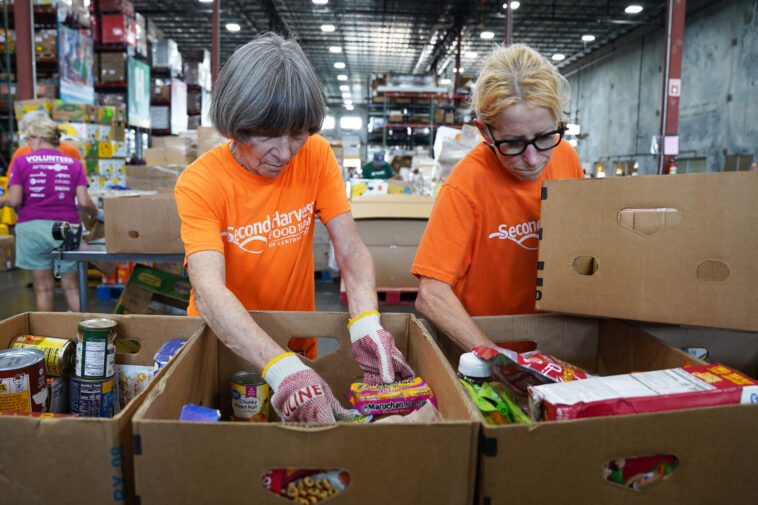
After a natural disaster, the organization conducts mobile drops, where its semi-tractor-trailers deliver food to its 800 partners, such as emergency food pantries and shelter programs.
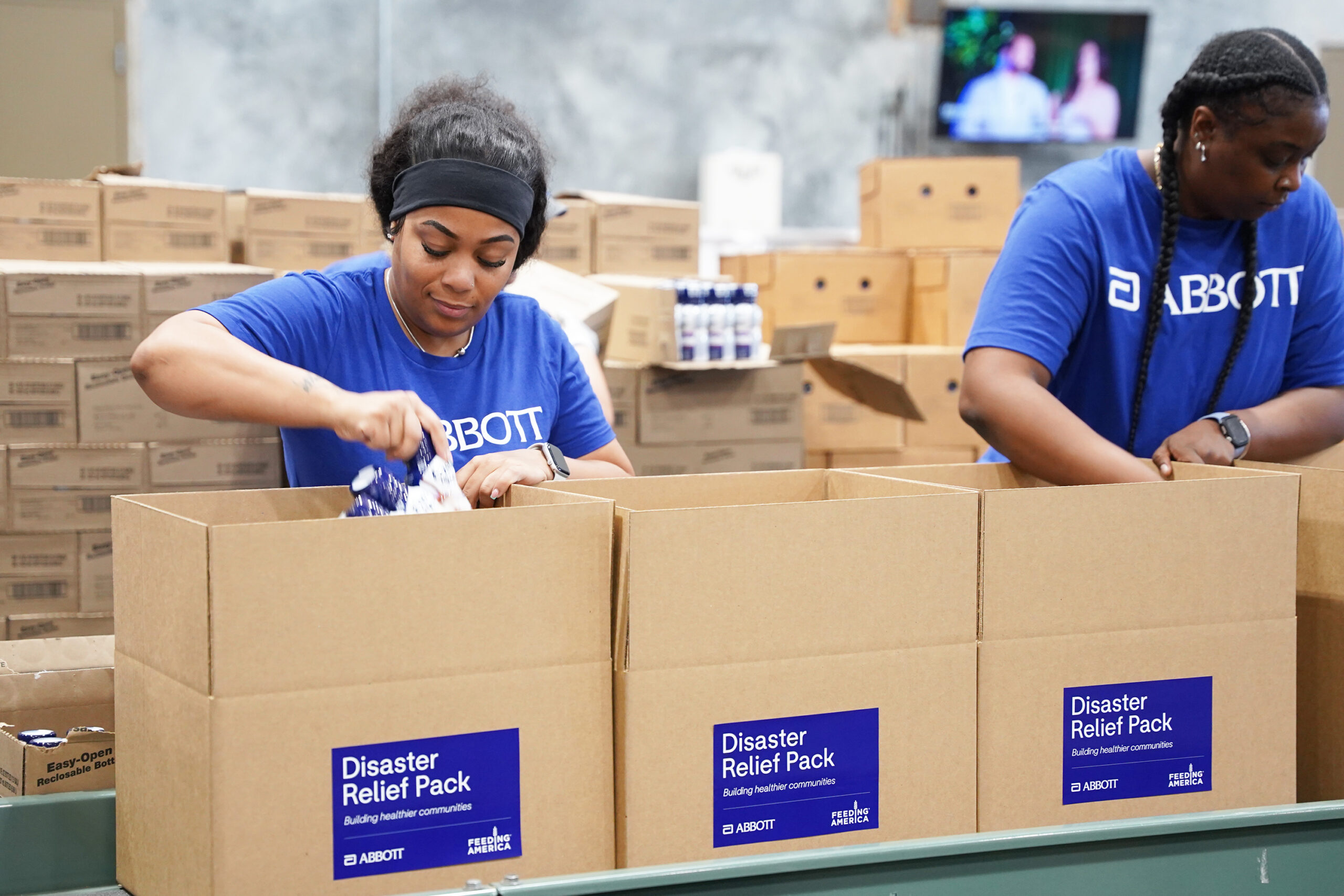
Higgerson said Second Harvest Food Bank also prepares and distributes emergency boxes, each containing shelf-stable staple items, including canned soups, stews, meat, rice, beans, stuffings, spaghetti, pasta, and sauces of various kinds.
“We also are a distribution point for what we call ‘Meals Ready to Eat’ or ‘MREs,’” Higgerson said. “Those are very popular in the first 48 to 72 hours after a disaster, when electricity is off and cooking is hard.”

Florida last experienced a natural disaster in October 2024 when Hurricane Milton ravaged Central Florida. Higgerson added that Second Harvest Food Bank provided long-term relief for close to three months.
According to data provided by Second Harvest Food Bank of Central Florida, the organization distributed 7.5 million meals, including 231,466 bottles of water, 36,022 nonperishable food boxes, 22,464 MREs, and 44 mobile drops.
“When we’ve had a widespread, multi-county type impact, we’ve seen an additional need for three to four million pounds of groceries in a relatively short period of time,” Higgerson said. “Now, we do more than 6 million pounds of food distribution every month, but when you have a storm, the daily need doesn’t go away. Our goal is always to try to fully meet the need.”
With all the efforts Second Harvest Food Bank provides, Higgerson described the food bank as the “squeaky wheel” when a natural disaster impacts the Central Florida community.
“We hope that enough people can help with dollars and with volunteers and, in some cases, local food resources,” Higgerson said. “We do the best we can with the resources that we’re able to pull in, and I can tell you that, in my time, Central Florida has never let us down. We’ve been able to do some great things to help the community get through the tough times.”
Higgerson believes that over time, the Central Florida Community has learned that disaster situations require involvement, and Second Harvest Food Bank is an ideal conduit.
To become involved, visit the organization’s website or donate to give.feedhopenow.org.