



Anyone who has stepped outside in Orlando on a July morning knows the air feels heavy. That moisture does not stay outdoors. It drifts into kitchens, bathrooms and the cabinet where many of us keep a daily vitamin. In a state this muggy, where you store your bottles matters more than most people realize.
The issue reaches all the way back to the factory. Florida manufacturers such as sawgrassnutralabs.com, headquartered in Jacksonville, offer temperature and humidity testing that simulates real-world storage. Once a bottle reaches your home, the storage is up to you. Here is what the research says and how to keep your supply in good shape.
Just How Humid Is Central Florida?
The Florida Climate Center at Florida State University answers this plainly. Its report on humidity in Florida calls Florida the most humid state in the nation. It points to the warm Gulf of Mexico and Atlantic Ocean around the state.
The center prefers dew point to relative humidity as a measure of moisture. Dew point is the temperature the air would have to cool to before it reaches saturation. The higher it is, the more water vapor the air holds.
Summer dew points in Florida typically run from 65 to 75. Key West is the most humid city, with summer averages of 74 to 75. Orlando is not far off, at around 73.
Relative humidity is a percentage that compares the moisture present with the maximum the air could carry at its current temperature. It swings with the daily temperature. On a typical summer day, the report says, it rises above 90% at night as temperatures cool into the low 70s. It then falls to 60% or less once the afternoon passes 90 degrees. Inland Central Florida runs slightly less humid than the coasts, but the report says that for the most part it is hot and humid everywhere.
What Happens to a Vitamin When It Absorbs Moisture?
Purdue University food scientist Lisa Mauer studied this question in detail. Her findings on vitamins and room humidity appeared in the Journal of Agricultural and Food Chemistry. The process at work is deliquescence. Deliquescence is a process in which humidity causes a water-soluble solid to dissolve. Here is how it unfolds, step by step:
- Moisture collects. Crystalline ingredients such as vitamin C and some vitamin B forms pull water from humid air.
- The solid dissolves. Each ingredient has its own trigger point. At room temperature, sodium ascorbate deliquesced at 86% humidity, ascorbic acid at 98% and fructose at 62%.
- Blends go sooner. Some ingredient blends deliquesced at humidity as low as 30%.
- Quality drops. Mauer said some products that had deliquesced can lose all their vitamin C within a week.
- The damage stays. The product may harden again in drier air, but the lost vitamin content does not come back.
Mauer also flagged a problem with lids. Every time you open a bottle in a steamy room, she said, you add a little humidity inside. A long shower can push bathroom humidity higher than 98%.
Which Spots at Home Work Best?
Florida homes rely on air conditioning for much of the year. That cooled, drier indoor air is your friend here. The question is which room gives your bottles the steadiest conditions.
The bathroom cabinet is the classic choice and the riskiest one. Steam from showers sends the humidity up sharply. A kitchen shelf beside the stove, kettle or dishwasher has the same problem.
A bedroom drawer or a hallway closet usually works better. These spots sit inside the air-conditioned part of the home and away from running water. Keep bottles out of direct sun too, such as a bright windowsill.
How Should Florida Residents Store Supplements?
A few habits help bottles last through a Florida summer:
- Keep supplements in the original container, with the lid closed tight.
- Leave any desiccant packet in the bottle rather than tossing it. A desiccant is a small sachet of drying material.
- Do not store bottles in a parked car, where heat builds fast in a Florida summer.
- Buy sizes you will finish before the date on the label.
- Look for liquid, brown spots or clumping before each use.
Mauer suggested discarding any supplement that shows moisture uptake or browning. She said this matters especially for children’s vitamins. These products are “not necessarily unsafe,” in her words, but they may not deliver the vitamin content you want.
Storm season adds one more step. If you build a hurricane kit as part of a September home checkup, seal any medicines and supplements in a waterproof bag. An outage can leave a home without air conditioning for a while.
What Do Manufacturers Do About Moisture?
Storage planning starts long before a bottle reaches a store shelf. The Purdue release noted that the findings could matter to everyone from consumers to the supplement industry and ingredient suppliers. The table lists moisture-related steps that Sawgrass Nutra Labs describes on its homepage.
| Step | What it involves | Why it matters in Florida |
| Stability testing | Temperature and humidity testing to simulate real-world storage | Shows how a formula holds up in muggy conditions |
| Closures | Induction-sealed and child-resistant caps | Keeps air out until the first opening |
| Bottles | HDPE, PET, glass and PCR, including amber, from 75cc to 500cc+ | Material and color affect protection |
| Pouches | Foil-lined, resealable options for powders | Limits moisture once the pack is open |
| Batch testing | ISO 17025 accredited third-party labs and a Certificate of Analysis | Confirms what went into each batch |
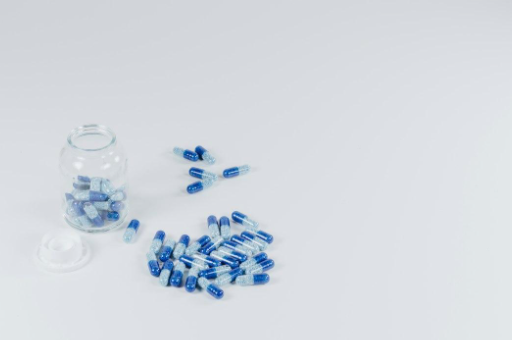
Supplements also follow different federal rules than prescription drugs. If you are unsure whether a product suits you, ask your doctor or pharmacist. For a broader look at what people commonly take, read this guide to supplements for adults.
Keeping Your Vitamins Cool and Dry
Florida’s climate is not going to change, but your cabinet can. Move bottles out of the bathroom, close lids promptly and check them for changes. Those small steps help every bottle hold up between purchase and the last dose.
Frequently Asked Questions
Is It Bad to Keep Vitamins In the Bathroom?
It is one of the worst spots in a Florida home. Purdue research found shower steam can push humidity above 98%, high enough to dissolve some crystalline vitamins. A bedroom drawer is usually a better choice.
Can Humidity Damage Vitamins In a Closed Bottle?
Yes, according to the Purdue study. Opening a bottle in a humid room lets moisture in each time, so a lid alone does not fully protect it. Keeping the desiccant packet inside may help.
What Are the Signs a Supplement Has Absorbed Moisture?
Watch for liquid in the bottle, clumping, softening or brown spots. Mauer suggested discarding supplements that show moisture uptake or browning.
Should I Keep Supplements In the Refrigerator?
Only if the label says so. A fridge can create condensation each time a cold bottle meets warm Florida air. Follow the storage directions on the product itself.


Comments