


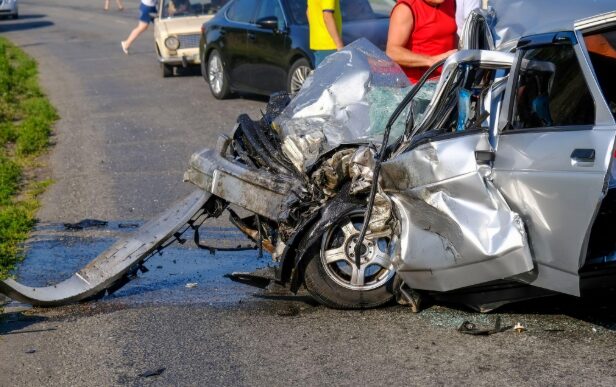
A trooper knocks on the door, or a hospital calls, and nothing else matters after that. Your family is planning a funeral, answering questions from people you have never met, and trying to hold each other up. Legal steps are the last thing anyone wants to think about, and that makes complete sense. Here is the hard part, though. The first two weeks after a deadly crash quietly shape what your family can prove months later. Wrecked cars get crushed. Store video records over itself. Witnesses forget what they saw. Insurance adjusters call before you have even picked a funeral home. Nobody expects you to handle all of that while you are grieving, and you should not try. Many families contact Meldon Law Firm during that first week, not because they want a fight, but because someone has to protect the things that vanish fastest.
Handle the Official Steps First
When a person dies in a Florida crash, the district medical examiner takes charge of the case. Under Florida Statute § 406.11, the medical examiner in the district where the death happened must determine the cause of death and may order an autopsy. Your family’s permission is not required for that exam. Ask for the case number and the name of the investigator, because those findings often matter later.
Next, track down the traffic crash report. Under § 316.066(2)(a), crash reports stay confidential for 60 days, so the general public cannot pull yours. Family members involved in the crash and their attorneys can get a copy right away by showing photo identification and signing a sworn statement. Ask the responding officer for the report number before they leave the scene, then request the report through FloridaCrashPortal.gov or the agency that worked the crash.
Protect the Evidence Before It Disappears
Physical proof has a short shelf life, and no one is required to save it for you. Tow yards charge daily storage fees and may eventually sell or scrap unclaimed vehicles. Most newer cars contain an event data recorder that stores speed, braking, and seat belt information from the seconds before impact. That data can be lost once the vehicle is repaired or destroyed. Nearby businesses may also record over surveillance footage within a week or two.
Preserving this evidence can be essential to proving negligence and establishing exactly how the accident occurred. Send written notice to the tow yard instructing it not to release, repair, or scrap the vehicle. An attorney can also send preservation letters to trucking companies, bars, and property owners that hold evidence they might otherwise delete, alter, or destroy.
Focus your effort on these items:
- The wrecked vehicle
- Nearby camera footage
- Phone and text records
- Witness names
Say Very Little to the Insurance Companies
Adjusters move quickly after a death, sometimes within a day or two. You should report the crash to your own auto insurer, since your uninsured motorist coverage may apply if the at-fault driver carried little or nothing. That call is different from the one you will get from the other driver’s insurance company, and the difference matters.
You are not required to give a recorded statement to the at-fault driver’s insurer, and you should not give one before speaking with an attorney. Under § 768.81, a jury assigns a percentage of blame to everyone involved, and if your loved one is found more than 50 percent responsible, your family recovers nothing. An offhand guess about speed or a comment about the weather can turn into the quote that shifts those percentages. Never sign a release or cash a quick settlement check in the first weeks either.
Learn Who Can Legally Bring the Claim
Florida does not let each grieving relative file a separate lawsuit. Under § 768.20, only the personal representative of the estate may file the wrongful death case, and that one action covers every eligible family member. The probate court appoints that person and issues letters of administration first, so starting probate early keeps the case from stalling.
Section 768.18 spells out who counts as a survivor: the spouse, children, parents, and blood relatives or adoptive siblings who depended on the person for support. That same section defines “minor children” as anyone under 25, which surprises most families. Section 768.21 then sets what each survivor may recover:
- Lost financial support
- Lost companionship
- Mental pain
- Funeral and medical bills
Reach Out Before the Two-Year Deadline Passes
Nothing on this page brings your person back, and none of it is meant to rush your grief. The point is simply that a handful of quiet steps in the first two weeks, getting the medical examiner’s case number, pulling the crash report, freezing the vehicle where it sits, keeping your answers short with adjusters, and opening probate so someone can act for the family, protect options you cannot get back later. Florida gives you two years from the date of death to file a wrongful death suit under § 95.11(5)(e), and that time disappears faster than families expect. Call a Florida wrongful death attorney for a free consultation, ask what needs to happen this month, and let someone else carry the paperwork while you take care of each other.


Comments