
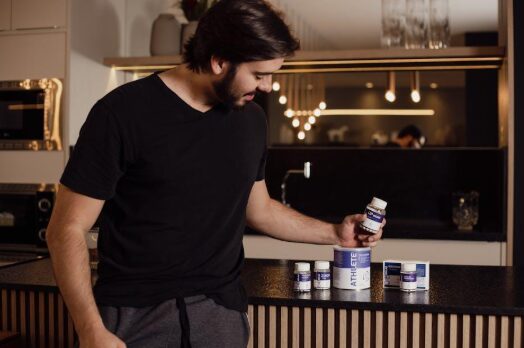
Most Central Florida wellness readers take at least one daily supplement. Many take several. The bottle on the kitchen counter rarely gets the same vetting attention the food in the fridge gets. That gap is where most disappointing supplement experiences start.
A trustworthy supplement brand is one with manufacturer transparency, third-party verification, and label honesty across every product line. Companies like California-based Superior Supplement Manufacturing handle the contract-manufacturing side for many private-label brands, which means the same facility may produce supplements sold under several different names. The framework below covers how to read a label, vet a manufacturer, and decide whether the brand on the kitchen counter is worth the daily slot.
Why Does Supplement Brand Vetting Matter More Than Most Buyers Realize?
A supplement decision is a daily choice that compounds across months and years. Unlike most food choices, the same supplement is taken in the same dose every morning. Quality problems compound the same way.
Three structural reasons make vetting more important than buyers usually expect. First, the dietary supplement category is regulated very differently from prescription drugs. The US Food and Drug Administration’s consumer guide to dietary supplements covers the regulatory framework. The short version: manufacturers are responsible for the safety and label accuracy of their products before sale, with FDA action mostly post-market.
Second, private-label manufacturing is the norm. A single contract manufacturer often produces supplements sold under dozens of brand labels. The brand on the bottle may not reflect the actual quality control behind the product.
Third, the price-quality relationship in supplements is weaker than buyers expect. Expensive does not always mean better. Cheap does not always mean worse. Independent verification matters more than the price tag.
What Six Signals Should Buyers Read on a Supplement Label?
Six label and brand signals separate quality supplements from marketing-heavy ones.
- Manufacturer transparency. A brand that names its contract manufacturer (or owns its facility) signals confidence. Brands that hide the manufacturer often have a reason.
- Third-party verification marks. NSF, USP, or ConsumerLab seals indicate the product has been tested against an independent standard.
- Specific dosage information. Quality brands list the exact milligrams of each active ingredient, not just “proprietary blend”.
- Standardized extracts. For botanical supplements, standardization to a specific active compound is a quality signal.
- Allergen and contamination disclosures. Honest disclosure of cross-contamination risks signals a brand that takes manufacturing seriously.
- Clear contact information. A brand with an actual phone number and a real customer service address is easier to engage when something goes wrong.
A brand that scores well across these six signals is usually worth a daily slot. A brand that hedges on any of them deserves more scrutiny.
How Should Central Florida Buyers Research a Supplement Brand?
Five practical steps make the vetting cycle quick and decisive.


The first is the manufacturer search. A 5-minute Google search for “{brand name} manufacturer” usually surfaces the contract manufacturer or the brand’s own facility. Brands that consistently top the search results with their manufacturing partner are typically more transparent.
The second is the third-party-test check. NSF and USP both maintain searchable databases of verified products. The American Heart Association’s healthy eating overview covers the broader nutrition framework that informs which supplements actually fill nutrition gaps versus duplicate diet sources.
The third is the customer-review pattern. Look for clusters of reviews mentioning the same specific benefit or the same specific issue. Single five-star reviews carry less weight than detailed multi-paragraph reviews from verified buyers.
The fourth is the social-media transparency check. Brands that respond to customer questions on Instagram or Facebook within a reasonable timeframe usually have better quality control. Coverage of women’s money matters and financial wellness reinforces how the same vetting discipline applies across wellness-related purchase decisions.
The fifth is the doctor-pharmacist conversation. For any supplement taken alongside prescription medication, a quick check with the prescribing physician or a local pharmacist catches interaction issues before they surface.
What Are the Common Supplement-Vetting Mistakes?
A vetting mistake is a research shortcut that costs the buyer either money or health outcome.
The first is the influencer-recommendation reflex. Social media partnerships rarely disclose the depth of the influencer’s relationship with the brand. A clinically-credentialed recommendation usually outperforms a follower-count one.
The second is the proprietary-blend acceptance. “Proprietary blend” labels usually hide the actual dose of each ingredient. Quality brands disclose specifics.
The third is the cheapest-product reflex. The cheapest version of a supplement category usually cuts corners somewhere. Mid-range products often offer better quality-per-dollar.
The fourth is the no-third-party-test acceptance. Without independent verification, the buyer takes the brand at its word. For daily supplements, the verification step is worth the modest premium.
The fifth is the buy-everything-at-once pattern. Starting 5 new supplements at once makes it impossible to identify which one is working (or not working). One at a time across 4 to 6 week intervals produces better data. Coverage of the CDC norovirus cruise reports reinforces how the same source-vetting discipline matters across health-decision categories.
How Should Buyers Track Whether a Supplement Is Working?
Three signals show a supplement is contributing. The first is the subjective energy or mood change across 4 to 8 weeks. The second is any objective biomarker change in lab work. The third is the absence of side effects. A 3-month review cycle catches supplements that became habits without producing measurable benefit.
A Quick Reality Check Before the Purchase
- Look up the manufacturer behind the brand label
- Confirm at least one third-party-test mark on the bottle
- Read the supplement facts panel for specific dosages
- Cross-check the supplement against current prescription medications
- Start one new supplement at a time and track outcomes
The Honest Bottom Line on Supplement Vetting
A supplement bottle is a daily commitment, not a one-time purchase. The 10-minute vetting routine pays back across months of better-spent dollars and clearer health outcomes. Most buyers who run the framework end up with a smaller, sharper supplement shelf than they had before. Quality compounds in supplements the same way it compounds in any daily product.
Frequently Asked Questions
Are Expensive Supplements Always Better?
No. The price-quality correlation is weaker than buyers expect. Independent third-party testing and manufacturer transparency matter more than the price tag.
How Do I Find the Manufacturer Behind a Supplement Brand?
A simple Google search for “{brand name} contract manufacturer” or “{brand name} private label” usually surfaces the answer. Brands that openly name their manufacturer signal more confidence than ones that hide it.
Should I Tell My Doctor About Supplements I Take?
Yes, always. Several common supplements interact with prescription medications. A 2-minute conversation with the prescribing physician or local pharmacist catches issues early.
How Many Supplements Should I Take Daily?
Most adults need fewer than they think. A daily multivitamin, vitamin D in winter months, and any condition-specific supplement recommended by a doctor usually covers most needs. Larger stacks are rarely justified by evidence.

