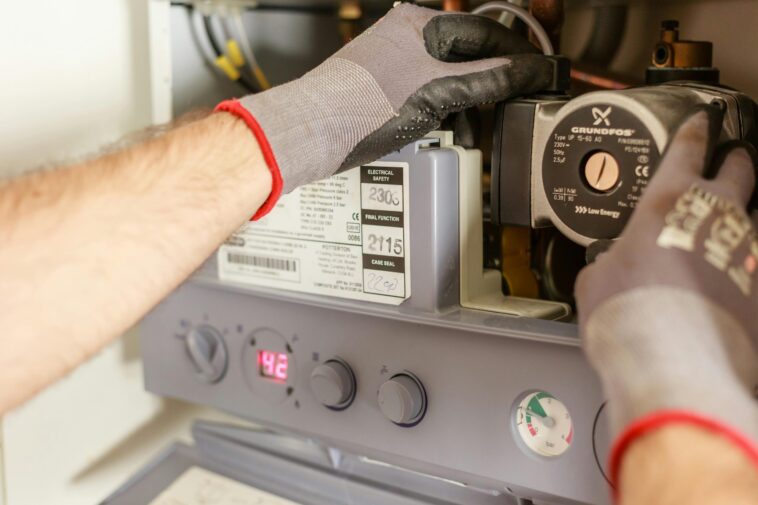
Most households lose several gallons of clean water each day just waiting for the tap to run warm. A circulating pump changes that by keeping heated water in constant motion through the pipes, so it arrives the moment a faucet opens. The upgrade works with most residential plumbing setups and often pays for itself through lower utility bills. That said, a careless installation can lead to leaks, electrical problems, or reduced heater performance. Taking time to do the job right protects the home and keeps the system running efficiently for years.
Why a Circulating Pump Matters
Hot water left sitting in long pipe runs cools off fast. Each time someone opens a faucet, all that lukewarm standing water has to drain before anything warm comes through. A recirculation pump fixes this by cycling heated water back to the tank, either through a dedicated return line or a bypass valve. Homes where bathrooms sit far from the heater see the biggest improvement. Research shows that a typical household wastes thousands of gallons per year waiting for warm flow at distant fixtures. That wasted water adds up on utility bills, and a pump can offset its own cost over time.
Preparing for the Job
Good preparation keeps the project on track and prevents safety issues midway through. Before touching any plumbing, gathering supplies and confirming system compatibility should come first. A clear understanding of how to install a water heater circulating pump helps homeowners pick the correct fittings and electrical components for their specific tank. It also makes it easier to determine which return-line configuration will work best. Reading through the manufacturer’s manual beforehand cuts down on wrong purchases and missed safety steps.
Tools and Materials Needed
A typical setup requires an adjustable wrench, pipe cutter, Teflon tape, copper fittings, and a check valve. Homes without a dedicated return line will also need a bypass valve kit. Electrical requirements differ between pump models, so checking the spec sheet before heading to the store avoids a second trip.
Confirming System Compatibility
Not every pump pairs well with every tank. Measuring inlet and outlet pipe diameters on the heater before buying is a must. The pump’s electrical rating also needs to match the available circuit; otherwise, breakers may trip or components could overheat. Most residential models plug into a standard 120-volt outlet, though larger units sometimes require a dedicated 240-volt line. Snapping a quick photo of existing connections makes part selection much easier at the hardware store.
Step-by-Step Installation Process
Shutting Down the System
Start by cutting off gas or electricity to the heater. Close the cold-water supply valve and open a nearby hot-water faucet to bleed pressure from the lines. Draining the tank slightly prevents spills when pipes are disconnected. These simple precautions guard against burns and accidental flooding.
Mounting the Pump Unit
Secure the pump to the hot-water outlet on top of the tank. Wrap Teflon tape around all threaded connections to seal against drips. Tighten each fitting with a wrench, but be careful not to over-torque brass adapters since they can crack under too much force. Orient the unit so its directional flow arrow points away from the tank.
Setting Up the Return Path
If a dedicated return line is already in place, connect it to the pump’s intake port with compatible fittings. Homes lacking a return line will need a bypass valve mounted beneath the fixture farthest from the heater. This valve opens once water temperature drops below a set threshold, sending cooled water back through the cold-water pipe to the tank for reheating. Correct placement of that bypass valve ensures steady temperatures at every fixture without forcing the pump to cycle too often.
Handling the Electrical Connection
Plug-in models simply connect to a nearby grounded outlet. Hardwired versions should be handled by a licensed electrician for safe connection to the breaker panel. Adding a timer or thermostat control is a smart move; it limits pump operation to peak demand periods like mornings and evenings, cutting energy use significantly.
Key Safety Precautions
Shutting off both power and water before any modification is absolutely essential. Wear heat-resistant gloves to guard against scalding from residual hot water still trapped in the lines. Once every connection is complete, open the cold-water supply valve slowly and check each joint for moisture. Even a small drip can cause serious damage behind walls if it goes unnoticed for a few weeks. Run the pump on a brief test cycle before sealing any access panels to confirm everything functions properly. Keeping a dry towel and small bucket close by catches unexpected water during testing.
Conclusion
A recirculation pump brings real, everyday comfort along with meaningful savings on water and energy bills. Careful preparation, the right parts, and attention to electrical safety separate a reliable upgrade from an expensive mistake. Homeowners who work through each stage patiently can wrap up the project in a single afternoon. For anyone less comfortable with plumbing or wiring, bringing in a qualified professional remains the wisest investment to protect both the property and the people living in it.