


We all know how much a straight, confident smile can change the way we feel. But when your teeth aren’t perfectly aligned, deciding how to fix them isn’t always easy. Should you stick with traditional braces, or try clear aligners instead? In this post, we’re going to dive into the real differences between clear aligners vs braces so you can figure out which option actually works best for you.
Understanding Braces and Aligners
Teeth can be straightened with fixed braces or removable invisible teeth aligners, and each comes with its own pros and cons.
Traditional Braces
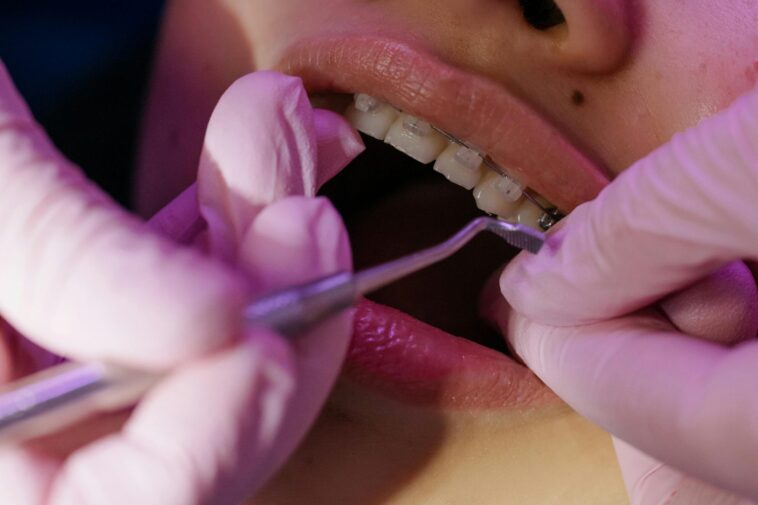
Traditional braces are made of metal brackets bonded to your teeth, connected by wires and sometimes elastic bands. Over time, these components gradually shift your teeth into proper alignment. Braces are highly effective and can correct a wide range of dental issues, from mild crowding to severe bite problems.
Pros of traditional braces include:
- Highly effective for complex tooth corrections
- No need to remember to wear them; they’re fixed in place
- Often covered by dental insurance
However, there are some drawbacks:
- Visible metal can affect aesthetics
- It can cause discomfort, irritation, or sores in the mouth
- Require careful cleaning and maintenance
Clear Aligners
Clear aligners, also known as orthodontic aligners, are removable trays made of transparent plastic that gradually shift teeth. They are ideal for those seeking a discreet approach to teeth straightening.
Advantages of teeth aligners vs braces:
- Virtually invisible, ideal for adults and teens
- Removable, allowing easier eating and oral hygiene
- Comfortable, with fewer chances of mouth sores
Challenges include:
- Must be worn 20–22 hours daily to be effective
- Not ideal for severe dental misalignments
- Can be lost or damaged if not handled carefully
Key Differences: Traditional Braces vs Aligners
This table simplifies the traditional braces vs aligners comparison. Depending on your lifestyle and dental needs, one option may clearly stand out.
| Feature | Traditional Braces | Clear Aligners |
| Appearance | Metal brackets, noticeable | Transparent, nearly invisible |
| Removability | Fixed | Removable |
| Comfort | Can irritate cheeks and gums | Smooth, comfortable |
| Oral Hygiene | Harder to clean | Easier to brush & floss |
| Food Restrictions | Yes, avoid sticky or hard foods | Minimal, removable during meals |
| Treatment Range | Mild to severe | Mild to moderate issues |
| Adjustment | Regular orthodontist visits for tightening | Receive a series of aligners, check-ins less frequent |
| Cost | Usually lower upfront | Slightly higher, but it can vary |
Are Aligners Better Than Braces?
The answer is: it depends. Are aligners better than braces? For many adults and teens, yes, they’re discreet, convenient, and comfortable. But for complex cases like severe bite misalignment or crowded teeth, traditional braces may be more effective. Your orthodontist can guide you based on your specific dental structure.
Finding the Right Fit for Your Teeth
When deciding between traditional braces vs aligners, consider the following factors:
- Aesthetics: If you want a subtle, invisible solution, clear aligners are ideal.
- Lifestyle: Clear aligners can be removed during meals, while braces are fixed.
- Dental Complexity: Severe misalignments may require braces.
- Budget: Clear aligners may cost more upfront, but braces can incur extra costs over time with maintenance.
Making the Right Choice for Your Smile
At the end of the day, choosing between braces and clear aligners is about what fits your lifestyle, comfort, and dental needs. Braces are reliable for more complex corrections, while aligners offer flexibility, discretion, and convenience. Think about how often you can wear aligners, how visible you want your treatment to be, and what your orthodontist recommends. The right option is the one you’ll stick with consistently, because consistency is what ultimately brings out that healthy, confident smile.
FAQs
Q: Which is better, braces or aligners?
A: Both have benefits. Braces excel in treating complex issues, while aligners are perfect for mild to moderate misalignment, offering flexibility and discretion.
Q: How do I know if I need braces or aligners?
A: Consult your orthodontist. They will evaluate your teeth alignment, bite, and lifestyle to recommend whether clear aligners vs braces are best.
Q: What are the disadvantages of braces?
A: Braces can cause mouth irritation, are highly visible, and require careful cleaning. Dietary restrictions are also a common challenge.
Q: Which gives faster results, aligners or braces?
A: Results vary depending on the severity of misalignment. Mild cases may resolve more quickly with aligners, while complex cases often require traditional braces for faster correction.
Q: How much do aligners usually cost?
A: Clear aligner costs can range from $2,500 to $5,500, depending on treatment complexity and provider. Traditional braces can be slightly cheaper but may require additional visits and adjustments.


Comments