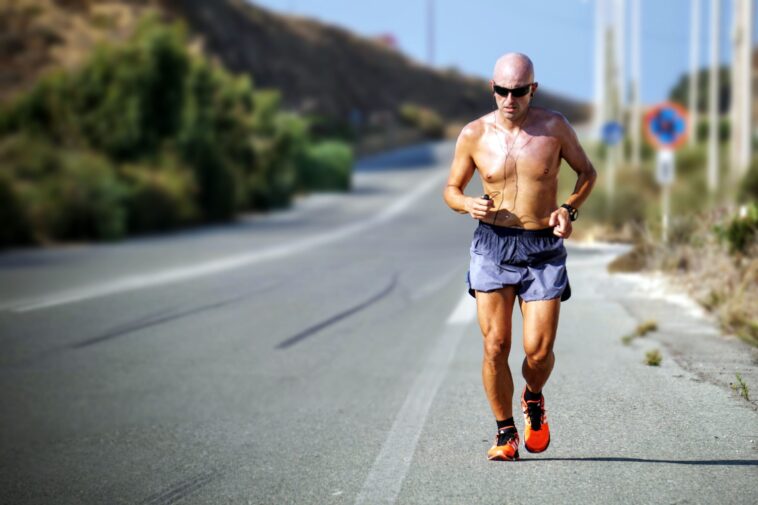
Anyone who lives in Central Florida knows that a summer morning is rarely cool or refreshing. By 7 a.m., the air can already feel heavy, the sun is getting stronger, and the heat index may be uncomfortable before many people have even had breakfast.
You do not necessarily have to move every workout indoors until October, though. Running outside is still possible, but the heat changes how you need to approach it. You may have to leave earlier, slow down, carry more water, and be willing to cut a run short when something feels wrong.
Extreme heat has caused more deaths in the United States over the past decade than any other type of weather, and Florida is regularly among the states most affected. That is a good reason to take the conditions seriously, even if you have lived in the area for years. With a little planning and the right habits, you can still keep up your morning runs without taking unnecessary risks.
Get Out Early and Know When to Turn Back
A run at 5:30 a.m. can feel very different from one at 7:30 a.m. in the middle of a Central Florida summer. Those two hours bring stronger sunlight and a noticeable increase in temperature. The humidity may still be high before sunrise, but avoiding direct sun can make the run much easier to handle.
Local doctors often advise people not to exercise outdoors after 10 a.m. during the summer. By then, the heat index can reach or pass 105 degrees, including on days that do not appear especially dangerous when you first look at the temperature.
Starting before sunrise gives you some room before the worst heat arrives. It also makes it easier to use shaded streets and trails before the sun is directly overhead. If you cannot run early, shortening the route or choosing an indoor workout may be the more sensible choice.
It is just as important to know when to stop. Dizziness, nausea, confusion, an unusual headache, or a heart rate that seems far too high for your pace should not be ignored. Another serious warning sign is when you stop sweating even though you still feel very hot.
There is no value in finishing one planned run if doing so leaves you sick or unable to train for several days. Turning back early can be frustrating, but sometimes it is the right decision.
Hydration Starts the Night Before
It is difficult to make up for poor hydration once a run has already started. If you go to bed dehydrated and wake up hoping that one glass of water will solve the problem, you are already making the morning harder on yourself.
Try to drink regularly throughout the previous day, especially if you have spent time outside, exercised, or had alcohol. You do not need to force down a huge amount of water before bed. The goal is simply to avoid beginning the next morning with a fluid deficit.
Sports medicine professionals generally recommend drinking around 16 to 20 ounces of water during the hour before running. In Central Florida, the amount you need may depend on your body size, how heavily you sweat, how long you plan to run, and the conditions that morning.
The American College of Sports Medicine’s guidance on exercising in heat and humidity recommends drinking regularly during exercise instead of waiting until you feel very thirsty. Thirst can be a late signal, particularly when you are losing fluid quickly.
For longer runs, plain water may not be enough. Sweat contains sodium and other electrolytes, and those losses become more important when you are outside for 45 minutes or longer. Some runners also lose much more salt than others, which is why the same hydration plan will not work for everyone.
Plan ahead rather than assuming you will find water along the way. You might carry a handheld bottle, wear a hydration belt, or create a route that passes a reliable fountain. Another option is to leave a bottle somewhere safe and return to it during loops.
Even a relatively short run can leave you dehydrated in Florida’s summer weather. The humidity slows the evaporation of sweat, but it does not mean you are losing less fluid.
Dress and Gear for the Conditions, Not for the Calendar
Summer running clothes should help heat leave your body instead of trapping it. Loose, lightweight fabrics usually feel better than heavy cotton or tight layers once they become soaked with sweat.
Light colours are also helpful when you are running after sunrise because they absorb less heat than darker clothing. A breathable cap or visor can keep direct sunlight off your face, although it should be light enough that it does not hold in too much heat.
Sun protection still matters in the early morning. Central Florida sunlight becomes strong quickly, and sections of a route that felt shaded when you started may be fully exposed by the time you return. Sunscreen is worth applying even if you expect to finish before 8 a.m.
Good eye protection can make a noticeable difference, especially on east-facing roads where you may spend part of the run looking toward the rising sun. Glare can make it harder to see uneven pavement, cyclists, cars pulling out of driveways, and other people on the route.
Audio can create another safety issue. Noise-cancelling earbuds may make it harder to hear a bicycle, a dog, or a car approaching from behind. Some runners leave one earbud out or choose an open-ear design instead.
Open-ear audio can also be built into eyewear. Oakley’s Meta sunglasses are one example, with speakers placed in the frames rather than inside the ears. This does not make listening risk-free, however. The volume still needs to be low enough for the runner to hear traffic and other nearby sounds.
Whatever you wear, try it on shorter runs first. Summer is not the best time to discover that a shirt rubs, a hat traps heat, or a new pair of sunglasses keeps sliding down your nose.
Acclimatize Before You Push the Pace
Many runners make the same mistake when summer begins. They try to hold the pace they managed comfortably during the cooler months, then feel discouraged when the same route suddenly seems much harder.
The problem is not necessarily lost fitness. Your body has to work harder to cool itself in hot, humid weather. More blood is sent toward the skin, your heart rate rises, and the air makes it harder for sweat to evaporate. A pace that felt comfortable in March can feel surprisingly demanding in July.
Heat acclimatization usually takes around 10 to 14 days of regular exposure. During that time, the body gradually becomes better at managing heat. Sweating may begin earlier, circulation becomes more efficient, and the same level of effort starts to feel a little more manageable.
This adjustment does not happen after one or two hot runs. It also does not make anyone immune to heat illness. Acclimatized runners still need to pay attention to weather conditions and how they feel.
The National Weather Service’s heat safety guidance notes that people who are not accustomed to hot conditions face a greater risk of heat-related illness. This is especially relevant at the beginning of summer, after time away from training, or when returning to Florida after spending time in a cooler climate.
For the first couple of weeks, run according to effort rather than forcing a specific pace. If you use a heart-rate monitor, it can help show how much harder your body is working even when your pace is slower.
Reducing the length of your runs can also help. You might run for 30 minutes instead of 45, add more walking breaks, or choose a flat route until your body adjusts. Slower summer splits are normal and are not a sign that the training has stopped working.
Pushing too hard before you are ready can leave you exhausted for the rest of the day. It may also turn every run into something you dread. Giving yourself time to adjust usually makes it easier to stay consistent.
Build a Post-Run Recovery Routine for the Heat
Heat stress does not disappear as soon as your watch says the run is over. Your core temperature can continue rising for a short period after you stop, especially if you stand around outside or walk directly into another hot environment.
Move somewhere cool as soon as you can. Air conditioning is helpful, but shade and moving air are better than remaining in direct sunlight if you are not close to home. Loosen tight clothing, remove your hat, and give your body a chance to cool down.
Cold water on your face and neck can provide quick relief. A cool shower may feel good as well, though it does not need to be painfully cold. The aim is to bring your temperature down gradually and comfortably.
Start replacing fluid soon after the run rather than waiting until much later in the day. Water may be enough after a short, easy session. After a longer or sweatier run, a drink or meal containing electrolytes can help replace some of what you lost.
You can also weigh yourself before and after longer runs to get a rough idea of your sweat rate. A one-pound drop in body weight is equal to approximately 16 ounces of fluid. The result is not a perfect measurement, since you may drink or use the bathroom during the run, but it can still show whether you are losing more water than you thought.
Pay attention to how you feel later in the day. A lingering headache, unusual tiredness, dark urine, or continued dizziness may mean you have not fully recovered. If symptoms are severe, do not improve, or include confusion or fainting, seek medical help.
Recovery also includes food and sleep. A morning run in the heat can take more out of you than the distance suggests, so give yourself enough time to eat, cool down, and rest before the next hard session.
Conclusion
Running through a Central Florida summer takes some adjustment, but it does not have to mean giving up outdoor training for several months. The safest approach is usually quite simple: start earlier, drink enough, wear gear suited to the weather, slow down while your body adjusts, and cool off properly afterward.
Some mornings will still feel rough. The humidity may be unusually high, or your normal pace may feel harder for no obvious reason. On those days, shortening the run is often more useful than forcing the original plan.
Consistency matters more than finishing every mile exactly as scheduled. If you respect the heat and adjust when needed, you have a much better chance of training through July, August, and September without making yourself ill. By the time cooler weather returns, those careful summer miles will still count.