


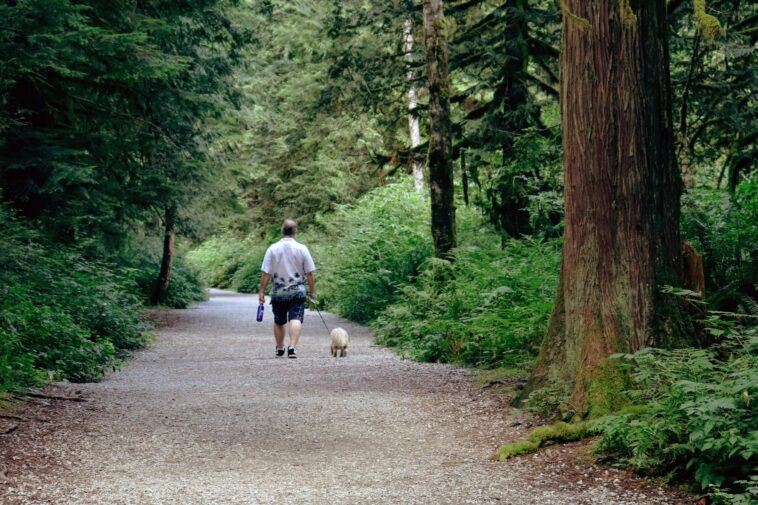
Central Florida is built for active weekends. Families can move from lakes and trails to courts, springs, playgrounds, farmers markets, and wildlife areas without needing a long road trip.
The region also has the right climate for year-round outdoor plans. The main challenge is choosing activities that work for different ages, energy levels, and schedules.
Outdoor activity is not just a nice extra. It is a regular part of family life across the country. The 2024 Outdoor Participation Trends Report found that 175.8 million Americans participated in outdoor recreation in 2023, representing 57.3% of the U.S. population.
For Central Florida families, an active weekend can be simple, local, and affordable with the right plan.
Start With a Trail Morning
A trail walk is one of the easiest ways to get everyone moving. It does not require special skills. It can be shortened or extended depending on the group.
Central Florida has plenty of family-friendly trail options. Look for shaded paths, boardwalks, lake loops, and parks with restrooms. These details matter when younger children are involved.
Good trail planning includes water, sunscreen, insect repellent, hats, and a basic first-aid kit. Start early to avoid the strongest heat. Choose routes with clear markers and parking access.
Families can make trail walks more engaging by adding small goals. Count bird species. Look for turtles. Take photos of interesting trees. Track distance with a phone app. Simple structure keeps children involved.
Plan a Springs Day
Natural springs are one of Central Florida’s strongest weekend options. The water stays cool, the scenery feels different from a standard pool, and many parks offer activities beyond swimming.
Families can plan around kayaking, tubing, snorkeling, paddleboarding, or shallow-water play, depending on the location. Some springs also have picnic areas and walking paths.
Reservations and early arrival matter. Popular springs can reach capacity, especially during warm weekends and school breaks.
Pack light but carefully. Bring towels, dry clothes, water shoes, sun protection, snacks, and reusable water bottles. Waterproof phone pouches help with photos and navigation.
At the end of the season, families can turn these weekend photos into custom photo books that document hikes, springs trips, park visits, and small local adventures. It keeps the memories organized without leaving every photo buried on a phone.
Try a Family Bike Route
Cycling gives families more range than walking. It also works well for older children who need more movement than a playground can provide.
Choose protected trails or low-traffic paths first. Avoid busy roads unless everyone is confident and properly equipped.
Before leaving, check tire pressure, brakes, helmets, reflectors, and water bottle mounts. Young riders should understand basic signals and spacing.
A good family ride has a clear midpoint. This might be a café, park, lake overlook, or shaded rest area. A destination gives the ride purpose.
Keep the first ride short. A successful 30-minute ride is better than a two-hour ride that ends in frustration.
Build a Park Circuit
Central Florida parks make it easy to combine several activities in one stop. A park circuit keeps the day varied without overloading the schedule.
A simple circuit might include:
- Playground time
- Short family walk
- Picnic lunch
- Frisbee or ball games
- Scooter or bike loop
- Nature photography
- Stretching before leaving
This format works because each person gets something different. Younger children get play time. Older children get movement. Adults get a manageable plan.
Choose parks with shade, restrooms, and water fountains. These details can decide whether the outing feels smooth or stressful.
Add Low-Pressure Court Sports
Court sports are useful for active families because they teach coordination, timing, and teamwork. They also fit into shorter weekend windows.
Pickleball, tennis, basketball, and volleyball can all work, depending on age and experience. Pickleball is especially approachable because the court is smaller and rallies can start quickly.
Families do not need to play competitively. Use simple drills. Practice serves. Count how many times the ball crosses the net. Rotate partners. Keep the game light.
Clothing should allow movement and heat control. Breathable shirts, supportive shoes, and sport-specific pieces such as a pickleball jersey can help during longer outdoor sessions.
Visit a Farmers Market on Foot
A farmers market can be more active than it seems. It combines walking, local food, and sensory exploration.
Families can turn the visit into a light movement activity by parking farther away, walking the full market loop, and choosing a few ingredients for a weekend meal.
Children can help compare produce, choose fruit, count change, or talk with vendors. This builds independence without making the outing feel like a lesson.
Markets also pair well with nearby parks, downtown walks, or bike trails. A two-part morning often feels fuller than one long activity.
Explore Wildlife Viewing Spots
Central Florida is strong for wildlife watching. Families may see birds, turtles, alligators, fish, butterflies, deer, or manatees depending on the season and location.
Wildlife viewing teaches patience. It also encourages slower movement and attention to detail.
Bring binoculars if available. Use quiet voices. Stay on marked paths. Never feed wildlife. Keep a safe distance near water.
This activity works well for mixed-age families because it can be calm but still engaging. It also gives children a reason to observe instead of rush.
Schedule Recovery Time
Active weekends should not feel like endurance events. Families need recovery time, especially in Florida heat.
Plan breaks before people are tired. Use shaded areas, indoor lunch stops, or quiet afternoon time at home.
Hydration matters. So does sleep. A full Saturday outdoors can affect energy on Sunday if the family does not recover.
The best active weekend plans have one main activity and one optional add-on. This keeps the day flexible.
Make It a Repeatable Routine
The easiest way to stay active is to remove planning friction. Families can create a rotating weekend list.
One weekend might be a trail. The next might be a springs trip. The next could be a bike ride, park circuit, or court sport morning.
Keep a ready bag with sunscreen, hats, towels, snacks, bug spray, first-aid supplies, and reusable bottles. This saves time and reduces excuses.
Central Florida gives families many ways to stay active without overcomplicating the weekend. The best plans are practical. They match the weather, the ages involved, and the family’s actual energy.
A strong weekend does not need to be packed. It needs movement, fresh air, shared time, and enough structure to make leaving the house easy.


Comments