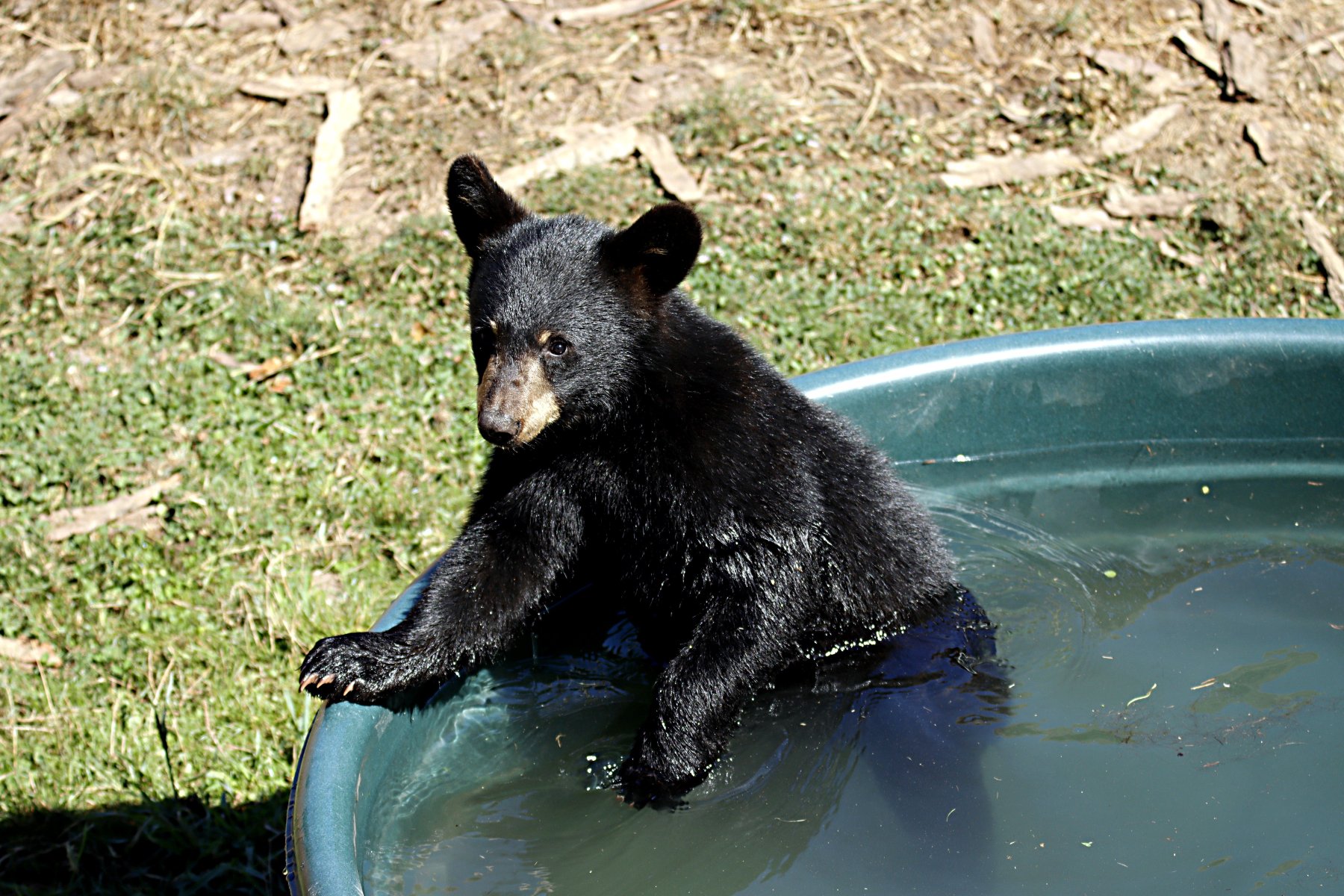
The Brevard Zoo is caring for 11 Florida black bears at its Black Bear Rehabilitation Center, including two siblings rescued from Marion County earlier this year. With the cubs growing stronger and preparing for their next stage, the rehabilitation team is beginning to look ahead to their potential return to the wild in January.
Operated by the East Coast Zoological Foundation, the center provides a temporary home for orphaned and vulnerable black bear cubs while they develop the skills needed to survive in their natural habitat. With 11 bears currently in its care, the facility is not expecting to take in additional cubs this season.
Two Marion County Cubs Find Their Way Back Together
Among the young bears receiving care are siblings Prickly Pear and Pooh Bear, who were discovered in Marion County in August.
Prickly Pear was found first, followed by Pooh Bear three days later in the same area. The cubs arrived at the rehabilitation center separately, where each received an initial veterinary examination.
Although both were in relatively good condition when they arrived, the veterinary team identified injuries and other issues that required attention. Staff cleaned wounds on the cubs and treated them for fleas and ticks. Prickly Pear also needed several broken teeth removed.
After their initial treatment, the siblings were reunited at the center. They have remained close, spending time playing together while also adjusting to the other bears in their group.
Preparing Florida’s Black Bears for the Wild
The rehabilitation center gives young bears an opportunity to grow and develop away from human interaction. In a naturalistic habitat, the cubs spend their time building the behaviors and survival skills they will need once they return to the wild.
According to the zoo, the bears have made encouraging progress over the summer. All have gained weight, become more energetic, and continued developing as they approach their first birthdays.
Veterinary staff will soon begin conducting health examinations to determine whether the cubs are ready for release. The current plan is to return them to their native ranges in January.
The Florida Fish and Wildlife Conservation Commission (FWC) works with the zoo and other conservation partners to coordinate the releases. The agency selects release locations, prioritizing public conservation lands with suitable habitat, relatively low bear populations, and limited human activity.
These considerations help give rehabilitated bears a better opportunity to establish themselves and survive after returning to the wild.
How to Help Florida Black Bears
Florida black bears play an important role in the state’s ecosystems. Among their contributions is seed dispersal, which helps support plant growth and forest health.
The rehabilitation of orphaned cubs is one part of broader conservation efforts to protect Florida’s black bear population and give young animals a chance to grow up in their natural environment.
Anyone who encounters an orphaned, sick, injured, or dead Florida black bear should contact the Florida Fish and Wildlife Conservation Commission’s 24-hour Wildlife Alert Hotline at 888-404-FWCC (3922).
Residents should avoid approaching or attempting to handle a bear. Reporting the situation to wildlife officials allows trained professionals to determine the appropriate next steps.
Comments