One headline says home sales are falling. Another says prices are still rising. A third says buyers finally have more negotiating power. Confusingly, all three can be true at the same time.
That is because there is no longer one housing market moving in a single direction. Conditions now vary substantially by state, community and property type. A well-priced single-family home in a desirable neighborhood may still attract immediate interest, while a nearby condo or vacation property can face considerably more competition.
The national figures illustrate this divide. According to the National Association of Realtors, existing-home sales fell in August, both compared with July and with the same month last year. Yet the national median sales price rose 2% year over year to $429,100. The number of homes available for sale also increased by 5.9%.
Mortgage rates remain a major part of the story. In mid-September, the average rate for a 30-year fixed mortgage was close to 7%. That makes the monthly payment on a typical home significantly higher than it was when rates were near historic lows. It has reduced what many buyers can comfortably afford and caused some homeowners with older, lower-rate mortgages to delay moving.
The result is not a traditional boom or a widespread crash. It is a slower and much more selective market.
Florida Is Telling Two Different Stories
Florida’s August figures followed a similar pattern. Closed sales of existing single-family homes declined 1.4% from a year earlier, while condo and townhome sales fell 1.8%. Prices, however, remained relatively steady. The statewide median price was $415,000 for a single-family home and $298,000 for a condo or townhome.
The more revealing number is the amount of available supply. Florida had approximately 4.3 months of single-family inventory, compared with 7.7 months for condos and townhomes. That is a meaningful difference. In broad terms, the single-family market is closer to balance, while buyers in many condo and townhome communities have more properties to compare and more room to negotiate.
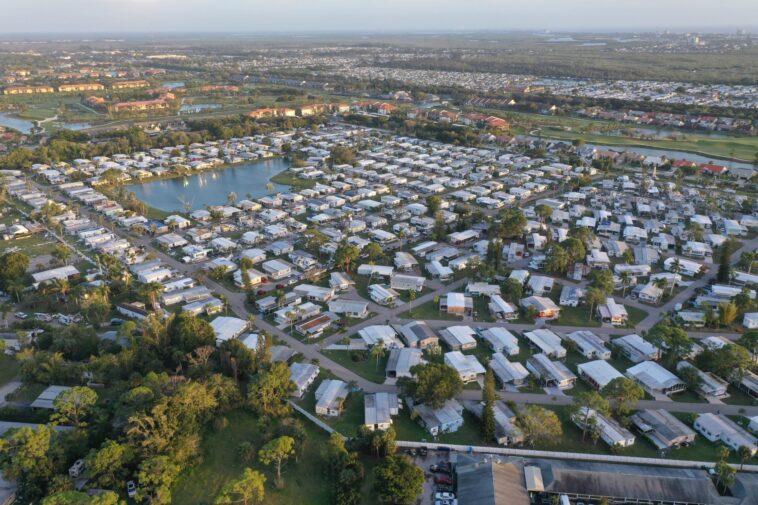
Here in Central Florida, we can see why local knowledge matters. Established residential neighborhoods with limited inventory can behave very differently from resort, condominium and short-term-rental communities where several similar properties may be competing for the same buyer.
In those communities, the asking price is only the beginning of the affordability calculation. Buyers are also comparing mortgage payments, property taxes, insurance, association fees, potential assessments, maintenance costs and, where applicable, realistic rental performance. Two properties with the same list price can have very different total ownership costs.
What This Means for Buyers
Buyers generally have more time and negotiating power than they did during the frantic market of 2021 and early 2022. That does not mean every seller is desperate or that every home should sell at a substantial discount.
The best opportunities are usually found by examining the individual property and its immediate competition. Has it been on the market longer than comparable homes? Does it need repairs or updating? Are the association fees materially higher? Has the seller already moved or purchased another property?
A buyer may also benefit from negotiating items other than the headline price. Closing-cost assistance, repairs, furniture, a mortgage-rate buydown or flexibility with the closing date can sometimes provide more practical value than a modest price reduction.
Buyers should obtain a strong mortgage preapproval and calculate the complete monthly cost before falling in love with a property. The home that appears less expensive may not be the better value once every recurring expense is included.
What This Means for Sellers
For sellers, the first few weeks on the market matter enormously. Buyers can see every competing listing, price reduction and day on market. Pricing a property above its current competition to “leave room to negotiate” can result in fewer showings, lost momentum and a larger reduction later.
A realistic asking price should be based on recent comparable sales, current competing properties and the direction of the local market—not simply what a neighbor asked, what an online estimate suggests or what the home might have achieved several years ago.
Presentation also matters more in a selective market. Cleanliness, condition, professional photography, accurate information and easy access for showings can determine which of several similar homes receives the offer. Sellers should also be ready to explain insurance costs, association fees and important improvements clearly, because today’s buyers are examining the complete financial picture.
Should You Wait?
Many buyers are waiting for mortgage rates to fall, while many sellers are waiting for demand to return. Timing the market perfectly is extremely difficult.
If rates fall meaningfully, buyers may gain purchasing power—but they may also face increased competition. If rates rise, prices could soften in some markets, but the monthly payment may still become less affordable. The better question is not whether this is the perfect national market. It is whether the move makes sense for your finances, circumstances and local conditions.
The housing market has not stopped. It has simply become less forgiving of broad assumptions. Buyers need to understand the complete cost of ownership, and sellers need to respond to the market they are in rather than the market they remember.
Today’s market rewards preparation, realistic expectations and good local information. That may not make for the most dramatic headline, but it is the clearest guide for making a sound real estate decision.