If you own a home in Central Florida—or you’re thinking about buying one—you’ve probably noticed that home insurance has become one of the biggest conversations in real estate.
Over the past few years, many Florida homeowners have seen rising premiums, stricter inspection requirements, and increased attention on things like roof age and water heaters. For some buyers, insurance costs are now just as important as mortgage rates when deciding whether a home fits their budget.
As a real estate broker working throughout Central Florida, this is one of the most common topics we discuss with both buyers and sellers in 2026.
Here’s what homeowners should know.
Why Insurance Has Become Such a Big Issue
Florida has always faced unique insurance challenges due to hurricanes, severe storms, and weather-related claims. But in recent years, rising rebuilding costs, inflation, litigation, and multiple active storm seasons have significantly increased pressure on insurance companies operating in the state.
The result? Higher premiums and tighter underwriting requirements.


Many homeowners are now experiencing:
- Increased annual insurance costs
- More detailed inspections before coverage is approved
- Restrictions related to older roofs or aging systems
- Fewer carrier options compared to previous years
For buyers relocating from other states, the difference can sometimes come as a surprise.
Roof Age Matters More Than Ever
One of the biggest factors affecting insurability today is the age and condition of a home’s roof.
Even roofs that appear to be in good condition can create challenges if they approach certain age thresholds. In many cases, insurance carriers may request inspections, documentation, or even recommend replacement before offering full coverage.
Because of this, roof age has become a major factor during real estate transactions throughout Central Florida.
For sellers, having documentation related to roof replacement or recent inspections can make a significant difference when marketing a property. For buyers, understanding the remaining life expectancy of a roof is now a critical part of the purchasing process.
Older Systems Can Impact Costs
Insurance companies are also paying closer attention to other major systems inside the home.
Water heaters, electrical panels, plumbing, and HVAC systems can all influence eligibility and premium pricing. In some cases, buyers may need to update older systems shortly after purchasing a home in order to maintain affordable coverage.
This doesn’t mean older homes are bad investments—but it does mean buyers should carefully evaluate total ownership costs beyond just the purchase price.
Why Buyers Need to Budget Differently
A few years ago, many buyers focused primarily on mortgage payments and interest rates. Today, monthly ownership costs require a much broader conversation.
Insurance premiums, HOA fees, taxes, and maintenance costs all play a larger role in determining affordability.
In Central Florida specifically, buyers are becoming more focused on:
- Newer roofs
- Updated systems
- Flood zone designations
- Community HOA costs
- Energy efficiency features
A home that appears less expensive upfront may actually cost more long-term once insurance and maintenance are factored in.
The Good News for Central Florida
Despite the challenges, demand for Central Florida real estate remains strong.
The region continues to attract buyers from across the country due to its lifestyle, job growth, warm climate, and overall value compared to many major metro areas.
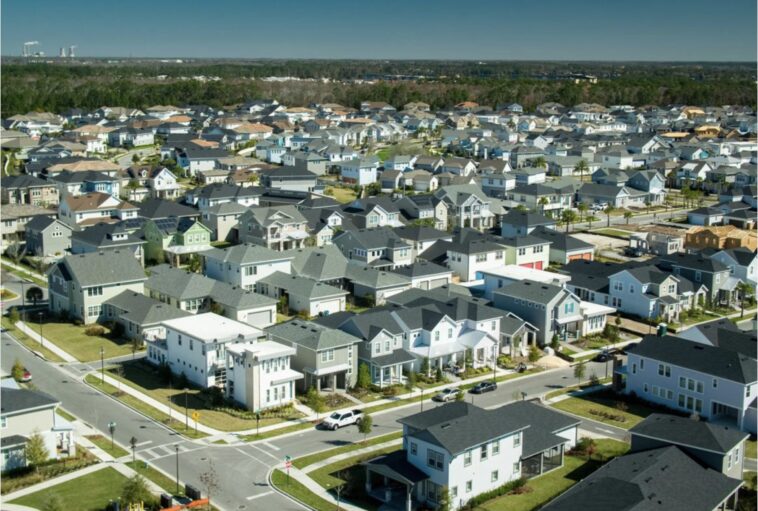
Many newer communities are also being built with modern construction standards designed to better withstand Florida weather conditions, which can help improve insurability and long-term ownership costs.
For homeowners who stay informed and plan ahead, the market still offers significant opportunities.
The Bottom Line
The Florida insurance landscape has changed, and homeowners need to approach real estate decisions with a broader understanding of total ownership costs.
But Central Florida continues to remain one of the most desirable places to live in the country. Buyers who understand the market—and work with experienced local professionals—can still make smart long-term decisions in today’s environment.
As the market evolves, education and preparation are becoming just as important as location and price when it comes to real estate success in Florida.