


As food drives ramp up across Central Florida, Second Harvest Food Bank of Central Florida is helping donors understand which food and household items best support local families and which donations the organization cannot accept.
In a recent guide, the food bank outlined common donation misconceptions and highlighted items that meet its needs, from shelf-stable milk and canned protein to personal hygiene products. The guidance also explains why some fresh foods and popular pantry staples may not be practical for donation.
What Items Does Second Harvest Accept?
Second Harvest welcomes a variety of shelf-stable foods and household essentials that help families prepare meals and manage everyday needs.
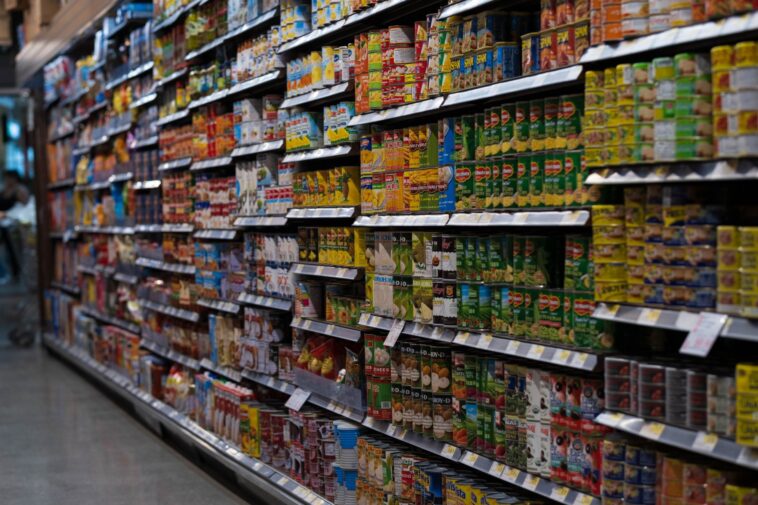
Useful donations include boxed shelf-stable milk, cooking oil, canned tuna, canned chicken, beef stew, jerky, meat sticks, and crackers. Coffee, tea, sugar, flour, and spices can also help recipients add variety to their meals.
Baking supplies such as cake mix and frosting are another option, offering families ingredients to celebrate birthdays and other special occasions.
Household and personal care products are important, too. Second Harvest identifies dish soap, dishwashing detergent, and feminine hygiene products as useful donations.
Donors can review the food bank’s official donation guidance before organizing a food drive or shopping for supplies.
Why Some Popular Donations Aren’t Accepted
Not every food item commonly recommended for donation is suitable for Second Harvest. The organization cannot accept fresh dairy products, eggs, butter, margarine, or fresh produce directly from community members because of food safety requirements. Instead, it obtains these foods through established commercial suppliers and partnerships with farmers, growers, and retailers.
Some packaged meals may also be less useful than donors expect. Boxed macaroni and cheese typically requires milk and butter, while Hamburger Helper calls for ground beef. When those additional ingredients are not readily available, the meals can be harder for recipients to prepare.
Second Harvest also notes that seeds may not be a practical donation for everyone, since recipients may not have access to a garden or the space and resources needed to grow food.
For canned goods, easy-open packaging can make meal preparation more convenient. Donors can consider pop-top cans or include manual can openers when appropriate.
Financial Donations Help Provide Fresh Food
For supporters who are unsure what to purchase, financial contributions offer another way to help. Monetary gifts allow Second Harvest to buy fresh foods, including dairy, eggs, produce, and meat, through commercial channels that meet food safety requirements.
Financial support also gives the organization flexibility to direct resources toward the foods and supplies needed by the communities it serves.
Before donating, supporters can check Second Harvest’s current recommendations to make sure their contributions align with the organization’s needs. Choosing suitable shelf-stable foods, household essentials, or a financial gift can help the food bank make the most of community generosity.
For the full list of recommended and discouraged items, visit Second Harvest Food Bank of Central Florida.





Comments