
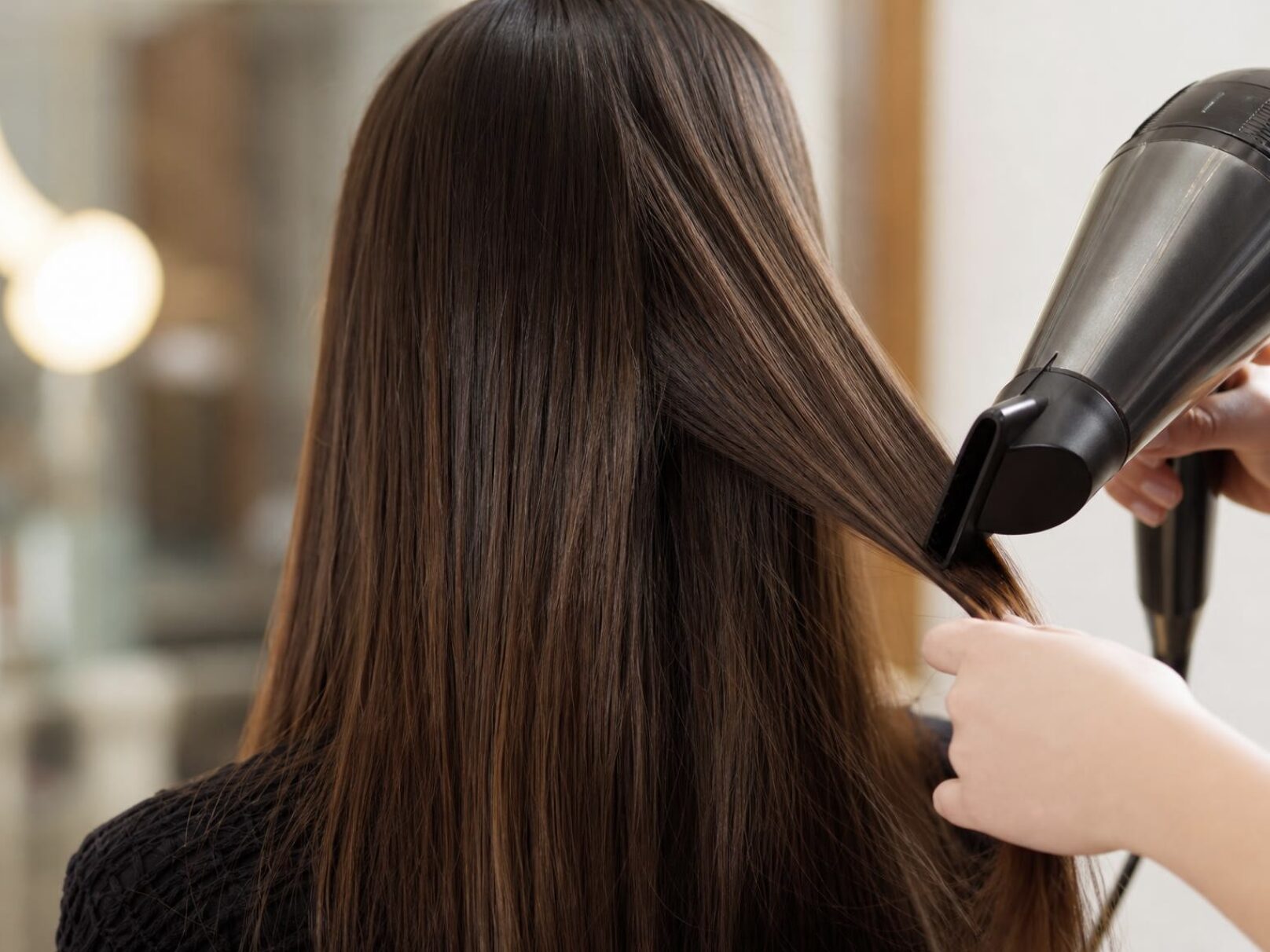
Why Heat Styling Requires a Balanced Approach
For many of us, heat styling is just part of the morning routine—a quick way to smooth out frizz, build in volume, or reshape curls before heading out the door. A hair dryer or hair straightener can transform your hair in minutes, but that convenience comes with a trade-off: repeated or excessive heat exposure can gradually wear down the hair shaft. This isn’t an article about which tools or brands to buy. Instead, it’s about understanding how heat actually interacts with hair, and building habits that cut down on avoidable damage without forcing you to abandon styling altogether. How risky any one session is depends on a mix of factors—your hair’s current condition, its texture, any prior chemical processing, the temperature you use, how often you reach for the tool, and the technique behind each pass.
What Heat Can Do to the Hair
Each strand of hair has an outer layer called the cuticle—overlapping cells that shield an inner layer, the cortex, where most of hair’s strength and elasticity come from. Healthy hair relies on a delicate balance of moisture and protein. When heat is excessive, it can lift or roughen the cuticle, letting moisture escape and leaving hair feeling dry or coarse. Over time, that can show up as split ends, less elasticity, breakage, and a dullness where shine used to be.
It helps to understand the difference between hair shedding, which happens at the root and usually ties back to growth cycles or broader health factors, and hair breakage, which happens along the shaft and is more directly linked to mechanical or thermal stress. There’s no single “safe” temperature that applies across the board, since hair thickness, porosity, and prior treatment all affect how heat is absorbed. Hair that’s been chemically treated, bleached, fine, or already brittle generally calls for more caution. Dermatological guidance consistently points out that excessive heat can damage hair, and that dialing back both temperature and frequency of use can go a long way toward limiting that harm.
Recognizing Signs of Heat-Related Damage
Keep an eye out for increased frizz, rough texture, split or feathered ends, strands that snap easily when you brush, a loss of natural curl pattern or elasticity, and dryness that persists even with regular conditioning. Damage tends to show up first in the sections you style most often.
That said, not every hair concern traces back to heat. Sudden or significant hair loss may have causes that have nothing to do with styling tools—hormonal shifts, nutritional gaps, or scalp
conditions, for example. Cosmetic products and styling adjustments simply can’t diagnose or reverse every type of hair problem.
When to seek professional advice: Persistent hair loss, scalp pain, sores, redness, or breakage that’s rapidly getting worse are all reasons to see a qualified dermatologist rather than trying to fix things on your own.
Safer Preparation Before Using Heat
Good prep work matters just as much as the styling itself. Blotting or wrapping wet hair gently, instead of rubbing it hard with a towel, cuts down on unnecessary friction. Wet hair tends to stretch and break more easily, though the best detangling approach varies by texture. Whenever you can, let hair partially air-dry before reaching for a heat tool—this shortens how long and how intensely heat needs to be applied. Detangling with a wide-tooth comb or brush, working from the ends upward, also eases the strain on your strands.
Heat-protective products can help cut down on friction and thermal stress, but they’re not a magic shield against damage from high heat or frequent styling, so it’s worth applying them exactly as the label directs. Leftover styling product or oil buildup can also throw off how evenly heat spreads across your hair. The American Academy of Dermatology recommends handling wet hair as little as possible, letting it partially air-dry, and cutting back on blow-drying frequency where you can.
Choosing Temperature, Timing, and Technique
Use the lowest effective heat. Start low and only turn up the temperature if you really need to—thicker or coarser hair might call for a different technique, but cranking up the heat isn’t automatically more effective.
Keep heat moving. Don’t let a tool linger in one spot. Work through hair in manageable sections, aim for fewer passes instead of going over the same strand again and again, and keep heated plates or barrels away from your scalp to avoid burns.
Match the tool to your hair’s condition. Skip high heat on soaking-wet hair unless your device is specifically built for that. Treat bleached, relaxed, permed, or heavily colored hair with extra care, and take a break from heat styling if your hair starts feeling unusually brittle or prone to snapping. What really matters isn’t which device you’re using—it’s the relationship between temperature, how long the heat touches your hair, how much moisture is present, and how often this all happens over time.
Building a Lower-Damage Styling Routine
Try saving heat styling for occasions when it actually makes a difference, and mix in air-dried or low-manipulation looks the rest of the time. Avoid re-styling the same section more than once in a day, and lean on protective or low-tension styles in between heat sessions. Conditioning regularly in a way that suits your hair, along with trimming split ends when you see them, helps maintain overall condition—though trimming only removes damage that’s already there rather than repairing the strand further up.
Practical scenario: Say you typically heat-style several times a week. You might cut down the number of passes per session, start with hair that’s already partially air-dried, lower your temperature setting, and build in one or two heat-free styling days. Tracking how breakage and texture change over several weeks can help you figure out whether your routine needs further tweaking. This is just one illustrative approach, not a guaranteed fix.
Hair-Type and Treatment Considerations
No hair type is completely immune to heat damage, though texture does affect how hair should be handled and how long it takes to dry. Fine or fragile hair, curly and tightly coiled hair, bleached or chemically processed hair, and hair that’s already showing breakage usually call for extra caution. Textured hair may do better with careful detangling while wet to limit breakage, while other hair types might fare better with minimal handling when wet. In the end, your hair’s individual condition matters more than broad category labels, and anyone dealing with significant chemical damage or unexplained changes in density should check in with a professional.
Common Mistakes to Avoid
- Defaulting to the highest setting adds unnecessary thermal stress.
- Applying heat to soaking-wet hair with the wrong tool can cause moisture inside the shaft to boil, damaging its internal structure.
- Repeatedly passing over the same section stacks up cumulative heat exposure.
- Treating heat protectant as complete protection can lead to overconfidence—and higher settings than you actually need.
- Styling visibly brittle hair raises the odds of breakage.
- Pulling tightly while applying heat piles mechanical stress on top of thermal stress.
- Ignoring scalp discomfort or burning risks both scalp injury and hair damage.
- Assuming expensive equipment removes the need for safe technique overlooks the fact that temperature, timing, and handling still matter most.
A Healthier Approach to Heat Styling
Safer heat styling isn’t about ditching your tools altogether—it’s about managing heat, frequency, contact time, and hair condition together. Using the lowest effective setting, cutting back on repeated passes, prepping hair gently, and staying alert to early signs of breakage all add up to a more sustainable routine. If concerns persist or get worse, a dermatologist or hair care specialist can offer guidance tailored to your specific situation.
Key takeaway: Small, consistent adjustments—like lowering your temperature setting or adding one air-drying day a week—often matter more than any single product or tool. Consider taking a look at your current routine and making one manageable change today.
This article is intended for general educational purposes and does not replace individualized medical or professional advice. Readers with persistent or severe hair or scalp concerns should consult a qualified healthcare provider.
Comments
