
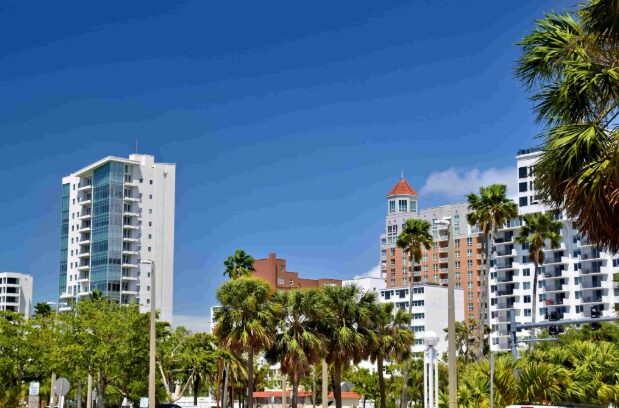
Florida has more homeowner associations per capita than almost any other state in the country. A large share of Florida’s residential housing stock is located within HOA-governed communities, including master-planned communities in Lake Nona and Windermere, condominium towers along the coast, and townhome developments in Orlando.
For many homeowners, joining one of these communities is their first real encounter with HOA rules, dues, and the management infrastructure behind them. Understanding how HOA management services work impacts property values, the quality of everyday life, and the financial health of every community homeowners call home.
What HOA Management Services Cover
HOA management services refer to the professional administration of a homeowners association’s day-to-day operations, delivered by a third-party management company hired by the HOA’s elected board of directors.
The board governs. It sets policy, approves budgets, and makes decisions on behalf of the community. The management company executes those decisions and provides the operational infrastructure that volunteer board members cannot realistically sustain on their own.
Core services include the following:
- Financial administration: Dues collection, delinquency follow-up, budget preparation, reserve fund management, monthly reporting, and tax compliance. Financial management is the most critical function. When it fails, community finances deteriorate quickly.
- Rule enforcement: Issuing violation notices, documenting infractions, and levying fines in compliance with Florida’s Homeowner Association Act under Chapter 720 of the Florida Statutes.
- Vendor coordination: Contracting and managing vendors for landscaping, pool maintenance, building upkeep, and capital projects. Established management companies provide pre-vetted relationships and purchasing leverage that self-managed boards cannot match.
- Owner communications: Handling homeowner inquiries, supporting board meetings, and maintaining digital portals for dues payments, maintenance requests, and document access.
- Legislative compliance: Florida HOA law changes regularly. A professional management company tracks amendments to Chapter 720 and informs boards proactively.
Florida HOA Rules: What Homeowners Need to Know
Florida HOA communities operate under three core governing documents. The Declaration of Covenants, Conditions, and Restrictions (CC&Rs) establishes what homeowners can and cannot do with their property. The Bylaws govern how the HOA itself operates. The Rules and Regulations cover day-to-day standards for parking, pets, noise, landscaping, and common area use.
Common HOA rules in Florida communities include:
- Exterior appearance: Paint colors, lawn standards, decorative items, and holiday displays
- Parking: Vehicle types, guest parking, and street parking duration
- Short-term rentals: Many Florida communities restrict or prohibit Airbnb and VRBO. Buyers should verify the policy before closing
- Pets: Size limits, breed restrictions, and leash requirements
- Solar panels: Florida law prohibits outright bans but allows HOAs to regulate placement and appearance
Unenforceable HOA rules in Florida: Not all rules are legally binding. Rules that violate state or federal law, including fair housing protections, are unenforceable. Rules that conflict with Chapter 720 of the Florida Statutes are void. Rules adopted without following the governing documents’ amendment procedures may also be challenged.
Can an HOA change rules without a vote? Amendments to the CC&Rs and Bylaws typically require a homeowner vote. The board alone may adopt changes to the Rules and Regulations if the governing documents permit it.
Can an HOA change rules after purchase? Yes. Florida homeowners cannot assume that rules in place at closing will remain unchanged. Attending annual meetings and monitoring proposed amendments is the most effective way to stay informed.
HOA Management Across Florida’s Community Landscape
Central Florida’s residential landscape spans an extraordinary range of community types. From the exclusive gated communities of Windermere and Dr. Phillips to suburban master-planned developments in Lake Nona and Horizon West, to more unconventional formats including the tiny house communities that have found their footing in Orlando, management needs vary dramatically by scale and community type.
Professional HOA management companies adapt to those variations. A 20-unit condominium has different operational needs than a 500-home master-planned community. What remains consistent across every community type is the need for accurate financials, consistent enforcement, responsive communication, and compliance with Florida law.
What Homeowners Should Look For
“Homeowners have a right to see how well the management is doing, and the board ultimately makes the decisions. Signs of a well-run community:
- Transparent financials: Monthly statements, annual financials audited, and reserve fund balance recorded. The adequacy of reserve funds is one of the best indicators of a community’s long-term health.
- Responsive communication: Management should respond to owner inquiries in a timely manner and have digital infrastructure easily accessible. Open maintenance tickets and contacts that are impossible to reach are telltale signs of underperformance.
- Consistent enforcement: Florida law requires uniform enforcement of governing documents. Selective enforcement creates both legal exposure and community conflict.
Selective Enforcement: Homeowner Rights in Florida
One of the most common complaints from Florida HOA residents is selective enforcement, where the same rule is applied to some homeowners but not others.
Under Chapter 720, HOAs are required to enforce governing documents consistently. A homeowner who receives a violation notice can raise selective enforcement as a legal defense. Homeowners who believe enforcement is being applied unequally should document the instances in writing, raise the issue at a board meeting, and, if necessary, request a formal hearing.
Florida also provides a mandatory non-binding arbitration process for certain HOA disputes before litigation can begin.
Before Buying in a Florida HOA Community
The best time to understand how an HOA operates is before closing.
Florida law requires sellers to disclose HOA membership and provide buyers with governing documents before closing. Buyers have the right to cancel within three days of receiving these documents.
Review the CC&Rs, current budget, reserve fund balance, reserve study, any pending special assessments, and minutes from the past 12 months prior to purchase.
Keeping up with the latest Central Florida community news helps homeowners stay informed about legislative changes and local HOA news across the region.
Florida HOA communities offer real lifestyle benefits. Well-maintained communities, shared facilities, and enforced standards that help preserve property values. To get the most out of those communities, you need to know how they are managed.

