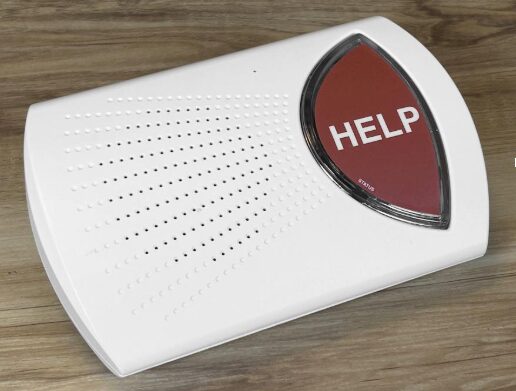
Seniors living independently face a simple but serious problem. A fall in the kitchen, a dizzy spell during a morning walk, or a cardiac event while home alone can turn into a life-threatening emergency when no one is nearby to call for help.
Medical alert systems solve this by placing emergency response technology directly on the wearer’s body. Providers offering top rated medical alert systems now build fall detection, GPS tracking, and two-way voice into devices that look like a standard wristband or pendant. These systems connect seniors to 24/7 monitoring centres at the press of a single button.
Why Do Seniors Living Independently Need Alert Systems?
Florida has one of the largest populations of adults aged 65 and older in the United States. Many of these residents age in place in their own homes or live in active retirement communities. Independence matters deeply, but it comes with measurable safety risks.
The CDC reports that one in four adults over 65 falls each year. Fall-related injuries remain the leading cause of emergency hospitalisations for seniors. When someone falls alone at home, the time spent on the floor before receiving help directly affects the medical outcome.
A 2024 AARP survey found that 75% of older adults want to remain in their own homes as they age. The same research showed that 64% expect they will need a personal safety device to do so. Medical alert systems for seniors bridge the gap between independent living and reliable emergency access.
How Do Medical Alert Systems Work Step by Step?
Modern alert devices operate through cellular networks, functioning without Wi-Fi, landlines, or smartphones.
- The senior wears the device at all times. Wristbands, pendants, and belt-clip units are designed for continuous wear during sleep, bathing, and outdoor activities.
- Motion sensors track movement patterns. Built-in accelerometers and gyroscopes monitor orientation, speed, and impact force throughout the day.
- A fall triggers an automatic alert. When sensors detect a fall pattern, the device contacts the monitoring centre without requiring a button press.
- The SOS button handles other emergencies. Chest pain, breathing difficulty, or feeling faint all warrant a manual press that opens a direct line to a trained operator.
- An operator responds through the device. Two-way voice communication lets the operator assess the situation and provide guidance through the wearable itself.
- Emergency services and family receive alerts. Paramedics get the GPS coordinates while designated family contacts receive instant notifications by phone or app.
This chain works anywhere with cellular coverage. Seniors receive protection at home, in the garden, or on a walk through the neighbourhood.
What Separates Top Rated Systems From Basic Models?
Not all medical alert devices deliver the same level of protection. Budget models often skip critical features that premium systems include as standard.

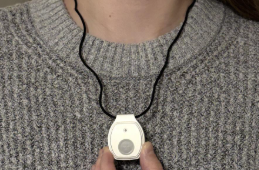
- Automatic fall detection. Sensors must distinguish real falls from sitting down or placing the device on a table. High false-positive rates cause frustration and device abandonment.
- GPS location tracking. Real-time positioning lets operators send help to the exact location, not just a home address.
- Two-way voice through the wearable. A fallen senior may not reach a phone. Speaking directly through the device allows immediate assessment.
- Water resistance rated IPX7 or higher. Bathrooms present the highest fall risk in any home. The device must survive showers and splashes.
- Multi-day battery life. Premium devices hold a charge for five to seven days. Daily charging creates dangerous gaps in coverage.
- No long-term contracts. Flexible monthly plans let seniors activate or pause the service as their needs change.
Taking a proactive approach to personal wellness means addressing safety alongside nutrition, exercise, and mental health. A medical alert device fits naturally into that framework.
Can Medical Alerts Support Active Senior Lifestyles?
Absolutely. The best systems are designed for seniors who stay active rather than homebound. GPS-enabled devices travel with the wearer to community centres, parks, and golf courses.
Seniors managing ongoing health conditions benefit from knowing that help is always within reach. A sudden drop in blood pressure during a morning walk or a dizzy spell in a parking lot becomes far less dangerous when professional monitoring is seconds away.
Modern devices look like fitness trackers or simple jewellery. No one at a restaurant would recognise the wristband as a medical device. This discretion matters to seniors who value their dignity and social confidence.
What Should Families Consider Before Choosing a System?
Families shopping for a medical alert system should start with three questions. Does the senior spend most of their time at home or out in the community? Do they have a history of falls? Do they live alone?
Home-only systems with a base unit and pendant cost less but stop working once the wearer steps outside. Mobile GPS devices cost slightly more per month but provide continuous protection everywhere.
Monthly plans typically range from $25 to $50 depending on features. Most reputable providers waive equipment and activation fees entirely. Compared to one emergency room visit after an unattended fall, the monthly fee represents a minor investment.
What Seniors and Families Should Remember
- One in four seniors falls each year, and response time after a fall directly affects the outcome.
- Top rated systems include fall detection, GPS, two-way voice, and water resistance as standard features.
- Cellular connectivity means the device works at home, outdoors, and during travel without Wi-Fi.
- No-contract monthly plans offer flexibility as health needs evolve.
- 75% of older adults want to age in place, and personal safety devices make that goal realistic.
Why Medical Alert Systems Matter More Than Ever
Seniors today are living longer and staying active well into their later decades. That independence deserves protection, not restriction. A wearable medical alert system like senior safety technology gives older adults the freedom to live on their own terms while giving families the confidence that help is never more than seconds away. The technology is proven, the cost is manageable, and the peace of mind is immediate.
FAQ
Do medical alert systems work outside the home?
GPS-enabled mobile devices work anywhere with cellular coverage, including parks, shopping centres, and community pools. Home-only systems with a base unit have a limited range of a few hundred metres and do not provide protection beyond that perimeter.
How quickly does help arrive after pressing the SOS button?
The monitoring centre typically responds within 15 to 30 seconds of receiving the alert. The operator assesses the situation through two-way voice and dispatches emergency services if needed. Total response time depends on local ambulance availability.
Will a medical alert bracelet detect every fall?
No system detects 100% of falls. Modern sensors accurately identify most hard falls but may miss slow slides from a chair. The manual SOS button provides backup for any situation the automatic detection does not catch.
Are there medical alert systems with no monthly fees?
Some basic devices offer one-time purchase models without professional monitoring. These rely on the wearer calling family contacts directly rather than connecting to a 24/7 response centre. Systems with professional monitoring provide faster, more reliable emergency response and typically cost $25 to $50 per month.