
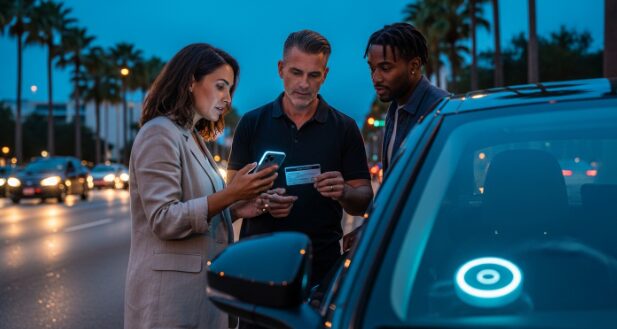
Rideshare apps like Uber and Lyft have become part of the fabric of daily life in Central Florida, whether it’s a trip to Orlando International Airport or a late-night ride home from downtown. But as the region’s population and tourist traffic keep growing, accident risks are growing right alongside them.
Recent statewide data paints a troubling picture. Crashes involving rideshare vehicles are rising, and transportation safety research confirms that rideshare accidents are increasing across major metro areas. Central Florida isn’t immune. So what does that actually mean for passengers, and what can you do about it? Here’s a closer look at the factors driving the trend, how rideshare insurance works, and what steps to take if you’re involved in a crash.
Why Rideshare Accidents Keep Increasing
Central Florida’s mix of sprawling suburbs, tourist hotspots, and congested highways creates a perfect storm for traffic incidents. Rideshare helps people navigate the region, sure, but it also adds to the congestion. Recent incidents, like the fatal crash on I-4 near the Disney area, are a sobering reminder of the dangers on heavily traveled corridors. The state recorded over 360,000 traffic crashes in 2025.
A few key factors are fueling the rise in rideshare-specific accidents:
- Tourist traffic: Millions of visitors unfamiliar with roads like the 408 or I-4 rely on rideshare services, increasing vehicle volume and the potential for incidents. That influx of temporary drivers and passengers adds a layer of unpredictability to already busy roads.
- Driver distraction and fatigue: Nationally, distracted driving killed 3,275 people in 2023. For rideshare drivers, the pressure to accept back-to-back rides while navigating with an app can lead to lapses in attention and fatigue-related errors.
- Congestion hotspots: Constant development and events in areas like Lake Nona, Winter Park, and the International Drive corridor pack more cars into tight spaces. An event like Red Hot & Boom in Altamonte Springs can cause a massive surge in both local traffic and rideshare demand.
Who Pays? Understanding Rideshare Insurance
One of the biggest sources of confusion after a rideshare accident is figuring out who’s financially responsible. Unlike a typical two-car crash, a rideshare incident can involve the driver’s personal auto policy, the rideshare company’s commercial policy, and potentially another at-fault driver’s policy. That overlap creates a legal gray area that’s tough for victims to sort through on their own.
The insurance coverage that applies depends entirely on what the driver was doing in the app at the time of the crash. Understanding this tiered system is the first step toward knowing your rights as a passenger.
Rideshare Insurance by Driver Status
| Driver’s App Status | Active Insurance Policy | Typical Coverage (Varies by Company) |
|---|---|---|
| App is off | Driver’s personal auto insurance | Driver’s own policy only; no rideshare coverage |
| App on, waiting for a request | Rideshare company’s limited liability | Limited liability if personal policy denies claim |
| En route to pickup or during ride | Rideshare company’s full commercial policy | $1M liability, uninsured/underinsured motorist, additional protections |
This tiered setup often leads to disputes where insurance companies point fingers at each other, potentially delaying or flat-out denying a victim’s claim. For passengers, that can mean a long, frustrating battle just to get compensation for medical bills and other damages.
5 Steps to Take After a Rideshare Crash
If you’re a passenger in a rideshare vehicle that’s involved in an accident, the steps you take immediately afterward matter. A lot. Staying calm and following a clear plan can make a real difference in how things play out, both medically and legally.
- Prioritize safety and call 911: Check yourself and others for injuries, then call for emergency help and police right away. A police report is critical evidence that documents the details of the incident.
- Document everything at the scene: If you’re able, take videos and photos of the vehicles, damage, road conditions, and any visible injuries. Grab names, contact info, and insurance details for all drivers involved, plus contact info for any witnesses.
- Report the crash in the app: Use the Uber or Lyft app to report the accident officially. This creates a digital record with the company and is a necessary step to activate their insurance coverage. Stick to the facts when filling out the prompts.
- Get a medical evaluation: Even if you feel fine, see a doctor. Some injuries, like whiplash or concussions, don’t show symptoms for hours or even days. That medical record creates a direct link between the crash and your injuries, which is vital for any insurance claim.
- Be cautious with insurance adjusters: You’ll likely hear from multiple adjusters representing different parties. Don’t give a recorded statement or accept a quick settlement offer before you understand the full extent of your injuries and your rights.
Getting Expert Help for a Complex Claim
Because of the overlapping insurance policies and corporate liability involved, rideshare accident claims are significantly more complex than standard car accident cases. Trying to navigate the process on your own can be overwhelming, which is why competent legal representation often makes a real difference in the outcome.
Why Local Experience Matters
In Central Florida, victims have access to legal advocates who specialize in these intricate cases. Local firms often provide a distinct advantage through their deep understanding of the tactics used by the opposing side. Many highly effective personal injury practitioners began their careers as defense attorneys for large insurance corporations. This “inside knowledge” provides a strategic edge in anticipating the specific methods insurers use to challenge or minimize claims.
Having worked on the defense side, these attorneys understand exactly how insurance companies evaluate—and often attempt to devalue—complex incidents like rideshare accidents. For example, firms like Norden Leacox Accident and Injury Law utilize this background to navigate the confusion over which insurance policy applies, preserve critical digital evidence from mobile apps, and ensure client rights are protected from the outset.
This level of experience is vital when pursuing full compensation for lost income, medical expenses, and pain and suffering. An advocate who understands the playbooks of both sides of the courtroom is often better equipped to secure a fair outcome.
Beyond the courtroom, some local attorneys engage with their community through unique passion projects. For example, the founders of Norden Leacox host The Bourbon Case Files, a podcast that blends legal storytelling with bourbon tastings—offering a more approachable, human side of the legal profession.
Staying Safe on Central Florida’s Roads
The convenience of rideshare isn’t going away. But neither are the risks on increasingly busy roads. Being aware of safety dynamics and knowing your rights as a passenger is the strongest form of protection you have.
If you’re ever involved in an accident, remember that you don’t have to navigate the aftermath alone. Experienced local resources are available to help, and staying informed is the best way to make sure modern transportation works for you, not against you.

