
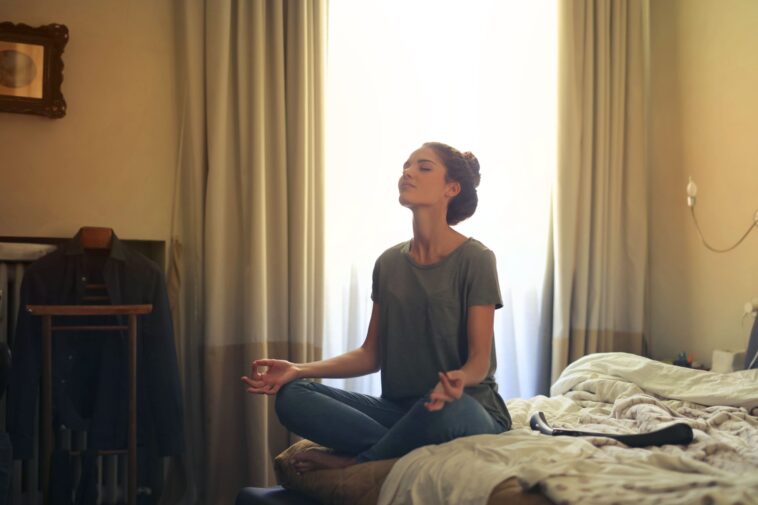
Life has a way of filling every available hour with something that seems important. Between work, household responsibilities, personal errands, and social commitments, it’s easy to tell yourself you’ll relax once everything on your to-do list is finished. The problem is that new tasks tend to replace the ones you’ve just completed, making relaxation feel like something that’s always just out of reach.
Giving yourself time to unwind, however, isn’t simply about taking a break when you feel exhausted. Regular moments of rest can help you return to your responsibilities feeling more focused and physically refreshed. Rather than waiting until you’re completely drained, making relaxation a recurring part of your routine allows you to maintain a healthier balance between productivity and personal well-being.
Fortunately, creating more opportunities to relax doesn’t require a major lifestyle overhaul. A few thoughtful adjustments to how you plan your day and approach your downtime can make relaxation feel like a natural part of your routine. Here are several practical ways to help you make that happen.
Schedule Relaxation Like Any Other Commitment
Many people have no trouble setting aside time for appointments or errands, yet personal downtime often remains unscheduled and easily replaced by other obligations. Setting aside dedicated time to relax reminds you that it’s just as important as the rest of your commitments; this can also make you less likely to sacrifice it whenever your schedule becomes packed. You don’t need to reserve several hours to see the benefits, either. A 20-minute walk after work, an hour to enjoy a hobby on Saturday afternoon, or a quiet evening with a book can all become regular parts of your week when you intentionally make room for them.
Look for Opportunities to Recharge Throughout the Day
Long stretches of uninterrupted free time aren’t always realistic, especially during busy weeks. Fortunately, small breaks scattered throughout the day can still help you recharge. You might spend a few minutes enjoying your morning coffee without checking your phone, or try out popular JILI games on your favorite online casino gaming platform while waiting for the laundry to finish. These moments may seem insignificant on their own, but they can provide welcome mental pauses that help you feel refreshed before moving on to your next responsibility.
Keep Several Relaxing Activities Within Easy Reach
Your energy levels aren’t the same every day, which means the activity that helps you unwind can change as well. Try preparing a variety of relaxing options ahead of time so that it’s easier to choose something that suits your mood; that way, you don’t accidentally waste your free time deciding what to do. You might keep a novel beside your favorite chair, save a playlist for quiet evenings, gather supplies for a creative hobby, or bookmark a podcast you’ve been meaning to listen to for a while. When enjoyable activities are readily available, you’re more likely to make use of even brief opportunities to relax.
Create an Environment That Encourages You to Slow Down
The space around you can influence how easy or difficult it feels to settle into a restful state. A room that’s filled with clutter, noise, or constant distractions may make it harder to shift your attention away from unfinished tasks. You don’t even need to completely redesign your home to create a more calming atmosphere. Simple touches, such as arranging a comfortable place to sit or playing soft background music, can help signal that it’s time to pause. Even a small corner dedicated to quiet activities can make relaxation feel more inviting.
Set Boundaries Around Your Online Time
Constant connectivity has become part of everyday life, but it can also make genuine downtime difficult to enjoy. App notifications and email updates often pull your attention away before you’ve had the chance to fully relax, leaving your mind occupied even during your free time. It’s always a good idea to reduce these interruptions by setting clear boundaries. You could silence nonessential notifications for an hour each evening or avoid checking work messages after a certain time. You might even choose to leave your phone in another room while enjoying a hobby. These small habits allow you to be more present and give your mind time to rest from the steady stream of digital information.
Pair Relaxation with Existing Daily Habits
You’ll likely find it easier to build a new habit when you can naturally fit it into a routine you already follow. Instead of finding another empty spot in your schedule, consider attaching a relaxing activity to something you already do each day. Reading for a few minutes before bed, stretching after you finish work, listening to calming music while preparing dinner, or spending a few quiet moments outside after walking the dog can all become familiar parts of your routine. Because these activities are connected to habits that already exist, they require less effort to remember and are more likely to become lasting routines.
Your best days won’t always be those where you accomplish the most; the ones where you give yourself plenty of opportunities to recharge matter just as much. The choice to make room for relaxation is a reminder that your well-being deserves a place in your everyday routine, not just on special occasions. With this kind of perspective, your downtime can help you enjoy your daily life more fully.

