
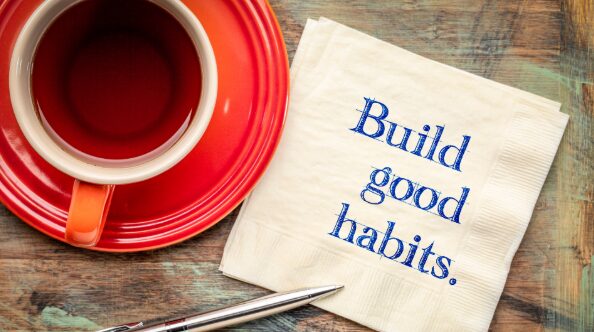
Healthy living does not need to start with a dramatic routine, restrictive meal plan, or complicated schedule. For most people, the habits that last are the ones that fit into normal life. A short walk after lunch, a glass of water instead of a sweetened drink, or a consistent bedtime can be easier to repeat than a major lifestyle overhaul.
The most effective habits are simple, measurable, and flexible. They support everyday wellbeing without creating unnecessary stress. For people planning weight loss, maintenance, or muscle gain, a TDEE Calculator can help estimate daily calorie needs while keeping the broader focus on steady habits around movement, food, sleep, hydration, stress, and social connection.
Start With Small Habits That Fit Your Day
Trying to change everything at once often creates friction. A more sustainable approach is to choose one or two habits and repeat them until they feel natural.
For example, someone with a desk-based routine might start with a 10-minute walk after lunch. It requires no special equipment, gym commute, or major schedule change. Another simple example is adding one serving of vegetables to dinner. A person might add spinach to eggs, include a side salad, or keep chopped vegetables ready in the fridge. Small changes are easier to repeat, which makes consistency more realistic.
Top 5 Easy Healthy Habits to Maintain
1. Move a little every day
Daily movement does not have to mean intense exercise. Walking, taking the stairs, stretching, cleaning, gardening, or doing short home workouts can all contribute to a more active lifestyle. A 15-minute walk most days may be easier to maintain than one long workout that feels difficult to repeat.
2. Build meals around whole foods
A balanced eating pattern can begin with simple choices. More vegetables, fruit, whole grains, legumes, nuts, and lean protein can support better nutrition without requiring a strict diet. Instead of removing everything at once, focus on adding useful foods first.
3. Keep a consistent sleep routine
Sleep affects concentration, appetite regulation, mood, and physical recovery. A realistic sleep habit may start with a regular bedtime, less screen use before bed, or a darker, calmer bedroom. Even moving bedtime 15 minutes earlier can be a manageable first step.
4. Drink more water and reduce sugary drinks
Hydration is one of the easiest habits to improve because it can be tied to existing routines. Keeping a water bottle nearby, drinking water with meals, or replacing one sweetened drink per day with water are simple starting points.
5. Practice brief stress management
Stress management does not need to take an hour. A five-minute breathing exercise, a quiet walk, light stretching, journaling, or practicing easy chord Songs on guitar, ukulele, or piano can help create space during the day. The benefit comes from repetition.
Why Easy Habits Work Better Than Extreme Changes
Sustainable habits work because they lower resistance. If a habit is too hard, expensive, time-consuming, or far from normal life, it is less likely to last. A realistic habit should answer three questions: Can I repeat this most days? Does it fit my schedule? Can I keep doing it during a busy week?
Habit stacking can help. This means attaching a new behavior to something familiar, such as stretching after shutting down the computer, preparing water before morning coffee, or doing calf raises while brushing teeth. The existing habit acts as a reminder, so less willpower is needed.
Common Barriers and Practical Fixes
Time is one of the most common barriers. The solution is often to reduce the size of the habit, not abandon it. If 30 minutes of exercise feels unrealistic, try three 10-minute sessions or one short walk.
Motivation also fluctuates. Instead of relying on it, use visible cues. Leave walking shoes near the door, place fruit where it is easy to see, or set a regular reminder for bedtime preparation.
Social situations can make healthy choices harder. Planning ahead helps without becoming rigid. For example, someone eating out during a beach trip to whangamata, a coastal destination in New Zealand known for surfing, cafés, and scenic walks, might choose a meal with vegetables and protein, drink water first, and still enjoy the occasion.
Physical limitations matter too. Low-impact activities such as walking, swimming, chair exercises, or gentle mobility work may suit some people better. Anyone with a medical condition or injury should seek guidance from a qualified health professional.
Simple Ways to Track Progress
Tracking should support consistency, not create stress. A weekly check-in is often enough. Useful markers include days with movement, average sleep time, water intake, servings of vegetables, mood, and energy levels. Some people prefer a notebook, while others use a phone app or wearable device. The goal is not perfection. The goal is awareness.
Ultimately
Healthy lifestyle habits are easier to maintain when they are simple, flexible, and connected to daily life. Walking more, eating more whole foods, sleeping consistently, drinking water, managing stress, and tracking progress lightly can all support long-term wellbeing without requiring extreme changes.
The strongest approach is to begin small and build gradually. One habit repeated consistently is more valuable than a perfect plan that lasts only a few days. Over time, practical choices become routines, and routines become a healthier lifestyle.

