


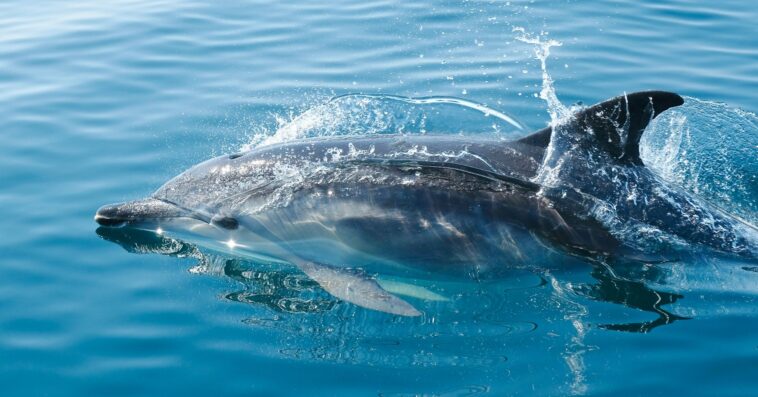
Clearwater Marine Aquarium will host a marine science presentation in November exploring how wild dolphins use specialized techniques to catch prey and why protecting these natural behaviors matters.
The program, titled Feeding Outside the Box: The Extraordinary Feeding Behaviors of Wild Dolphins, is part of the aquarium’s Echoes of the Ocean speaker series. Scheduled for Thursday, Nov. 12, the event will bring together marine researchers and conservation experts to discuss how dolphins find food in their natural habitats.
Presentations will cover feeding strategies observed in different parts of the Southeast, including strand feeding and mud ring feeding, as well as the potential consequences of people feeding wild dolphins.
Marine Experts to Discuss Specialized Dolphin Behaviors
The program features four speakers representing marine conservation organizations and research initiatives.
Lindsay Roland of Clearwater Marine Aquarium will introduce the topic and explore the feeding behaviors dolphins use in the wild. The presentation will also examine how dolphins develop specialized hunting techniques.
Lauren Rust of the Lowcountry Marine Mammal Network will discuss strand feeding, a cooperative hunting strategy documented among dolphins in which they herd fish toward shallow water and briefly move onto shore to capture their prey before returning to the water.
Laura Engleby of the Dolphin Ecology Project will focus on mud ring feeding, a technique observed in Florida Bay. During this behavior, dolphins create rings of sediment that help concentrate fish, making the prey easier to catch.
Jessica Powell of NOAA Fisheries will address the risks associated with people feeding wild dolphins. Human-provided food can alter natural behaviors and encourage dolphins to approach people and boats, potentially putting both animals and humans at risk.
Together, the presentations will highlight the variety of ways dolphins hunt and the importance of allowing marine mammals to maintain their natural feeding behaviors.
Why Natural Dolphin Feeding Behaviors Matter
Dolphins rely on learned behaviors, environmental knowledge and cooperation to find food. Studying these strategies helps researchers better understand marine mammal behavior and the ecological conditions that support dolphin populations.
Human interaction can interfere with these natural patterns. Feeding wild dolphins is prohibited under federal law, and it can teach the animals to associate people with food. Dolphins that approach boats or people for handouts face an increased risk of injury and other dangerous encounters.
By examining both specialized feeding techniques and the effects of human interference, the program aims to connect marine science with conservation practices that help protect wild dolphin populations.
About the Echoes of the Ocean Speaker Series
Clearwater Marine Aquarium’s Echoes of the Ocean series highlights marine science, wildlife conservation, and the work involved in rescuing, rehabilitating, and releasing marine animals.
The series provides opportunities for audiences to learn from researchers and conservation professionals about marine life and the challenges facing ocean ecosystems.
Event Details
Event: Echoes of the Ocean: Feeding Outside the Box — The Extraordinary Feeding Behaviors of Wild Dolphins
Date: Thursday, Nov. 12
Location: Clearwater Marine Aquarium, Clearwater, Florida
Time: Check the official event listing for details.
Admission and registration: Consult the aquarium’s event page for current information.
For additional information, visit the official Clearwater Marine Aquarium event page.





Comments