
Stand at the foot of First Street around sunset, and you can see why people who visit Sanford keep coming back as residents. Brick storefronts glow behind you, sailboats rock in the marina, and Lake Monroe stretches out wide enough that it almost passes for open water. It’s about 25 minutes north of downtown Orlando, yet it rarely feels like a suburb of anything.
Sanford has spent the past two decades turning its old bones into an asset. For buyers who want a walkable historic downtown without paying Winter Park or Winter Garden prices, it has become one of the more interesting places in the region to take a closer look.
A Downtown Built to Last
The city was founded in 1877 by Henry Shelton Sanford, a diplomat who pictured it as the gateway to South Florida. Ten years later, a fire destroyed much of the commercial district, and downtown was rebuilt in brick. Many of those buildings are still standing, and the district joined the National Register of Historic Places in 1976.
Today First Street is lined with independent restaurants, galleries and a craft beer scene that punches well above the city’s size, from Wop’s Hops to Deviant Wolfe Brewing. Hollerbach’s Willow Tree Cafe has turned German food and polka into a downtown institution, and the restored Ritz Theater, which opened in 1923 as the Milane, still hosts live performances as the Wayne Densch Performing Arts Center. On Saturdays, a farmers market sets up on East First Street.
It’s a downtown people actually use on a weeknight, which is a different thing from a downtown people visit once for photos.
Life Along the Water
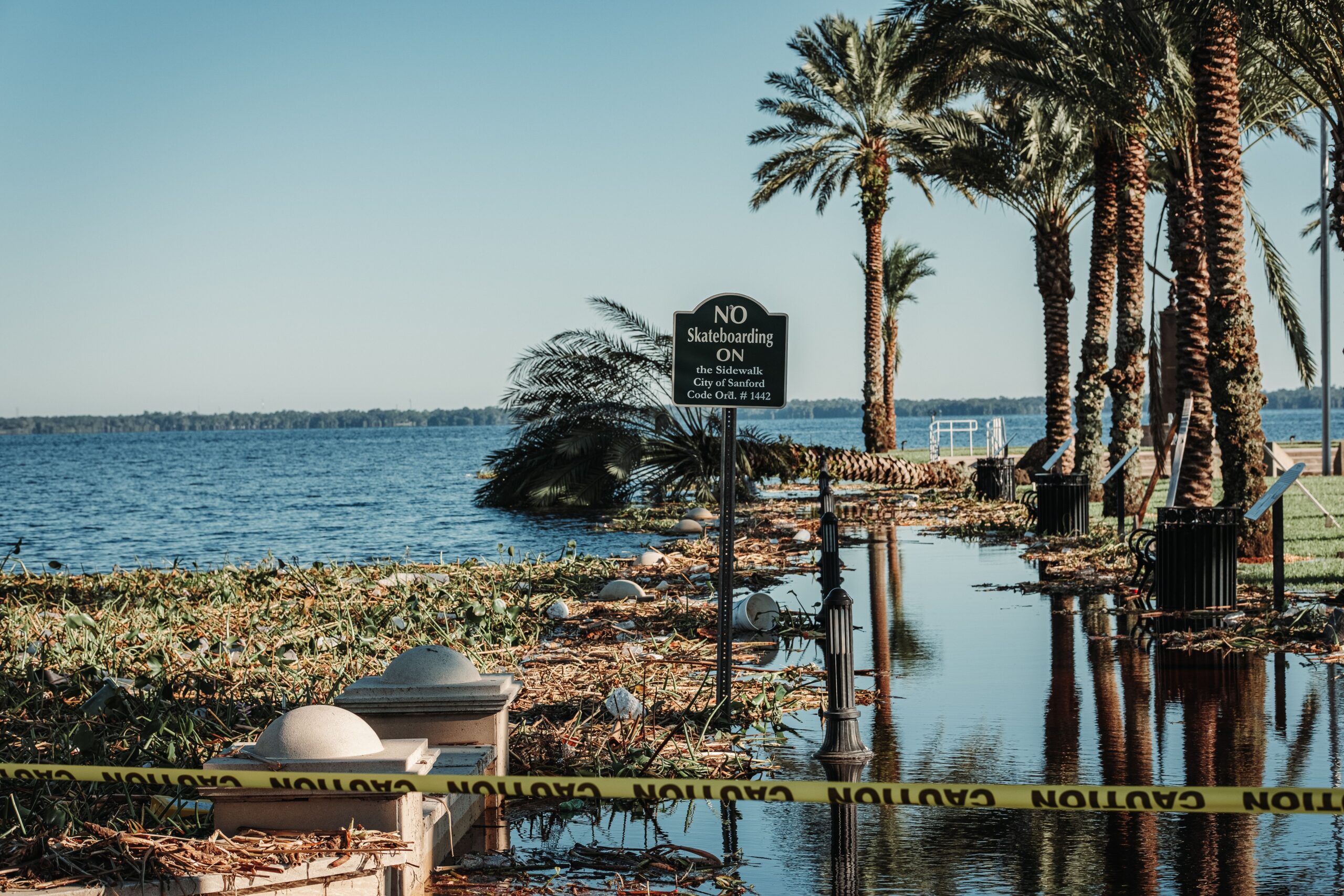
If First Street is Sanford’s living room, the lakefront is its backyard. The city’s RiverWalk runs nearly five miles along the southern shore of Lake Monroe and earned an international Making Cities Livable award in 2009. Its final phase links into the Florida Coast-to-Coast Trail and completes a 26-mile loop around the lake, so a morning walk can easily turn into a long bike ride.
Along the way you’ll pass Fort Mellon Park, Veterans Memorial Park and the downtown marina, where boaters have direct access to Lake Monroe and the St. Johns River. For residents, that means sunrise runs, evening strolls with the dog and the occasional airboat tour without ever getting on the interstate.
Getting Around
Commuters have an option that most small Central Florida towns can’t match. SunRail stops at a station on State Road 46, and a free city trolley runs the 2.7 miles between the platform and the historic downtown in about seven minutes. Interstate 4 and Orlando Sanford International Airport are both close by, which makes the city practical for people who travel for work or split time between Central Florida and somewhere colder.
What the Housing Market Looks Like Right Now
Here’s the part that tends to surprise newcomers. Movoto’s Sanford market trends put the median list price at $399,062 as of early November, essentially flat from a year ago, with homes listing at about $219 per square foot. Homes are averaging 81 days on the market, eight fewer than last year, and there were 630 active listings, including 23 that came on in the past week.
For context, the Orlando Regional Realtor Association reported a regional median sale price of $399,610 in September. That figure tracks closed sales across a broader area while Movoto’s reflects asking prices, so the two aren’t a perfect match. Still, it shows that Sanford’s historic downtown and waterfront come at roughly the going rate for the region rather than at a premium.
The typical Sanford home is also on the modest side, at about 1,757 square feet. That’s a good fit for buyers who would rather spend evenings on First Street than maintaining a big house.
Choosing the Right Part of Town
Sanford’s housing stock varies more than its median suggests. Just south of downtown, a residential historic district listed on the National Register in 1989 holds 434 homes built between 1886 and the 1920s, many of them Victorian and Craftsman houses under old oak canopies. Farther west toward I-4 and State Road 46, the homes tend to be newer, larger, and more conventionally suburban.
That spread is why it pays to search by neighborhood rather than price alone. When you browse homes for sale in Sanford, two listings at the same price can mean very different lives, one with a walk to dinner and the lake and one with a garage, a newer roof and a short drive to the train.
If an older home near downtown catches your eye, budget some time for homework. Century-old houses can carry original plumbing, wiring, and roofs that affect insurance and upkeep, and the city maintains locally designated historic districts with their own preservation rules, so check with the city before planning exterior changes.
Is Sanford Right for You?
Sanford makes the most sense for buyers who want character and a real sense of place without stretching for a luxury price tag. You trade some polish for authenticity, and in return you get a working downtown, a lake you can actually reach on foot, and a commuter train to Orlando.
The best way to know is to try it. Spend a Saturday at the market, walk the RiverWalk at sunset, and come back on a Tuesday night for dinner on First Street. If the place still feels like home when the weekend crowd has gone, you’ll know.
Comments
