


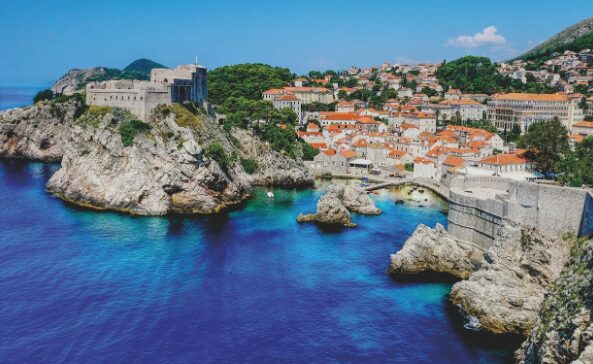
From the humid, sunny climate of Central Florida to the towering limestone cliffs and crystal blue waters of the Adriatic Sea, it’s a truly dramatic transformation. The number one destination on so many travelers’ bucket lists, Croatia has captured the hearts of millions and has become a hotbed for international tourism. Yet, the logistics involved in traveling between two continents from Florida require thoughtful planning to transform the dream into a reality.
There are a few key logistical layers that you’ll need to master in order to successfully transition from the Sunshine State to the Pearl of the Adriatic.
Secure the Best Flight Routing Options
Flying from Central Florida means your journey will begin at either Orlando International (MCO) or Tampa International (TPA). Unfortunately, there aren’t any direct commercial flights available from Florida to Croatia; you will need to include a minimum one-stop layover in Europe.
The best option would be to book your flight on a single ticket that includes a stop in a large European hub such as Frankfurt, London, or Amsterdam. Booking a single ticket guarantees that your luggage will transfer automatically and also provides some security against transatlantic delays that could cause problems when changing planes. Plan to arrive in Croatia in the early afternoon. This time frame is ideal because most European hotels allow guests to check in anytime after 2 pm, and you’ll still have enough daylight to get used to your new surroundings.
Choose the Right Shoulder Season Windows
The timing of your visit plays a significant role in how enjoyable your Croatian vacation will be. While July and August offer warm temperatures and long days of sunshine, they’re also the hottest months of the year with extreme heat waves, and extremely crowded due to the massive influx of tourists who visit Croatia via large cruise ships. Many of the historic walled cities along the coastlines are incredibly narrow and congested. Visiting Croatia during May, June, or September provides the perfect combination of pleasant temperatures, smaller crowds, and an abundance of tourist-friendly amenities. June is especially great for swimming since the Adriatic has already warmed up sufficiently and crowds have not yet reached their peak levels for the summer season. Visiting during these shoulder seasons will give you ample opportunity to enjoy the real local culture at a very relaxing pace.
Manage the Currency Transition Smoothly
In recent years, Croatia completed its transition to using the euro as its official currency. As such, you won’t encounter any of the difficulties exchanging different currencies during a multicity European trip. Credit cards are generally accepted throughout Croatia, including in luxury hotels, higher-end restaurants, and large grocery stores. That being said, you should always carry local currency with you. You’ll find that small bakeries, open-air markets, and even water taxis typically don’t accept credit cards. To avoid paying exorbitant fees when withdrawing money at an airport kiosk, take advantage of an ATM at your hotel or bank within minutes of arriving in Croatia to withdraw a small amount of local currency.
Master the Coastline Ferry System
While Croatia is known for having numerous beautiful islands, the primary transportation link connecting those islands is provided by its extensive coastline-based ferry system. Fast-moving catamaran-style ferries and larger car ferries operate regularly between ports such as Split, Hvar, Korčula, and Dubrovnik.
To guarantee your spot on these ferries, we highly recommend booking your ferry tickets well ahead of your actual departure date. Each vessel has a limited seating capacity, and popular morning departures tend to fill up rapidly. Having your ferry tickets loaded digitally on your smartphone or tablet will save you both time and frustration when boarding each vessel.
Pick the Right Coastal Base Camp
As with most vacations, seeing every corner of Croatia in ten days is practically impossible and may result in travel fatigue. Due to Croatia’s geographical layout, the country divides naturally into two distinct regions – northern Istria and southern Dalmatia. If this is your first-ever trip to Croatia, then selecting Dalmatia as your base location will provide you with the quintessential Mediterranean experience. Dividing your stay among a lively urban center, such as Split, and a historical southern port city like Dubrovnik will enable you to optimize your sightseeing opportunities while minimizing the frequency of packing and unpacking.
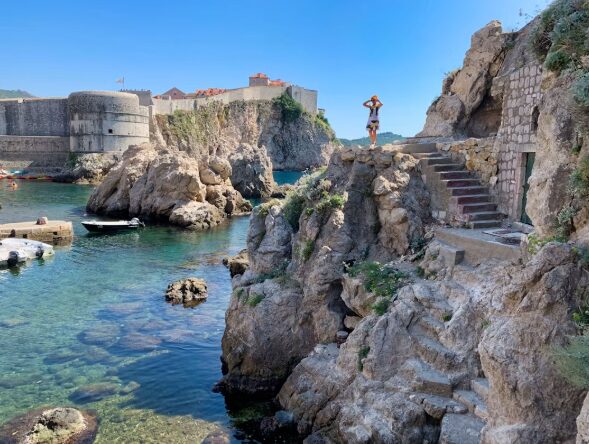
Navigate Old Town Dubrovnik Before Check-In
You will be amazed by the sheer beauty of historic old town Dubrovnik. Although it is visually stunning, navigating Old Town presents some unique initial challenges. The historic Old Town is entirely pedestrian-accessible only via steep limestone stairs or polished stone streets surrounded by monumental medieval walls. Hauling your heavy-wheeled luggage up dozens of stairs to a cliff-side apartment can drain your energy reserves quickly.
Using a reputable luggage storage service lets you drop your heavy bags securely near the Pile Gate or Ploče Gate immediately upon arrival. This leaves you entirely free to grab an espresso, wander the historic Stradun, and enjoy your first authentic gelato completely unencumbered while waiting for your host to prepare your room.
Understand the Rental Car Dynamics
Renting a car provides you with ultimate flexibility to explore gems like Plitvice Lakes National Park or hill-top villages in Istria. It provides flexibility that public buses simply cannot match.
Reserve a compact vehicle to make navigating narrow European streets and tight parking spaces much easier. Ensure your rental agreement includes a cross-border card if you plan to drive the coastal highway through the brief Bosnian corridor to reach Dubrovnik.
Respect the Local Coastal Etiquette
Croatians are extremely proud of their pristine marine environment and public areas. The local cultural norms blend together elements of laid-back Mediterranean lifestyles with strong respect for local communities’ standards. When transferring from beach locations to historic town centers, cover up appropriately with a shirt or sundress, as coastal towns strictly enforce dress codes away from the sand. Since many coastal towns enforce dress code regulations outside of beach areas. Adhering to local quiet hours in residential neighborhoods will provide you with a welcoming reception by locals.
Experience Fjaka – The Joy of Doing Nothing at All
Perhaps the greatest joy derived from experiencing Croatia is learning the Art of “fjaka” — an almost indescribable feeling where you’re completely content with doing absolutely nothing at all. Make space in your daily itinerary to spend hours at cafes overlooking the ocean, sipping drinks slowly while watching fishermen return from their day-long voyages; strike up conversations with vendors selling fresh seafood; let the rhythms of the Adriatic guide your own natural pace.
Your Adriatic Adventure Awaits
To plan a smooth trip to Europe, it is important to take care of the small, yet critical, logistical details before you leave the tarmac in Florida. Once you have booked your transportation between regions, planned your local transportation options, and taken care of the details of getting around on arrival day, you can enjoy an experience that will be remembered forever. With a rich history, unspoiled natural beauty, and friendly people, Croatia has something for every traveler and makes for an unforgettable visit.


Comments