


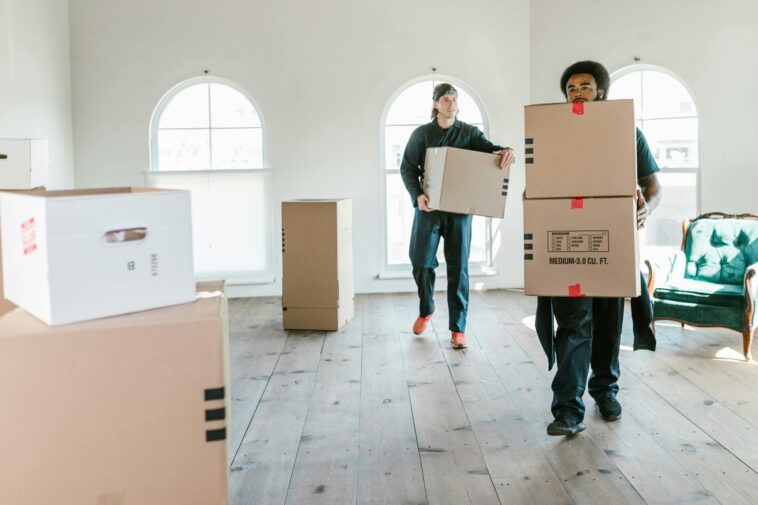
Moving is easier when families treat it like a project, not a weekend task. There are timelines, budgets, vendors, documents, utilities, school records, pets, children, and fragile items to manage.
The pressure is common. The U.S. Census Bureau reported that 11.8% of people in the United States moved to a different residence in 2024. Of those, 8.9% moved within the same state and 2.1% moved to a different state.
A stress-free move does not mean nothing goes wrong. It means the family has a system before problems appear.
Start With a Moving Timeline
A clear timeline reduces last-minute decisions. Most families need eight weeks to prepare well. More time helps if the move involves selling a home, changing schools, downsizing, or relocating across Florida.
Start with fixed dates. These include the closing date, lease end, school start date, mover booking, utility transfers, and final walkthrough. Then work backward.
Families selling a home may need a faster timeline. In some cases, sellers compare listing, repair, and direct-sale options, including local resources such as cash home buyers Jacksonville when they need to understand alternatives to a traditional sale. The key is to match the selling method to the family’s timeline, repair budget, and relocation needs.
A written schedule should include packing dates, donation pickups, document deadlines, and childcare plans. Keep it visible. A shared digital calendar works well.
Build a Room-by-Room Inventory
Inventory prevents confusion during packing and unpacking. It also helps families decide what should move, what should be sold, and what should be donated.
Walk through each room with a phone or spreadsheet. Record large furniture, electronics, fragile items, valuables, tools, sports gear, and seasonal storage.
Use categories:
- Keep and move
- Sell before moving
- Donate
- Recycle
- Discard
- Store temporarily
This process cuts moving volume. Lower volume can reduce labor time, truck space, and packing costs. It also stops families from paying to move items they no longer use.
Take photos of electronics before disconnecting cables. Photograph valuable items before packing. These records help with setup and insurance claims.
Control the Moving Budget Early
Moving costs can spread across many small decisions. Boxes, tape, deposits, fuel, insurance, storage, cleaning, repairs, childcare, pet boarding, and utility fees all add up.
Create a budget before booking vendors. Include direct and indirect costs.
Ask movers for written estimates. Confirm whether the quote is binding, non-binding, or not-to-exceed. Check what is included. Packing, stairs, elevators, long carries, heavy items, and storage may cost more.
Families should also keep an emergency buffer. A delayed closing, truck issue, or last-minute repair can create extra expense.
Declutter Before Packing
Packing clutter is one of the fastest ways to make a move harder. Families should declutter before buying supplies.
Start with low-emotion areas. Garages, linen closets, pantry shelves, laundry rooms, and bathroom cabinets are easier than photo boxes or children’s keepsakes.
Use short sessions. Thirty minutes per room can create progress without overwhelming the household.
Do not leave donation runs until the last week. Schedule pickups or drop-offs early. Large items need more time to remove.
Protect Important Documents
Documents should not go into the moving truck. Keep them in a portable folder or locked bag that travels with an adult.
Important documents include birth certificates, passports, medical records, school records, insurance papers, closing documents, vehicle titles, tax records, pet vaccination records, and medication lists.
Digital backups help, but originals still matter. Scan critical documents and store copies securely in cloud storage.
Families moving with children should request school transfer records early. Medical providers may also need time to prepare files or prescriptions.
Pack for the First 72 Hours
The first three days in a new home are usually messy. Boxes are everywhere. Furniture may not be assembled. Groceries may be limited.
A first-72-hours kit prevents frustration.
Pack one clearly marked container with:
- Toiletries
- Medications
- Chargers
- Paper towels
- Cleaning supplies
- Snacks
- Pet food
- Basic tools
- Change of clothes
- Bedding
- Important documents
- School or work essentials
Each family member should also have a personal overnight bag. This helps children feel more settled and keeps basics easy to find.
Plan for Children and Pets
Children and pets feel the disruption of moving even when they do not understand the logistics.
Keep routines stable where possible. Maintain meal times, bedtime routines, walks, and familiar comfort items.
For younger children, explain the move in simple terms. Show photos of the new home or neighborhood if available. Let them pack a small box of favorite items.
Pets need a safe space on moving day. Consider boarding, a pet sitter, or a closed room away from open doors and heavy foot traffic.
Update microchip records, ID tags, veterinary files, and local registrations after the move.
Coordinate Utilities and Address Changes
Utility timing affects comfort on move-in day. Electricity, water, internet, gas, trash service, security systems, and lawn services should be scheduled before arrival.
Do not assume internet installation will be available immediately. Book early if remote work, school, or streaming matters.
Address changes should include banks, insurance companies, employers, schools, medical providers, subscriptions, voter registration, vehicle registration, and delivery accounts.
Forward mail through USPS, but do not rely on forwarding alone. Update important accounts directly.
Manage the Home Sale Process Clearly
For families selling a home, communication reduces stress. Keep showings, repairs, appraisals, inspections, and closing tasks organized.
A traditional listing may involve staging, photography, online listings, open houses, and a visible real estate yard sign to help local buyers identify the property. These steps can support exposure, but they also require planning around family schedules.
If children, pets, or remote work make showings difficult, set showing windows. Keep one storage bin ready for quick cleanup.
Track repair requests and deadlines in one place. Missed details can delay closing.
Make Move-In Systematic
Unpack by function, not by excitement. Start with beds, bathrooms, kitchen basics, medications, pet areas, and work or school needs.
Do not unpack every decorative item immediately. Live in the space first. Watch how the family moves through the home.
Break down boxes as each room is completed. This reduces visual clutter and keeps progress visible.
A stress-free move comes from structure. Families need timelines, labeled boxes, protected documents, planned utilities, and clear communication.
The goal is not perfection. It is control. When families prepare in stages, moving becomes less chaotic and the new home feels functional faster.


Comments