


The furry children around us have long been not just pets, but real family members. Since they are family members, everyone hopes that they can always be healthy and be able to stay with them for a longer time. But there is a truth that many parents may not realize yet: the health of dogs actually starts with the mouth.
The smell that can be smelled in the dog’s mouth is actually invisible bacteria playing tricks behind it. Once these little things get into the gums and into the bloodstream, the heart and kidneys will eventually suffer. So, how to prevent it?
Next, this guide will share practical advice and explain scientific and relaxed methods to protect your dog’s teeth. With these approaches, your furry family member can enjoy a comfortable and longer life with you.
Is dental cleaning really necessary for dogs?
Many shoveling officers will have questions: If the dog gnaws on something every day, won’t the teeth be ground clean by themselves? Do you really need special cleaning?
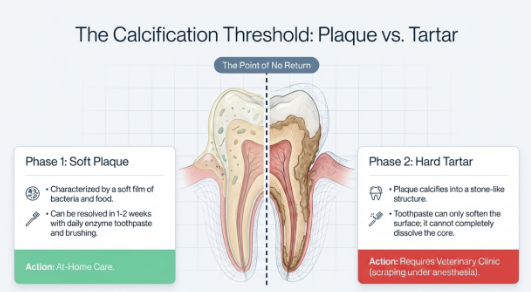
The answer is very necessary! Dogs have a lot of bacteria in their mouths, and after eating, food residues will mix with bacteria to form a sticky layer of plaque on the surface of the teeth.
If left uncleaned, plaque can slowly calcify and turn into hard tartar within 24 hours. Tartar will stick firmly to the teeth, causing not only bad breath, red and swollen gums, but also slowly eroding the gums. This can lead to the gums receding, exposing the roots, and ultimately causing the teeth to loosen and fall out.
More importantly, bacteria in the mouth can travel to the dog’s heart, liver, and kidneys through the bloodstream, causing inflammation throughout the body and potentially affecting the dog’s lifespan.
Veterinarian-Recommended Dental Care for Dogs
Brushing your teeth is recognized as the most effective way to clean your mouth. Veterinarians also recommend it.
1. How to brush your teeth scientifically?
Brushing your dog’s teeth is not just about rubbing its teeth twice; you must pay attention to the method so that it is clean and does not hurt the dog:
- Preparation: Choose a soft-bristled toothbrush or finger brush for dogs, and match it with pet-specific toothpaste. Never use human toothpaste. Fluorine, xylitol, and foaming agents in human toothpaste can be poisoned by dogs if they are ingested by mistake.
- Adaptation stage: Don’t rush to brush at first, let the dog smell the toothpaste first, squeeze a little on his finger and let it lick it, let it get used to the taste; Then gently rub the dog’s gums with your fingers to get it used to being touched in the mouth, practice several times a day, and use the toothbrush when the dog is completely relaxed.
- Correct technique: Let the dog lie on its side, put the toothbrush and gums at a 45-degree angle, and gently brush the outside of the teeth in small circles (dogs generally do not cooperate with brushing the inside; it is enough to brush the outside clean), focusing on brushing the back teeth, where it is most likely to hide tartar.
- Frequency requirements: It is best to brush once a day, at least 3-4 times a week, to effectively prevent plaque.
- Reward mechanism: After brushing your teeth, be sure to give your dog treats, toys, or praise, so that it can associate brushing with happy things, and slowly it will not resist.
2. What is the 2-2-2 rule?
The 2-2-2 rule is the gold standard for dog oral care recommended by vets and is super simple and easy to remember, helping you easily remember the key points of care:
- 2 minutes: Brush your teeth for at least 2 minutes each time to ensure that each tooth is clean and not hasty.
- 2 times / day: Ideally, brush your dog’s teeth twice a day, once in the morning and once in the evening, to remove plaque to the greatest extent.
- 2 months: Take your dog to the pet hospital for an oral check-up every 2 months to detect and treat gum problems early, so as to avoid small problems from becoming serious diseases.
3. What is the 3-3-3 rule in dentistry?
The 3-3-3 rule is a common principle of care in the field of dentistry, and it also applies to dogs, helping you establish a complete closed loop of care:
- 3 minutes: The total duration of each oral treatment is not less than 3 minutes, giving the cleaning ingredients enough time to act.
- 3 times / week: If you can’t brush your dog’s teeth every day, do deep cleaning for your dog at least 3 times a week, with dental cleaning products to maintain oral health.
- 3 months: Give your dog a professional dental cleaning every 3 months to remove tartar that has formed and prevent periodontal disease from worsening.
How Do You Clean a Dog’s Teeth Without Brushing Them?
Brushing your dog’s teeth is not a simple task, and if your dog resists brushing, you can use alternatives: using dental care products recommended by your veterinarian or adjusting your dog’s diet will be a good option.
1. Dog dental care products
| Product Type | Mechanism | Suitable Scenarios |
|---|---|---|
| Dental Wipes | Physical wiping + antibacterial ingredients, cleans outer tooth surfaces | Dogs resistant to brushing, puppies / senior dogs |
| Dental Gel / Spray | Enzyme-containing formula breaks down plaque and inhibits bacteria | Dogs with difficulty brushing, sensitive mouths |
| Water Additive | Added to drinking water, inhibits bacteria and freshens breath all day | Dogs that completely resist oral handling |
| Dental Chew Treats / Toys | Chewing friction removes plaque, physical cleaning | Dogs of all ages, especially heavy chewers |
| Prescription Dental Food | Special kibble texture + antibacterial formula, clinically proven to reduce dental disease | Dogs prone to periodontal disease, resistant to other methods |
2. Core criteria for product selection
- Prioritize VOHC-certified products to ensure effectiveness.
- Avoid human oral products containing xylitol and fluoride to prevent dog poisoning.
- Gel/spray should be selected with a pet-specific enzyme formula instead of ordinary disinfectant ingredients.
3. Natural food therapy
Many owners prefer holistic natural remedies that utilize the physical friction and antibacterial properties of natural foods for dental cleaning:
- Coconut oil: Contains lauric acid, which helps fight oral bacteria.
- Carrots and apples: The crunchy texture helps to physically clean teeth.
- Parsley: A natural breath freshener.
All of the above foods can assist you in cleaning your teeth, while also providing your dog with the vitamins the body needs, killing two birds with one stone.
Care in the Clinic
When to see a pet doctor?
Many times, we always think that as long as the dog is still eating, it is fine, but they are really masters of enduring pain. Once some losses are caused, they cannot be recovered by brushing their teeth.
If your dog shows these signs, contact your veterinarian immediately:
The taste in the mouth has changed from smelly to rotten.
This taste usually means that bacteria have taken over the depths of the gums.
Red and swollen gums or even atrophy
You will find that the dog’s teeth seem to have become longer, but in fact, the roots of the teeth are exposed, which is very painful.
Sudden swelling of the face
This may be a severe apical abscess, where bacteria are even attacking its mandible.
Eating becomes careful
For example, food keeps falling out, or suddenly refuses to nibble on your favorite hard snacks.
Specialized services provided by the hospital:
These are the professional operations that we cannot replace at home with any product:
- Dental X-ray: Detects hidden dangers below the gum line that are not visible to the naked eye.
- Deep cleaning under general anesthesia: Only after anesthesia can the doctor thoroughly clean the old dirt in the periodontal pocket and polish the teeth.
- Ultrasonic dental cleaning: Use professional frequencies to shatter hard stone-like tartar, which is both clean and does not damage tooth enamel.
- Endodontic treatment/extraction: Timely removal of unsaved bad teeth to prevent infection from attacking the heart or kidneys along the bloodstream.
Summary of Care Plan
| Care Level | Operation Content | Frequency |
|---|---|---|
| Daily Home Care | Brushing / Teeth-cleaning wipes / Gel / Mouthwash | Once daily, at least 3 times a week |
| Auxiliary Cleaning | Chew treats / toys, prescription dental food | Daily |
| Professional Medical Care | Dental scaling | Every 3–6 months |
| Daily Home Care | Brushing / Teeth-cleaning wipes / Gel / Mouthwash | Once daily, at least 3 times a week |
Conclusion
Protecting the oral health of dogs actually affects their quality of life. A good tooth can make it eat meat and have fun in the days to come, and the key to keeping them by our side for a long time is health. This is the meaning of our insistence on nursing.


Comments