



Orthodontic treatment is one of the more recurring family healthcare decisions in Central Florida. The local population includes a steady inflow of new families relocating from elsewhere, a long school year that runs August to May with treatment-friendly summer windows, and a well-established orthodontic-care infrastructure across Orlando, Winter Park, Apopka, Lake Mary, and the surrounding Seminole and Orange County suburbs. The families who do the homework before scheduling the first consultation tend to land at meaningfully better outcomes than those responding to a referral from the family dentist alone.
Central Florida parents approaching the orthodontic conversation benefit from understanding the local market. The kind of full-treatment service delivered by Sun Orthodontist and other Central Florida orthodontic practices has standardised on a recognisable framework of consultation, treatment-plan documentation, and family-friendly scheduling that local families can lean on. The treatment options have expanded in recent years to include traditional braces, clear aligners, and accelerated-treatment protocols, the cost structure varies meaningfully across practices, and a few hours of preparation before the first visit usually pays back across the 18-to-30-month treatment cycle that follows.
Why Does Orthodontic Care Look Different in Central Florida?
The first thing to understand is that Central Florida’s family population, school calendar, and orthodontic-care market combine into a regional context that shapes the decision differently than other parts of the country.
The factors that shape Central Florida orthodontic decisions:
- The school-year calendar. Orange County Public Schools, Seminole County Public Schools, and Lake County Public Schools run a similar August-to-May calendar with summer break opening a useful window for the more-disruptive early treatment steps.
- The provider density. The Orlando metro and the surrounding suburbs have one of the higher concentrations of orthodontic practices in Florida, which produces real choice on both treatment style and pricing.
- The relocating-family pattern. Central Florida sees steady inbound moves from the Northeast and Midwest, and many families arrive mid-treatment from a previous orthodontist. The local practices have developed clear transfer-of-care processes for these families.
- The teen-and-pre-teen age range. Most orthodontic treatment in the region begins between ages 9 and 14, with a smaller adult-treatment cohort that has been growing as clear-aligner technology has matured.
A definition useful here: orthodontic treatment is the dental specialty that diagnoses, prevents, and corrects misaligned teeth and jaws using fixed appliances (traditional braces), removable appliances (clear aligners, expanders, retainers), or surgical-orthodontic combinations for severe cases. The treatment timeline typically runs 12 to 30 months depending on the case complexity, followed by retention.
The decision also intersects with the broader local healthcare field that Central Florida families work through, the same framework that appears in this look at the woman next door is a survivor profile, where the recurring theme is how local families access and choose care providers across the long horizon of family medical decisions. The same considered approach Central Florida families bring to broader healthcare decisions extends to the orthodontist evaluation framework parents work through when a child reaches the right age for treatment.
Family wellness in Central Florida shows up across activities and across longer-horizon health decisions, including the Central Florida orthodontist decision that most parents face for a child or teenager at some point during the school years.
What Should Central Florida Families Look For in an Orthodontist?
A short checklist for evaluating practices before the first consultation:
- Board certification with the American Board of Orthodontics. ABO certification signals additional clinical examination beyond the standard orthodontic residency.
- Licensed, current Florida-state credentials. The Florida Board of Dentistry licensing record is publicly verifiable; a practice in good standing with no recent disciplinary actions is the floor.
- A treatment-plan-in-writing process. The good practices produce a written treatment plan after the consultation, including the diagnosis, the recommended approach, the alternative approaches and trade-offs, and a clear cost breakdown.
- Multiple treatment-modality options. Traditional braces, clear aligners, and self-ligating systems each suit different cases. A practice that defaults all patients to a single modality is less likely to be matching the modality to the patient.
- Clear pricing and payment-plan disclosure. Total treatment cost in Central Florida typically runs 4,500 to 7,500 dollars for traditional braces and 4,000 to 8,500 dollars for clear aligners. The good practices offer interest-free payment plans across the treatment timeline.
- Reasonable proximity to home or school. The typical orthodontic schedule includes 8 to 14 routine visits across the treatment cycle, plus emergency visits for broken brackets or wires. A 15-to-30-minute drive from home or school is more sustainable than a 45-minute one.
The American Association of Orthodontists maintains the broader patient-education framework that families can pair with the local-practice evaluation, including the treatment-options overview and the parent-questions guide that addresses the most common pre-consultation concerns. The American Dental Association also publishes general dental-care standards that families can reference for the routine-check side of the picture.
What Common Mistakes Do Families Make Around the Orthodontist Choice?
A short list of recurring mistakes that surface in Central Florida orthodontic consultations:
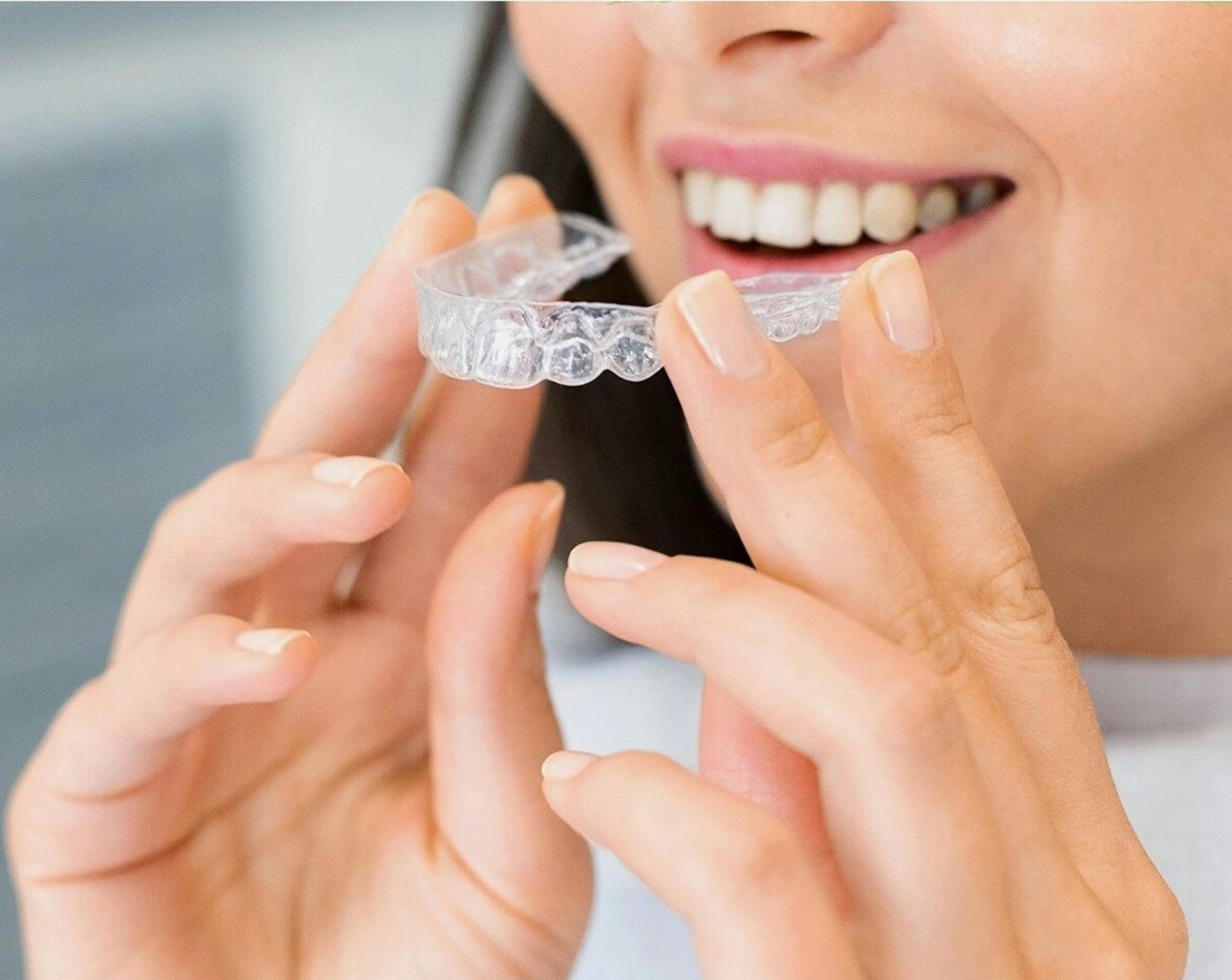
Alt text: A teenager smiling with orthodontic braces
- Choosing on price alone. The cheapest practice in the area is rarely the right one. The price-quality relationship in orthodontics is real, particularly at the diagnostic and treatment-planning level where the experienced orthodontist’s judgment shapes the eventual outcome.
- Skipping the second-opinion consultation. Families who consult with one practice often miss the variation in treatment approach across providers. A second consultation produces a comparison point that meaningfully improves the decision.
- Underestimating the time commitment. Traditional-braces treatment requires 8 to 14 in-chair visits across 18 to 30 months; clear-aligner treatment requires fewer in-chair visits but more parent oversight on aligner-wearing compliance. Matching the treatment style to the family’s actual schedule capacity matters.
- Not asking about teen-versus-adult-treatment differences. Adult orthodontic treatment runs longer and follows a different protocol than adolescent treatment because of the bone density and growth-plate factors. Practices that treat adolescents and adults as the same patient group are less precise on the diagnostic side.
- Forgetting the post-treatment retention plan. Retention is the make-or-break step that preserves the treatment outcome. Practices that do not specify the retention plan in the original treatment-plan document sometimes leave families with relapse 5 to 10 years later.
- Skipping the local-Florida insurance check. Florida-specific dental insurance plans (Delta Dental Florida, Florida Blue Dental, etc.) cover orthodontic treatment differently. Confirming the in-network status and the orthodontic-benefit cap before signing prevents surprise out-of-pocket costs.
The same family-wellness mindset that drives Central Florida readers to consider activities like the puppies-yoga wellness experience in Orlando extends to the longer-horizon health decisions parents make for a child or teen, including the orthodontic-care decision and the routine dental visits that surround it.
When Should Central Florida Families Schedule the First Consultation?
The age-based timing of the first consultation shapes the eventual treatment plan more than most parents realise.
Standard timing benchmarks:
- Age 7 first screening. The American Association of Orthodontists recommends an initial screening at age 7 to identify any early-intervention needs. This is a screening, not a treatment commitment.
- Phase-one treatment ages 7 to 10. A small subset of children benefit from early treatment to address specific issues (severe crowding, crossbite, thumb-sucking habits). Most children do not need phase-one and proceed directly to full treatment.
- Full treatment ages 11 to 14. This is the most common treatment window, when most permanent teeth have erupted and the jaw growth is still cooperative.
- Adult treatment any age. Adult orthodontic treatment is now well established with clear aligners, lingual braces, and traditional metal braces all viable. The diagnostic and treatment-planning differences are real but the outcomes are often comparable.
Frequently Asked Questions From Central Florida Families
How much does orthodontic treatment typically cost in Central Florida?
Traditional braces typically run 4,500 to 7,500 dollars for full treatment; clear aligners run 4,000 to 8,500 dollars depending on case complexity. Most practices offer interest-free payment plans across the 18-to-30-month treatment cycle. Many dental insurance plans cover a portion (typically 1,000 to 3,000 dollars lifetime orthodontic benefit).
Are clear aligners as effective as traditional braces?
For most cases, yes. Clear aligners (Invisalign, ClearCorrect, and similar systems) handle the majority of orthodontic cases comparably to traditional braces. Severe rotations, significant bite corrections, and certain complex cases still favour traditional braces. The orthodontist’s diagnostic judgment on case suitability matters more than the technology choice itself.
How does orthodontic treatment fit around the school year in Central Florida?
Most Central Florida orthodontic practices schedule the more-disruptive treatment milestones (initial banding, debanding, mid-treatment adjustments that cause soreness) during summer break, spring break, or winter break to minimise school disruption. Routine adjustment visits run 6 to 8 weeks apart and typically take 15 to 30 minutes, fitting around school schedules without significant disruption.
What happens if our family relocates mid-treatment?
Most Central Florida practices have transfer-of-care processes for families relocating to or from the area. The receiving practice typically reviews the original treatment plan, the progress to date, and the remaining treatment phases, then takes over the case. Mid-treatment transfers are common enough in Central Florida that the local practices have developed clear processes for handling them.
A Final Note for Central Florida Families Choosing an Orthodontist
The orthodontic decision is one of the longer family healthcare commitments parents make for a child or teen, and the Central Florida market rewards the family that does the homework in advance rather than the family responding to a referral without comparison shopping. The families who research multiple practices, attend more than one initial consultation, ask about treatment-plan documentation and retention plans, and confirm the insurance coverage before signing tend to land at meaningfully better outcomes across the 18-to-30-month treatment cycle than families who pick the first practice the family dentist mentions. The marginal effort of preparation is small. The marginal benefit shows up across the treatment cycle, the retention years, and the long-term result the family lives with for the rest of the child’s life.


Comments