


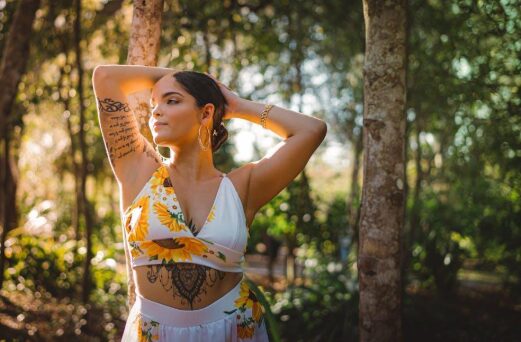
Summer in Central Florida isn’t like summer anywhere else in the US. The humidity sits above 70 percent for months, afternoon thunderstorms arrive like clockwork, the UV index runs extreme, and the transition from air-conditioned indoors to brutal outdoor heat happens every 15 minutes. Generic summer wardrobe advice doesn’t work for these conditions. The clothing that keeps you comfortable at a Midwest summer picnic is miserable at an Orlando street fair in August. That’s where crop tops become genuinely useful: the right crop top in the right fabric is one of the few pieces that handles Florida’s specific summer challenges gracefully.
What separates Florida-friendly crop tops from generic fast-fashion crops is mostly fabric and construction. A cotton-blend crop with breathable weave and structured but flexible fit outperforms a synthetic crop even at the same price point. Retailers that curate season-and-climate-appropriate collections like cute crop tops save shoppers the work of filtering through synthetic-heavy inventory to find the ones that work in humid climates. Here’s the Florida summer daily styling guide for actually wearing crop tops well in Central Florida summer.
Why Do Generic Crop Top Guides Fail in Florida?
Three climate factors that change the styling math.
Humidity makes fabric matter more. A polyester crop that’s fine in dry Arizona summer becomes clingy and uncomfortable in Florida humidity within 20 minutes. Fabric choice is the first filter before any style consideration.
UV exposure requires more coverage than expected. Florida’s UV index runs 10-12 on typical summer days. Extended outdoor time in a strappy crop creates visible sunburn patterns. Structured straps, half-sleeves, and higher necklines solve more than they look like they should.
Indoor-outdoor cycling creates a layering problem. Air-conditioned spaces in Florida run aggressive (65-68°F). Going from 92°F humid street to 65°F ice-cold restaurant in 10 seconds makes a crop top without a layer option uncomfortable both ways.
Sudden rain is guaranteed. Florida afternoon storms arrive within 15 minutes and leave within 30. Crop tops that absorb and hold moisture feel unbearable after. Quick-dry fabrics or strategic cover-ups solve this.
What Fabrics Work Best for Florida Summer Crops?
Fabric choice is the single most important filter. The ranked hierarchy:
- Cotton (100% or cotton-dominant blends). Breathes, absorbs sweat without clinging, dries in reasonable time. The workhorse.
- Linen. Best for structured crops; breathable, dries fast, gets better with wash cycles. Wrinkles visibly but wrinkles are seasonally acceptable.
- Cotton-modal blends. Softer than pure cotton with good moisture management. Slightly more expensive but worth it for daily wear.
- Rayon/viscose. Drapes beautifully but can lose shape in humidity. Choose structured-fit styles rather than flowy cuts.
- Cotton-spandex blends (90/10 or similar). Good for fitted crops that need to hold shape; breathes better than pure synthetic.
- Avoid: 100% polyester, heavy synthetic blends, satin finishes. These don’t breathe and feel worse through a Florida summer day. Sustainable-fabric research groups like Cascale (formerly the Sustainable Apparel Coalition) track how fibre choices interact with long-term garment performance, which maps loosely to the warm-climate wearability question.
Weather-appropriate clothing guidance correlates directly with National Weather Service heat-safety resources. UV index forecasts drive not only sunscreen decisions but also structure-of-garment decisions for people spending real time outdoors.
How Should Crop Tops Be Styled for Different Florida Settings?
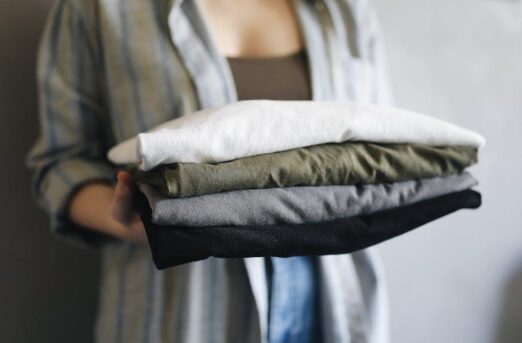
Context shifts the appropriate crop style.
Daytime at outdoor events (markets, festivals, farmers markets). Higher-neckline crops with half-sleeves or cap sleeves. Paired with high-waisted shorts, skirts, or wide-leg linen pants. Practical closed-toe sandals; fashion sneakers are also fine.
Beach or poolside. For summer outdoor outfit planning, choose a flowier crop over swimwear. Lighter fabrics; matching colors or intentional contrast. Straw hat and sandals complete it.
Date night or going out. Fitted crop in solid color or structured print. Paired with midi skirt or high-waisted wide-leg pants. Heeled sandals or block heels. Lightweight jacket or shrug for air-conditioned restaurants.
Theme parks (Disney, Universal, SeaWorld). Durable cotton crop with supportive fit. Longer crop lengths (below ribcage) for 12-hour wear. Shorts with stretch for long walking. Closed-toe sneakers only.
Work or business casual (where appropriate). Structured crop in solid neutral, paired with high-waisted tailored pants or midi pencil skirt. Covered sleeves or cap sleeves. Heeled loafers or low heels.
Evening outdoor events (sunset receptions, rooftop bars). Slightly dressier fabric (silk-blend, charmeuse) paired with high-waisted trousers or midi skirt. More polished accessories.
Style retrospectives like Kentucky Derby styles through the decades offer a useful reference point for how occasion-dressing has evolved; the principles translate to modern Florida summer wear.
How Do You Handle Sun Protection With Exposed Midriff?
Sun protection requires more planning when there’s more exposed skin.
Apply sunscreen 30 minutes before sun exposure. Full upper body coverage, especially shoulders, chest, and lower back which often get missed.
Reapply every 2 hours. Even with “waterproof” sunscreen, Florida humidity and sweat break down coverage faster than indicated.
Wear a structured hat. Wide-brim or trucker-style hats protect face and shoulders. Paired with a crop top, the hat adds visible sun protection that strappy sunglasses can’t.
Consider UPF-rated shirts as a backup. For extended outdoor time (beach days, long events), a UPF 50+ cover-up pulled on during direct-sun stretches prevents problems.
Seek shade intentionally. Florida’s outdoor venues usually have shade options; using them preserves skin health and crop-top comfort through longer days.
What’s the Best Way to Layer Crop Tops?
Layering extends the crop top’s usefulness across Florida’s indoor-outdoor cycles.
Lightweight linen jacket or shrug. Thrown on for air-conditioned restaurants or sunset outdoor events. Natural fiber matters; avoid synthetic jackets.
Kimono or cover-up. For beach-to-lunch transitions. Also works as impromptu sun cover when shade isn’t available.
Oversized button-up shirt. Worn open over the crop top. Particularly good for outdoor-to-indoor transitions; rolls up to the same outdoor look easily.
Cardigan for chill-inside venues. Lightweight cotton cardigan for extreme air-conditioning situations (theaters, offices, restaurants that run cold).
Denim jacket for evening. Florida evenings cool modestly; a light denim jacket works for sunset-onward wear.
What Activities Fit Central Florida Crop-Top Outfits?
Central Florida’s outdoor calendar is year-round but summer crop tops pair well with specific activities:
- Outdoor farmers markets (Winter Park, Audubon Park, Mills 50)
- Rooftop evening venues (downtown Orlando)
- Beach days (New Smyrna, Cocoa, Daytona)
- Theme park visits (with proper footwear and sun protection)
- Boat or kayak days (springs, lakes, Intracoastal)
- Food truck evenings (Food Truck Crazy, Festivals Orlando)
- Outdoor concert venues (Amway Center plaza, Lake Eola bandshell)
Pairing these activities with the Central Florida budget-friendly outdoor attractions list gives structured excuses to wear the summer wardrobe.
What Are the Common Florida Crop-Top Mistakes?
Choosing synthetic fabrics. 100% polyester crops are cheap, widely available, and miserable after 20 minutes in Florida humidity.
Under-layering for air conditioning. Going from 92°F street to 65°F restaurant without a cover-up causes both comfort and style fails.
Over-doing it on sun protection. Four accessories (hat, sunglasses, jacket, crossbody) on top of a simple crop outfit overwhelms the look.
Wrong crop length for the activity. Ultra-short crops at theme parks ride up; longer crops are both more comfortable and more activity-appropriate.
Forgetting the rain plan. A 15-minute afternoon thunderstorm can ruin a delicate crop. Quick-dry fabrics or umbrella-access matters.
What to Remember
- Fabric trumps style for Florida summer crops; cotton, linen, cotton-modal blends are the reliable base
- Structured straps and higher necklines protect against UV better than strappy styles
- Layer planning for indoor-outdoor cycling prevents discomfort in aggressive air conditioning
- Length matters by activity: longer crops for theme parks and work, shorter for date nights or beach
- Rain planning matters; 15-minute afternoon storms are guaranteed most summer days
The Bottom Line on Florida Summer Crop Tops
Florida’s summer climate is demanding, but crop tops built right can actually be one of the most practical pieces in a summer wardrobe. Cotton or linen fabric, structured enough to handle humidity, long enough for activity comfort, and paired with thoughtful layering for the inevitable air-conditioning transitions is the combination that delivers. Add proper sun protection and a rain contingency and the same crop top handles theme parks in the morning, air-conditioned lunch, afternoon pool time, and sunset dinner without a full outfit change. That’s what makes crop tops a Central Florida summer staple rather than a one-occasion piece.
Frequently Asked Questions
What crop top length works best for Florida summer?
Mid-crop (hitting just below the ribcage) works across most activities. Ultra-cropped styles work best for short-duration outdoor wear; longer crops (above waist) handle theme parks and work contexts better.
Can I wear a crop top to a nicer Orlando restaurant?
In the right fabric and pairing, yes. Silk-blend crop with high-waisted trousers reads polished enough for most non-fine-dining venues. For upscale restaurants, lean toward a dressier top style rather than crop.
How do I pick between cotton and linen for my first Florida summer crop?
Cotton for all-purpose daily wear; linen for specific-occasion crops (rooftop dinner, garden party). Cotton holds up better through repeated wear; linen looks better when it’s at its best.
Does Florida humidity actually damage crop tops over time?
Yes, especially synthetic or synthetic-blend fabrics. Natural fibers (cotton, linen) handle humidity better but still show wear; expect to replace Florida-worn crops more often than crops worn in drier climates.

Comments