


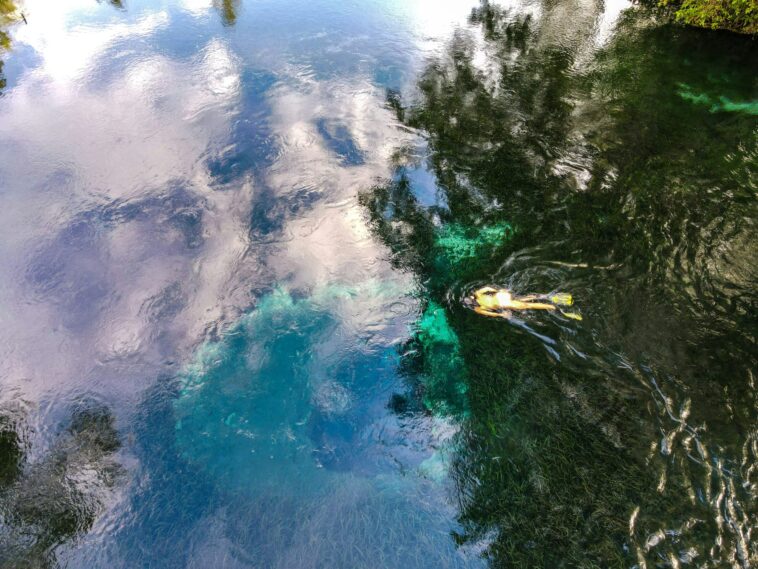
As the weather continues to heat up and summer comes around, beaches and waterparks are expected to be popular spots for Florida residents and tourists. While they are a great option, the springs in the Orlando area offers a similar experience. But how did they come to be some of the top destinations in the area?
Rock Springs Run State Reserve
Rock Springs Run is an 8-mile long river that separates Rock Springs Run State Reserve and Wekiwa Springs State Park northeast of Apopka, according to Florida State Parks. The spring is a part of a larger spring system, the Wekiva River Basin. The birth of the park happened in March 1983 after its land was purchased for habitat reservation and watershed protection.
Native Americans thrived in the area due to its variety of wildlife until the arrival of the Spanish in 1513, according to State Parks. Within 200 years, the Native Americans were displaced. According to Florida State Parks, since the 1920s the area has been widely known for logging, the process of cutting, transporting and processing trees for wood.
Some notable species in the area include: Florida black bear, Florida scrub jay, sandhill crane, indigo snake, and gopher tortoise according to Florida State Parks.
Activities that are offered at the reserve include: bicycling, camping, canoeing, geo-seeking, hiking, horseback riding, mountain biking, and wildlife viewing.
Rock Springs Run State Reserve is open from 8 a.m. to 6 p.m. year-round.
Fees:
- Admission fee: $3 per vehicle (up to 8 people per vehicle)
- Admission fee: $2 fee for pedestrians, bicyclists, extra passengers, or passengers with an Annual Individual Entrance Pass
- Camping fee: $5 per person per night
Wekiwa Springs State Park
Only 25 minutes from downtown Orlando, guests can enjoy the relaxing Wekiva River or Rock Springs Run at the Wekiwa Springs State Park. Trails that stretch to 13 miles are available to hikers, bikers, and horseback riders, according to Florida State Parks.
From 8500 BC to the 1800s, early Indians are believed to be the first residents of the area until they were forced out. The area was then primarily used for milling and farming until the Civil War. After the war, tourism numbers spiked, which brought the industrialization of hotels and other attractions to the spring. The Great Depression halted these operations in the 1930s.
In 1941, the Apopka Sportsmen’s Club bought the property from Wilson Cypress Company for recreational use. In 1969, the state of Florida bought the park to use as a state park and has since been opened up to visitors in 1970.
The reservation hosts 215 species of animals according to Avibase. Some notable species include: northern bobcat, wild turkey, nighthawk, osprey, manatees, and bald eagle.
Effective Sep. 2, 2025, reservations are now required for day-use entry designed to make the experience “hassle-free” according to the manager’s message on its website. The park is open from 8 a.m. to sundown year-round.
Activities that are offered at the park include: bicycling, camping, geo-seeking, fishing, hiking, horseback riding, picnic, paddling, snorkeling, swimming, and wildlife viewing.
Fees:
- Admission fee: $6 per vehicle (up to 8 people per vehicle)
- Admission fee: $4 single-occupant vehicle
- $2 fee for pedestrians, bicyclists, extra passengers, or passengers with an Annual Individual Entrance Pass
- Camping fee: $24 per night plus tax, plus a nonrefundable $6.70 reservation fee and a $7 nightly utility fee for RV, cabin, bungalow, boat and yurt units. (Utility fee does not apply to tent camping.) Utility fee includes water and electricity.
- Florida residents who are 65 years of age or older or who hold a Social Security disability award certificate or a 100% disability award certificate from the federal government are permitted to receive a 50% discount on current base campsite fees. Proof of eligibility is required.
- Primitive Camping: $5 per person per night, plus tax
- Organized Youth and Adult Group Camping: $1 per youth per night, plus tax; $5 per adult chaperone per night, plus tax.
De Leon Springs State Park
De Leon Springs Park was once called Acuera or “healing waters” by the Mayaca Indians. The park, located in Volusia County, offers clear waters and trails through its forest for visitors, according to Florida State Parks.
Natives known as Mayaca lived in the area for at least 6000 years until the Spanish were established in the area in the late 1500s. Spain granted land to U.S. citizens in 1783, starting with William Williams who enslaved Africans across 2,020 acres of the area according to Florida State Parks. He named the property Spring Garden Plantation.
The plantation became more developed with cotton and sugar cane over the years. During the Civil War, the spring was used to turn corn into flour with a sugar cane mill and grist mill.
Its first water-powered sugar mill was made in 1832, but then destroyed by Seminole Indians after they attacked the plantation in 1835. The Seminoles were driven out two years later by troops under General Zachary Taylor, and a new mill was rebuilt in 1849 to produce cotton and sugar.
The plantation then known as Spring Garden became a tourist destination in the 1900s. A steamboat and railroad system provided transportation. To attract more tourists, its name was changed to Ponce de Leon Springs and the spring was called the Fountain of Youth. The property was a private recreational prak until 1982 when the state of Florida and Volusia County bought 55 acres of land that became De Leon Springs State Park. The park is now 625 acres.
Some notable species that reside in the area include: alligator, gopher tortoise, wood stork, indigo snake, manatees, and bald eagle.
Activities that are offered at the park include: boating, fishing, hiking, paddling, picnicking, scuba diving, snorkeling, swimming, canoeing, and wildlife viewing.
The park is open from 8 a.m. to 4 p.m. year-round. The Old Sugar Mill Pancake House, open from 8 a.m. to 4 p.m., is also located at the park where visitors can make their own pancakes and other breakfast items right in front of them.
Fees:
- Admission fee: $6 per vehicle (2 to 8 people per vehicle)
- Admission fee: $4 single-occupant vehicle
- Admission fee: $4 motorcycle
- Admission fee: $2 pedestrian, bicyclist, and extra passengers
Adventure awaits at these alternative locations for outdoor experiences. The history of each spring brings more insight to how they became tourist destinations and why they are still being preserved today. Check out more information about springs in Florida here.



Comments