
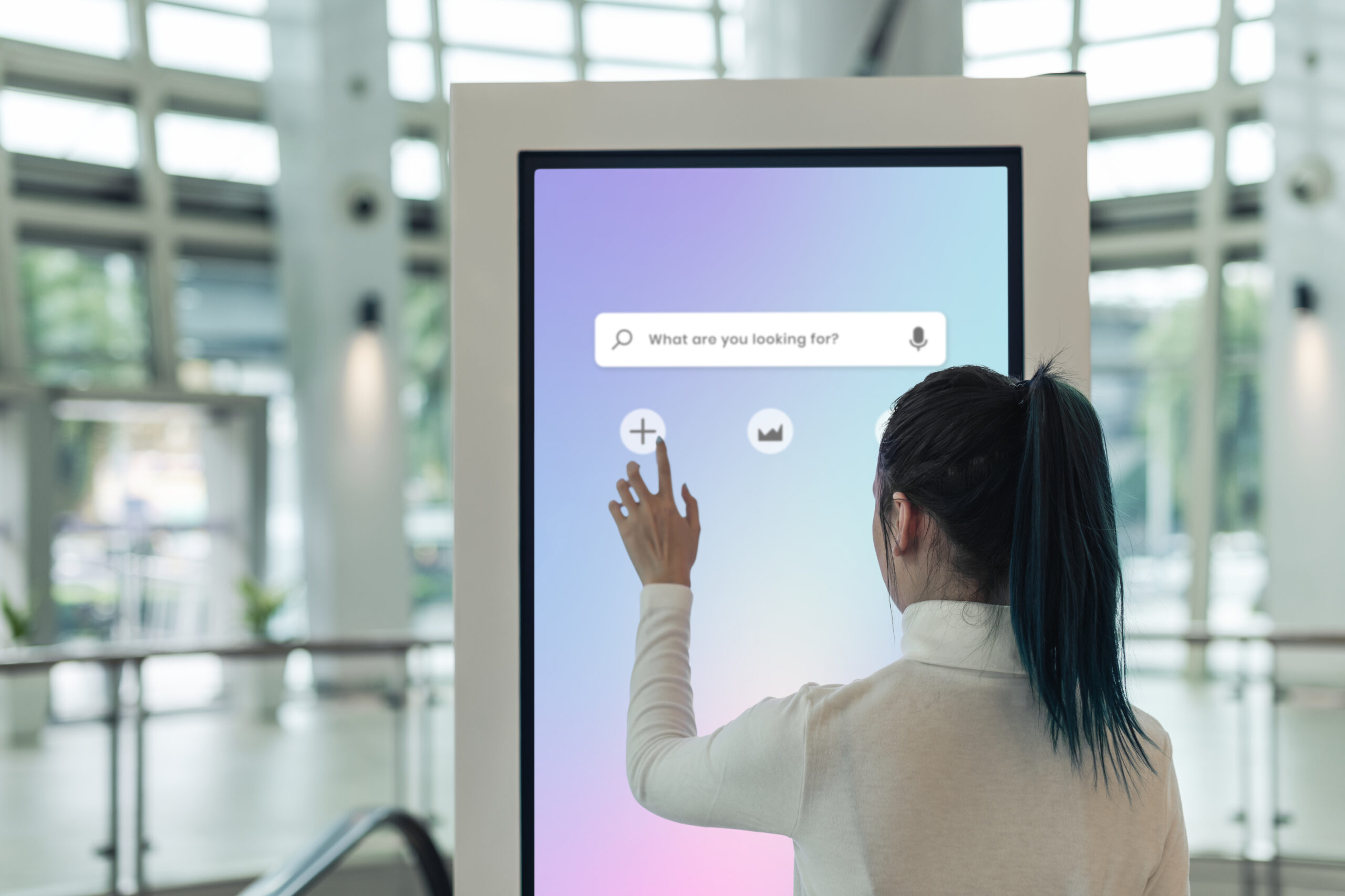
Digital signage in 2025 is moving away from static screens and stepping into rich, live experiences that truly hold attention. There’s a clear shift to hyper-personalization, smart automation, and hands-on content built by a mix of new technologies.
This change is reshaping how companies share info, involve customers, and run day-to-day tasks, making digital signage a key tool for any modern team. Screens are now part of responsive spaces that adapt to each person, helping brands build stronger connections and memorable moments.
As brands look for fresh ways to stand out in a constantly changing market, digital signage offers real power. It takes more energy to catch eyes and build real relationships each day, and advanced signage leads the way. From AI that changes content on the fly to sharp 8K screens and touch-free controls, 2025 trends are built to create engaging, personal experiences.
This matters a lot in healthcare, where clear communication and patient care are key. For example, dental clinic digital signage uses these ideas to improve patient visits, speed up info sharing, and create a warmer setting.
AI and machine learning are changing how businesses connect with people, making screens smarter, flexible, and more personal. New display tech brings amazing images and works in more places than before. Going green is also a big focus, with energy-saving screens and recycled materials cutting waste and power use.
The biggest trend is simple: bring the customer into the brand story. Digital signage in 2025 does this by pulling people into digital moments that match a brand’s values and purpose.
What Are the Top Digital Signage Trends in 2025?
In 2025, digital signage is moving past basic info boards and becoming a core part of interactive customer experiences. Different technologies are coming together to make screens smarter, faster to react, and more engaging. AI is driving personalization, while new displays push the limits of sharpness and flexibility.
The big push is to build a “phygital” model that blends physical spaces with digital touchpoints. Screens are no longer just background; they take part in each step of the customer journey with custom content, live feedback, and striking visuals. From boosting brand visibility to streamlining workflows, these trends are shaping how people share information in both public and private places.
AI-Driven Content Personalization and Automation
AI sits at the core of digital signage in 2025, powering new levels of personalization and automation. AI systems can read live data-like audience type, location, time, and even general mood-to show content that fits the viewer.
For example, a mall screen can spot broad demographic cues and instantly switch to relevant product offers. This often raises engagement and makes ad spend work harder.
AI also automates content work. Machine learning can predict behavior, fine-tune schedules, and even help create content from data. This cuts manual updates, letting teams focus on strategy while keeping messages fresh and effective. Mixing smart scheduling with AI insights to target the right crowd is a major win for businesses.
Augmented Reality (AR) and Immersive Experiences
AR and VR are now standard parts of digital signage in 2025. These tools change how businesses meet customers by layering digital content onto real spaces. In retail, AR helps shoppers try on clothes or glasses virtually, or see how a sofa fits at home-right from a display or a phone.
Signs can kick off AR moments when someone points a phone or AR glasses at them. This creates rich, interactive scenes people remember. From maps in museums to fun, game-like booths at trade shows, AR and VR push what digital messaging can do and blend real life with digital layers.
Advanced Display Technology: MicroLED, 8K, and Transparent Screens
Screens are getting major upgrades in 2025, with better visuals and wider use cases. MicroLED shines with brighter output, vivid color, and deep blacks. These tiny LEDs deliver great image quality, use less power, and are showing up in busy places like stadiums and malls where clarity matters most. As prices drop, more brands can offer high-end visuals while cutting energy costs. Solutions such as Look Digital Signage help companies manage and showcase this new generation of display content more efficiently across multiple locations.
Also, 8K LEDs are becoming common for big events and luxury sites. The super-high resolution draws viewers in and makes images look real. Transparent LEDs are spreading in retail and fashion. Placed on storefront glass, it grabs attention without blocking the view inside, gives a futuristic vibe, and can lift interest and sales.
Touchless and Voice-Activated Interactivity
With ongoing attention to hygiene and speed, touchless and voice control are widely used in 2025. People expect live info and easy ways to interact, and these tools let them do it without touching screens. Motion and proximity sensors plus cameras read gestures and body position so users can move through menus or find items with a simple wave.
Voice control takes this further. Voice-ready displays answer questions, share details, or even help with buying-no touch needed. This hands-free flow is natural and smooth, which helps in airports, museums, and stores. Touchless setups, sometimes with haptic feedback, are becoming standard and improve safety and convenience.
Sustainable and Energy-Efficient Signage Solutions
Sustainability is a growing focus for digital signage in 2025, in step with global eco goals and company responsibility plans. Businesses are picking energy-saving screens and recycled materials to cut impact. LED screens with low power draw are now common, keeping visuals bright while lowering bills and emissions.
Manufacturers are adding recycled plastics, metals, and glass into builds, which lowers e-waste. Solar-powered units are rising too, especially outdoors at bus stops and street ads, reducing the need for grid power. Light sensors that change brightness based on surroundings help cut energy use even more, making digital signage a greener choice.
5G Connectivity and Real-Time Data Integration
Wider 5G use is reshaping digital signage in 2025. Faster speeds and lower lag mean smooth streaming of high-res content and live data updates. This supports dynamic content that shifts in the moment based on events, weather, traffic, or social trends.
Sports venues can post live scores or replays without delay, while roadside screens can swap messages based on the local crowd. Banks can show up-to-the-minute market data without hiccups. With 5G, AI-driven content and instant updates become much easier, making screens more flexible and useful.
Programmatic and Dynamic DOOH Advertising
Digital out-of-home (DOOH) is seeing strong growth in 2025 thanks to programmatic buying and dynamic content. Programmatic tools buy and place ads automatically using live data, so networks show the most relevant content at the best moment. Static schedules are fading, replaced by content that changes based on foot traffic, weather, time, or social buzz.
For example, a mall screen might push ice cream on hot days and shift to coats when it’s cold. Tying programmatic buying to audience analytics makes signage more responsive and more effective. With 5G and mobile tech, brands can even send targeted messages to phones along with signage, building a two-way link with people nearby.
Security and Privacy Innovations in Digital Displays
As signage becomes smarter and works with personal data, security and privacy stay top concerns in 2025. Screens can be targets for hackers, so the focus is on blocking threats and protecting data. New steps include strong encryption, secure cloud networks, and advanced login rules for content tools.
Compliance with rules like GDPR and CCPA also shapes this space. Companies are improving transparency and ethics in how they use data for personalization. That means anonymizing data when possible and collecting clear consent where needed. Protecting screen networks and viewer privacy stays a high priority, with features like two-factor logins and regular password changes now standard.

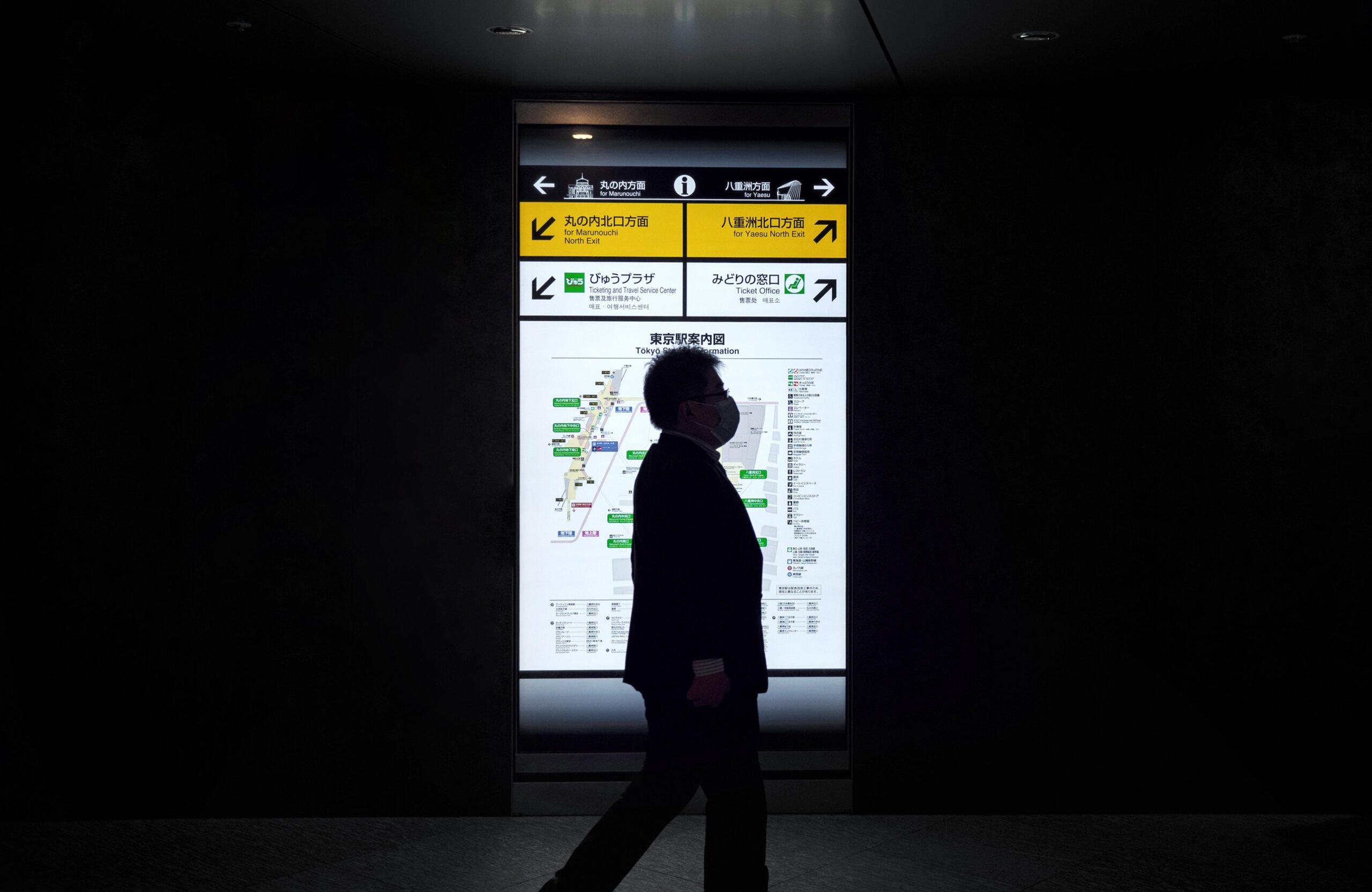
How Does AI Change Digital Signage in 2025?
AI isn’t an add-on; it changes how digital signage works from end to end in 2025. It powers content ideas, delivery, audience response, and results tracking. AI and machine learning can process huge data sets in real time, which leads to new levels of personalization and better operations. Screens shift from one-way messages to smart, adaptive platforms.
AI makes displays feel smarter and more personal, changing how brands and customers interact. This helps companies stay ahead at a time when people expect content that fits their needs and interests. AI turns signage into a live tool that reacts to the moment.
Personalized Content Targeting Specific Audiences
One of the biggest wins from AI is precise, personal content. By reading live data like audience type, place, time, and behavior, AI helps signs show content that matches the viewer. For example, a store display can spot broad demographic traits and instantly show deals that match likely interests. This helps messages reach the right people at the right time and can lift engagement and results a lot.
AI in 2025 can also read general mood signals with on-device cameras and sensors to fine-tune what appears. A sign might switch tone if someone looks stressed or upbeat, aiming for a more helpful exchange. This deep level of personal fit builds satisfaction and tightens the bond between viewers and brands.
Predictive Analytics for Improving Engagement
AI also brings forecasting power. Machine learning models can predict behavior and schedule content ahead of time. They can pick the best moment to show certain promos so messages land when interest is highest. For example, a quick-service restaurant board might highlight best-sellers at lunch based on past data and live traffic.
These data-led choices make signage more effective. Predictive tools can also react to outside signals like weather. If rain starts, the screen can switch to hot drinks or umbrellas. This planning helps deliver timely, useful content and makes the best use of every pixel.
Automated Content Creation and Scheduling
AI cuts workload by helping create and schedule content. Cloud signage tools with AI let teams design, manage, upload, and schedule content for many screens from one place. You can set campaigns weeks or months ahead, keep everything in sync, and avoid manual swaps.
AI can also suggest layouts, auto-build visuals from templates, and pull in data to keep content fresh. This helps small and mid-sized teams produce lively screens without heavy design skills. Automation can trigger changes based on live events, stock levels, or social trends, so the content stays relevant and engaging.
Which Display Technologies Are Shaping the Industry?
Display tech drives visual impact, and in 2025 this area is moving fast. Screens now offer higher brightness, richer color, and sharper detail, plus new shapes and sizes for creative installs. These advances are about more than looks; they also improve readability, power use, and the overall viewer experience.
New displays help brands deliver vivid visuals in many settings-from busy public venues to small shops. The goal is to raise clarity and flexibility so content stands out and works well wherever it’s shown.
MicroLED Versus OLED: Key Differences
MicroLED is rising fast in 2025 and often outperforms OLED for signage. OLED (Organic Light-Emitting Diode) is known for perfect blacks and strong colors thanks to self-lit pixels, but it can suffer burn-in with static images-a common need for signage-so it may not suit always-on use.
MicroLED uses tiny inorganic LEDs. It brings higher brightness, vivid colors, and deep blacks like OLED but resists burn-in, lasts longer (often close to a decade), and uses less power. While it still costs more, prices are falling, and it’s becoming the pick for high-traffic places that need long-lasting, high-quality screens.
| Feature | MicroLED | OLED |
| Brightness | Very high | High |
| Black levels | Excellent | Excellent |
| Burn-in risk | Very low | Higher with static content |
| Lifespan | Long | Shorter |
| Power use | Lower | Higher |
| Cost (2025) | Higher but falling | Moderate |
8K and Ultra-HD for Visual Clarity
Demand for ultra-sharp content is driving wide use of 8K in 2025. With people used to 4K at home, they expect sharp images in public too. 8K has four times the pixels of 4K, which boosts realism and holds attention, especially on large screens.
This level of detail shines at concerts, stadiums, and luxury malls. Banks and public agencies can use 8K to show data and charts that stay crisp and easy to read both up close and far away. As costs drop, 8K will reach more sites and set a new bar for premium signage.
Transparent, Flexible, and Rollable Displays
New screen forms unlock creative installs. Transparent LED is popular in retail and fashion, mounted on storefront glass to show eye-catching visuals without blocking the view inside. It pulls in passersby and fits well in museums and trade booths too.
Flexible and rollable screens open options for curved walls, windows, and built-in fixtures. These light panels are great for pop-ups or tight spaces. Rollable screens that wrap around a core-like a movie screen-make transport and setup fast. Curved LED is also growing in hotels, airports, and malls to build immersive spaces with bold shapes and lighting.
What Role Does Interactivity Play in 2025’s Digital Signage?
In 2025, interactivity is expected. People want more than a passive view; they want quick info and simple ways to take action. New tools make this smooth, often without touching the screen, which fits current habits around hygiene and ease.
As systems get smarter, interactivity turns screens into two-way hubs. Users can guide their own path, which makes content more helpful, memorable, and effective.
Touchless Interfaces: Sensors, Cameras, and Gesture Control
Touchless tech became standard in recent years and remains common in 2025. Motion and proximity sensors plus cameras let people interact through gestures and body movement without direct contact.
Users can move through menus, check products, or find info with a wave or point. This is especially useful in busy places like stations, museums, and stores. Touchless setups also improve access for people with disabilities and speed up interactions for everyone.
Voice Recognition Integration
Voice control is changing how people use screens by keeping interactions hands-free and simple. With assistants like Alexa or Google Assistant, users can ask for details, find items, or even buy with their voice. A shopper can request product info or deals and get an answer right away.
Airports and transit centers can share gate changes or directions by voice. Voice pairs well with gesture control for a smooth flow and makes content more accessible to more people.
Mobile Integration and QR Code Use
Bringing screens and phones together is a key part of interactivity in 2025. QR codes are back in a big way since they are easy to use and work without touch.
Scanning a code lets users grab apps, maps, routes, product details, or play games for rewards. This carries the experience to the phone, where people can explore on their own time. Mobile web apps can also let users control on-screen elements or open extra content, turning a quick glance into a deeper session.
How Is 5G Connectivity Changing Digital Signage?
Widespread 5G isn’t just a speed boost-it’s reshaping digital signage in 2025. Think of it as a fast lane for data that brings high speed, strong reliability, and low lag. That mix supports dynamic content, instant updates, and interactive features across large networks.
In short, 5G powers the data-heavy, smart, and immersive experiences that are becoming normal this year. It lets content move fast so screens can react to what’s happening around them and who’s watching.
Faster Content Delivery and Real-Time Updates
One big benefit of 5G is quick content delivery and live updates. With high bandwidth, it streams high-res video and rich media without buffering. Brands can push new campaigns or urgent alerts across all screens right away, so information stays current.
A retailer can refresh promos across all stores in seconds for consistent timing. Transit hubs can post delay or arrival changes with no lag, giving travelers the info they need right when they need it. This speed makes signage far more responsive.
Scalability for Large-Scale Networks
5G also makes it easier to run big networks with many locations. Better speed and stability let teams control and update large fleets from a central place without slowdowns. This helps global brands and smart city projects running hundreds or thousands of displays.
Teams can play high-definition video or run interactive scenes in many places at once without worrying about limited bandwidth. This supports larger rollouts and lowers maintenance effort.
Enhanced Bandwidth for Interactive Experiences
Extra bandwidth and low lag are key for advanced interactivity. AR scenes, live games, and complex touchless features need fast data to feel smooth. 5G gives these apps the speed they need to work well.
Interactive signs linked to cloud data can fetch and show info almost instantly, making the flow feel natural. 5G also helps pull in live feeds like weather, stocks, or event updates, making content richer. Combined with AI, it opens the door to smart predictions where screens adjust based on live signals.
Why Is Sustainability a Priority for Digital Signage?
In 2025, sustainability is a major focus across industries, and signage is part of that shift. Companies want to cut impact, lower costs, and meet the values of eco-aware customers. Demand for greener signage is rising fast.
Using sustainable screens and practices improves brand image, speaks to eco-minded buyers, and supports the planet. The goal is to build visual tools that work today without hurting tomorrow.
Energy-Efficient Screens and Hardware
Energy-saving screens and parts are a core piece of green signage in 2025. Makers are building displays that use less power while staying bright and clear. This includes LED backlights, low-power modes, and MicroLED panels that naturally draw less energy.
Smart sensors help too. They can dim screens based on room light or turn them off if no one is nearby, keeping visibility good while cutting power use. For example, outdoor boards can dim at night or on cloudy days to save energy and still stay readable. Lower power needs also mean smaller bills.
Recycled and Eco-Friendly Materials
Going green also means changing the materials in screens and mounts. More brands now use recycled plastics, metals, and glass. This lowers demand for new resources and reduces e-waste.
Some makers are even testing bio-based or biodegradable parts to support a circular economy. By picking displays made with better materials, companies help reduce landfill waste and show real care for the environment.
Reducing the Environmental Impact of Installations
Green efforts cover the full lifecycle-from setup to upkeep. Lighter, thinner screens need less mounting material and are easier to move, which cuts fuel use during shipping.
Foldable or rollable LEDs can remove the need for heavy steel frames in temporary builds, lowering labor and material use. Cloud control also means fewer on-site visits and less hardware in the field. Modular designs and repairable parts help extend life and make recycling easier at the end.
What Are the Challenges in Digital Signage Security and Privacy?
As signage becomes more connected and data-driven in 2025, new security and privacy risks appear. Live data, audience insights, and cloud links can open doors to threats if not handled well. Keeping content safe, protecting viewer data, and securing networks are key jobs for teams running these systems.
Handling these risks matters for uptime, trust, and meeting rules. The industry needs to work through this tricky area with strong tools and clear ethics.
Safeguarding Audience Data
AI-powered analytics can read basic demographics, behavior, and mood signals, which raises privacy questions. While this supports personal content, it calls for tight data protection. Companies must make sure any data from cameras, sensors, or phones is used responsibly. This means anonymizing when possible, encrypting data, and limiting access.
The goal is to use personalization without putting people at risk. Be clear about what is collected, offer opt-outs, and use the data only to improve the experience-not for hidden tracking or sharing. A privacy mistake can hurt a brand fast, so data care must come first.
Securing Cloud-Based Signage Networks
Cloud-powered signage brings flexibility and scale but also a bigger target for attacks. Protecting these networks from break-ins, leaks, and malware is a key task in 2025. Teams need strong cybersecurity, including encryption for data moving and stored, multi-factor logins, and regular security checks.
Vendors should make the cloud setup resilient against denial-of-service and other threats. Routine updates and patches are a must to close gaps. Hybrid models that mix cloud with on-prem systems are popular too, keeping sensitive content local while still allowing remote control.
Compliance with Data Privacy Regulations
Working through changing data laws like GDPR and CCPA is another big challenge. These rules set strict limits on how personal data is collected, used, stored, and shared. Signage systems must stay fully compliant to avoid fines and protect reputation.
Key steps include getting consent when needed, writing clear privacy notices, and giving people ways to access or delete their data. For global networks, different regional rules add extra work. So legal teams and data officers are now part of most signage plans to keep innovation in balance with legal and ethical duties.
How Are Different Industries Using Digital Signage Trends?
The trends of 2025 touch many fields. Retail, transit, public hubs, and schools all shape these tools to fit their needs. Digital signage helps share info, guide people, and create better experiences. Each sector uses these advances to improve operations, lift satisfaction, and stay competitive.
This wide use shows how flexible modern signage is. It can turn many types of places into interactive, informative spaces that people enjoy and remember.
Retail: Personalized Ads and Interactive Wayfinding
Retail leads the charge in 2025, using AI to serve personal offers that react to the audience and even the weather. A screen might push umbrellas when it rains or show styles that match the age group walking by.
Interactive wayfinding helps shoppers move through big stores with touchless tools or QR codes, drawing lines to departments or items. AR adds value too, from virtual try-ons to in-room previews for furniture. These tools raise engagement, improve sales, and make shopping smoother.
Transportation and Public Spaces: Real-Time Information
Airports, train stations, bus hubs, and public spaces rely on digital signage in 2025 to share live updates and keep traffic moving. With 5G, screens post current schedules, delays, and service changes right away so passengers stay informed. Kiosks with voice and gesture help with directions to gates, platforms, or services.
Beyond updates, public screens also entertain during waits and share community news or alerts. Smart cities use them for traffic info, public service messages, and interactive maps. Outdoor-ready displays with high brightness keep content readable in sun, rain, or snow.
Hospitality and Education: Improved Engagement
Hotels and schools also gain from these trends. Hotels use screens for lobby visuals, digital concierge help, and menu boards. Guests can see welcome notes, event times, and local tips, often linked to phones with QR codes.
Schools use signage for campus news, schedules, alerts, and group learning. Interactive screens in classrooms and libraries support collaboration and give easy access to digital resources. High-res displays and rich content can make lessons more engaging and modernize learning spaces.
Best Practices for Adopting Digital Signage Trends in 2025
Putting these trends to work in 2025 takes more than buying new screens. You need a plan that covers hardware, software, content, accessibility, and privacy. The goal is to build a setup that works well, is easy to manage, and can grow over time.
Follow clear steps to avoid common mistakes and build spaces that are lively, interactive, and informative. A smart approach helps you get strong results today and keep pace with change tomorrow.
Choosing the Right Hardware and Software
Picking the right gear and tools is key. Start by mapping your needs and audience. For hardware, think about display type (MicroLED for impact, 8K for sharpness, transparent for retail), durability outdoors, and power use. You should invest in commercial-grade screens made for 24/7 use-consumer TVs will fail under those loads. Also check processing power if you plan complex interactive or AR features.
For software, pick a cloud CMS with flexible remote control and strong scheduling. Look for AI features for personalization and automation. The software should support live data feeds and plug into other systems. Hardware-agnostic platforms add flexibility and help you stay ready for future changes. A clear, easy editor helps teams update content quickly without deep technical skills.
Future-Proofing Your Investment
Tech moves fast, so plan for change. Choose scalable, adaptable tools and open standards when you can. Aim for hardware with modular parts or upgrade paths that let you add new tech later without a full swap. For example, investing in 8K now-even if you do not need it right away-can keep visuals sharp for years.
Software should be flexible, with strong APIs to connect new AI models or AR tools as they arrive. Also look at vendor track record, support, and roadmap. A steady partner who keeps pace with change will help you stay current and protect your spend.
Staying Compliant with Accessibility and Privacy Standards
As interactivity and data use grow, meeting accessibility and privacy standards is both smart and required. Your digital signage should follow accessibility rules (such as ADA), especially for interactive parts. Add options like voice input or gestures, adjustable text and contrast, and features that help people with different abilities understand content.
On privacy, with AI-led personalization and analytics, you must comply with laws like GDPR and CCPA. Use data anonymization, secure storage, and clear privacy notices. Tell users about data collection and offer consent and opt-out choices. Pick platforms with secure cloud design and strong authentication. By taking accessibility and privacy seriously, you build trust, reduce legal risk, and show that your tech choices are responsible.