

 Marlene Wagner
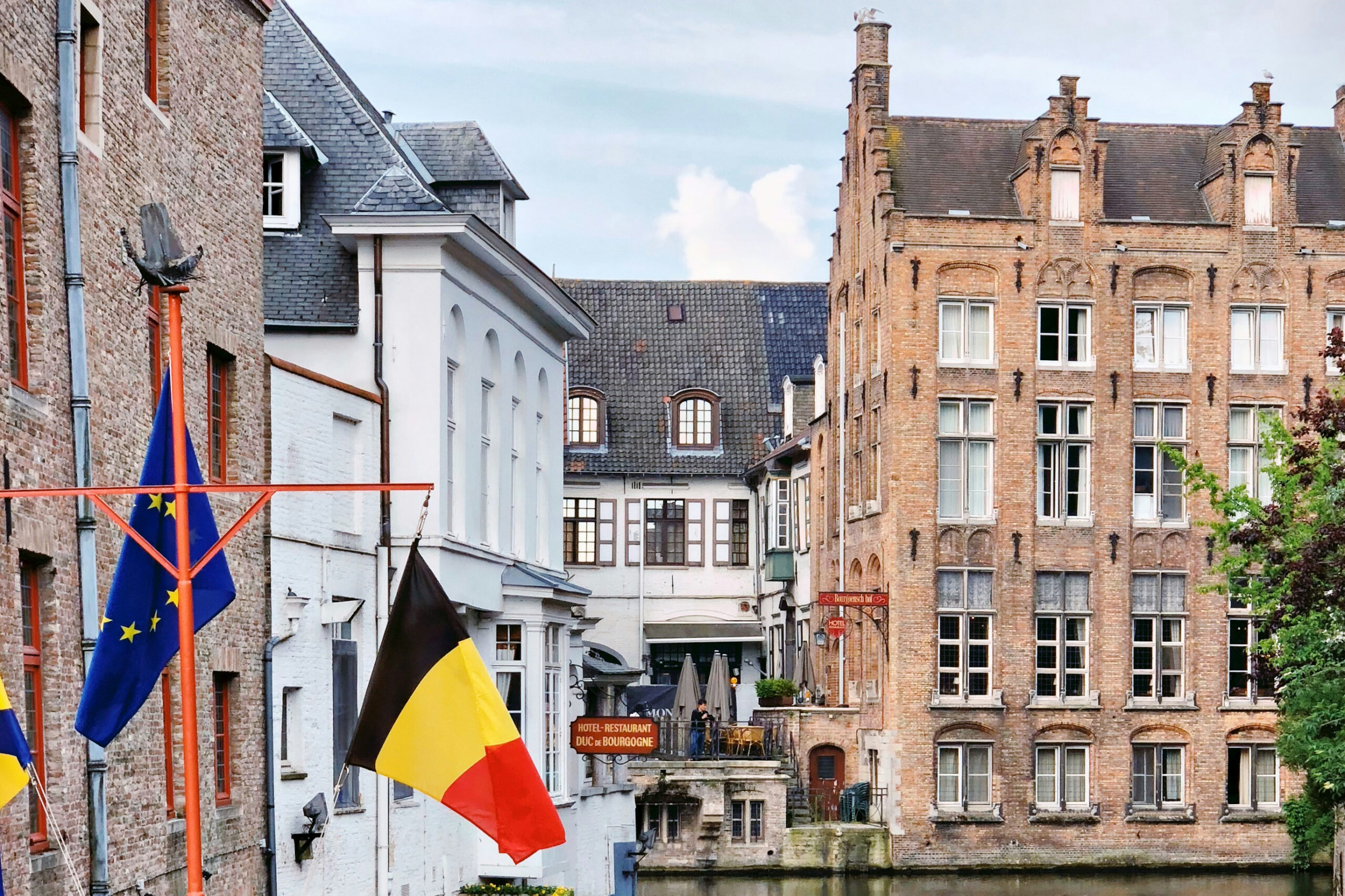
Belgium looks compact on a map. From a distance, it appears manageable. Three official languages, strong infrastructure, central access to European markets. Many international companies enter assuming that French and English will cover most communication needs. That assumption usually changes the moment they begin operating in Flanders.
The Economic Weight of Flanders and flemish translation services
Flanders drives a large share of Belgium’s economic activity. Ports, logistics networks, industrial production, technology firms. It is not a peripheral region. It is central to how business moves in the country.
Companies that expand into northern Belgium often begin reviewing flemish translation services once contracts, compliance documents, and public communications require regional accuracy. Dutch from the Netherlands may seem interchangeable at first glance. In practice, vocabulary, phrasing, and regulatory terminology differ enough to be noticeable.
That difference becomes visible in formal documents. Public tenders, supplier contracts, HR policies. When language feels imported rather than locally aligned, partners pick up on it. It does not cause a crisis. It creates hesitation.
Rapid Translate provides structured support for companies that need consistency in Flemish documentation. In cross-border environments, predictability matters more than stylistic flair.
Federal Structure and Legal Sensitivity
Belgium operates through a layered federal system. Regional authority affects how laws are applied and interpreted. In certain contexts, language versions of documents carry weight beyond simple communication.
Contracts executed by organisations located in Flanders may specify requiring the use of corresponding Flemish versions based on regional definitions. Legal differences cannot be relaxed. A standard English sentence may need to be carefully constructed, however, such that the intent is still preserved when rendered into Flemish.
Constraints associated with public procurement put greater pressure on NGOs doing business through public tendering processes. Potential suppliers / vendors may first be judged for credibility based solely on language precision before consideration of any commercial attributes.
Public Sector Expectations
In public sector engagement, documentation that reflects local language standards signals preparation. Review committees notice consistency. They also notice when translation feels rushed.
Consumer Trust and Digital Visibility
Flanders has high English proficiency, particularly in urban and tech sectors. That does not eliminate the importance of Flemish in consumer communication.
Billing policies, warranty terms, data protection disclosures. These documents shape how customers interpret risk and responsibility. When operational documents remain in English while marketing appears localized, the disconnect becomes visible.
Search visibility is another layer. Flemish content improves local search relevance. Companies expanding into Belgium sometimes underestimate this dynamic. Language affects discoverability, not only clarity.
Marketing tone matters too. Flemish audiences respond to communication that feels regionally grounded. Translators who understand this nuance adjust phrasing subtly. The difference is not dramatic, yet it influences perception.
Internal Alignment and Workforce Integration
Going into Flanders usually means hiring (at least in part) locally. Employment contracts, workplace policies, compliance documents… Although English is often used at work, formal documentation will often require Flemish versions regardless. Keeping internal documents consistent will help avoid confusion. Human Resources departments benefit when there is consistent terminology in both English and Flemish materials. Aligning terminology can create mistrust as to what rights & responsibilities are.
Rapid Translate helps companies develop structured documentation workflows for all language combinations. Companies with operations in other countries must work hard to maintain alignment between their internal documentation and administration will be simpler if there are standard materials in all languages.
The Subtle Gap Between Dutch and Flemish
Many companies initially treat Dutch and Flemish as interchangeable. Linguistically they share a base. Regionally they differ in tone and certain expressions.
Business communication in Flanders carries its own rhythm. Direct imports from the Netherlands can feel slightly off. That slight difference accumulates over time.
Professional Flemish translation accounts for these nuances. It adjusts vocabulary and phrasing so documents sound regionally appropriate rather than generically Dutch.
Wider Implications Beyond Language
Language in Belgium connects to identity and governance. In Flanders, regional language reflects cultural and political history. Companies that acknowledge this through careful translation demonstrate awareness of context.
This awareness influences long-term positioning. Regulatory interactions move more smoothly. Partnerships develop with fewer linguistic corrections. Employees feel documentation reflects their environment.
Conclusion
Belgium may appear compact, yet its linguistic structure carries operational consequences. In Flanders, Flemish translation affects contracts, compliance, consumer trust, and internal communication.
Language precision in this context shapes credibility. It influences how companies are perceived by regulators, partners, employees, and customers.
In a market where regional identity remains strong, small linguistic decisions have strategic impact.

Comments