
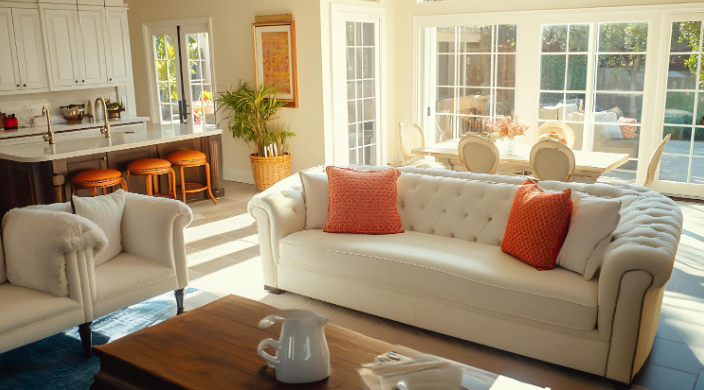
Moving into a new home always feels like a fresh start, but relocating to Florida brings its own unique mix of excitement, adjustment, and lifestyle choices. For many newcomers, the process begins long before they unpack, sometimes even while coordinating details like Florida moving services to ensure the transition is smooth and stress-free. But once the moving trucks are gone and the keys are finally yours, the next step begins: figuring out how to make a Florida home comfortable, functional, and aligned with the climate and way of life here.
Designing or furnishing a Florida home isn’t quite the same as decorating a house up north or out west. Materials behave differently here. Light fills rooms in ways that change how colors read. Outdoor living matters more. And everyday life tends to move at the pace of humidity and sunshine.
A home here doesn’t just need to look right, it needs to live right.
Start With the Climate: It Shapes Everything
Hot summers, mild winters, high humidity, coastal breezes, and occasional seasonal storms all influence how homes function in Florida. This means design choices are less about trends and more about adapting homes to the environment.
Light, breathable fabrics hold up better than heavy textiles. Natural fibers like linen and cotton feel cooler and help ventilation. Flooring materials such as tile or luxury vinyl offer durability and easy maintenance, especially in sandy or coastal areas.
A home becomes more comfortable when it acknowledges the climate rather than resisting it.
Prioritize Materials That Can Withstand Moisture
Some items age beautifully in Florida, others don’t. Humidity can affect furniture, upholstery, and certain woods. While solid wood can work well, untreated softwoods may warp or swell over time. Likewise, metal furniture or fixtures may need rust-resistant finishes.
This is why many Florida homeowners lean toward:
- Rattan and wicker pieces
- Teak and weather-resistant hardwoods
- Performance fabrics
- Mold-resistant mattresses and bedding
Choosing items that hold up to moisture helps the home stay fresh and low-maintenance rather than requiring constant repair or replacement.
Let Natural Light Guide the Design

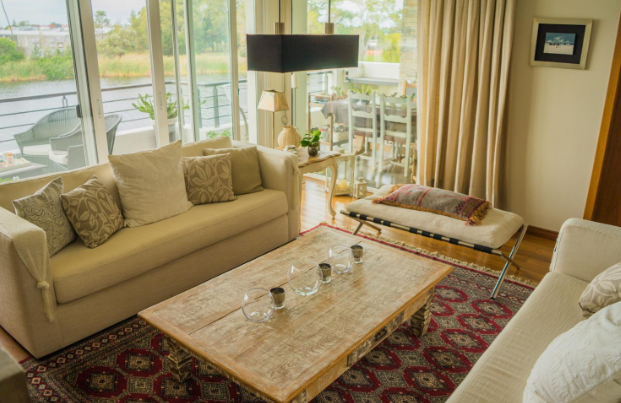
Florida light is one of the state’s greatest luxuries, and one of its strongest design forces. Many homes feature large windows, open layouts, and outdoor-to-indoor flow because sunlight is part of daily living.
Instead of blocking it, good design learns to shape it.
Sheer curtains, adjustable shades, and neutral palettes help soften brightness without eliminating it. Light wall paint tones, soft whites, sandy neutrals, pale greens, or coastal blues, reflect natural sunlight and make rooms feel open and airy.
When the design embraces light, the home feels connected to its surroundings.
Think Beyond the Living Room: Outdoor Living Is Part of the Lifestyle
In Florida, the patio, lanai, or deck isn’t an afterthought, it’s another room. Many households spend evenings outside, enjoying breezes, grilling, dining, or unwinding.
Investing in outdoor-ready, durable furniture elevates that experience. Weatherproof seating, outdoor rugs, and cushions made for UV and moisture exposure help blur the line between indoor comfort and outdoor enjoyment.
Good design in Florida expands outward, not inward.
Plan for Storage and Practicality
Florida homes often need storage tailored to an active lifestyle, whether it’s for beach essentials, boating gear, seasonal decor, or outdoor equipment. Built-ins, mudroom storage, garage systems, or even simple labeled baskets help maintain order when life includes sand, sunscreen, and spontaneous outings.
The U.S. Department of Energy suggests that improving home organization and storage systems can increase livability, especially in warm climates where clutter accumulates as families spend more time outdoors. Organization becomes less about aesthetics and more about supporting the pace of everyday living.
Choose Pieces That Reflect How You Live, Not Just How a Room Should Look
After the move, unpacking is only part of the process. Settling in means noticing where you gravitate during slow mornings, where natural light feels best for reading, and what spaces become gathering points in daily life.
A comfortable home reflects those rhythms rather than forcing movement into rigid room functions.
A seating nook may become the heart of the house. A dining area may turn into a workspace or craft area. A guest room may double as overflow storage or a beach-day staging room.
Furnishing becomes easier when you begin with how you live, not how a space is labeled.
Your Florida Home Should Feel Like an Invitation, Not a Project
The most welcoming Florida homes are the ones that feel relaxed, lived-in, and intentionally shaped over time, not rushed into completion. The move marks the beginning of the journey, but comfort comes from lighting, routine, texture, climate awareness, and the personal touches that follow.
A home down south isn’t just a relocation, it’s an adjustment to light, air, lifestyle, and pace.
And when the design embraces that, the space stops feeling new and starts feeling like home.