


Proper insulation in your home is paramount to achieving energy efficiency, maintaining comfortable living conditions, and reducing utility bills. It acts as a barrier to heat flow, keeping your home warm in the winter and cool in the summer.
However, not all areas of your home require the same level of insulation. Prioritizing the most critical areas for insulation can maximize your investment and enhance your home’s overall comfort.
This guide will explore the key areas that deserve your attention and provide insights into making your home more energy-efficient.
Attic
The attic is the most critical area in your home for insulation. It typically has the largest exposed surface area and accounts for about 25% of heat loss in an uninsulated home. A well-insulated attic can save you up to 30% on heating and cooling costs.
There are two main types of insulation to consider: blown-in insulation and batt insulation. Blown-in insulation, or loose-fill insulation, is usually made of cellulose, fiberglass, or mineral wool. It’s an excellent option for filling in small spaces and providing a seamless layer of coverage. Batt insulation, on the other hand, comes in pre-cut panels and is ideal for open areas without obstructions.
To effectively insulate your attic, seal any air leaks before adding insulation. This will ensure that the insulation can do its job without gaps or spaces for air to escape.
Walls
The walls of your home also play a significant role in heat transfer. Insulating them properly can reduce energy loss by up to 35%. There are several types of insulation suitable for walls, including batts, blown-in, and foam boards.
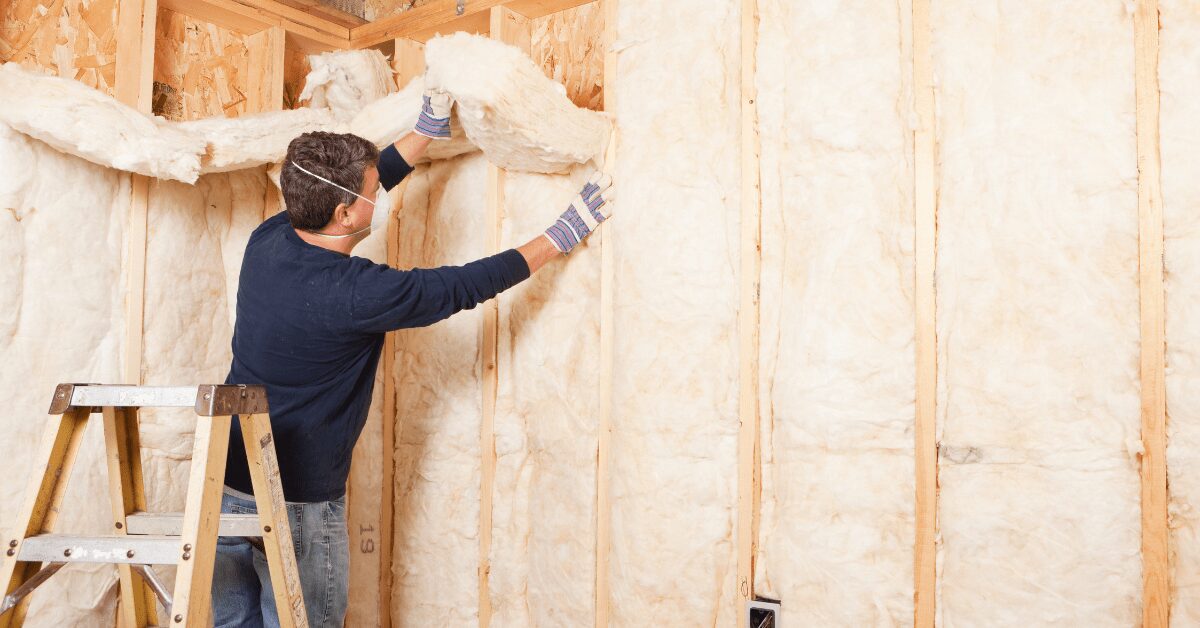
Batt insulation is the most common type used in walls as it comes in pre-cut panels that can easily fit between studs. Blown-in insulation can also be used by drilling small holes into the wall and filling them with loose-fill insulation. Foam boards are another option, as they provide excellent thermal resistance and can be used with batt insulation.
It’s essential to insulate all exterior walls, but don’t forget about the interior walls. Insulating interior walls can reduce noise transfer between rooms and provide added thermal protection for those living in colder climates. For homes that need both energy efficiency and protection from outside elements, it’s crucial to consider professional services like Huntsville pest control, which helps ensure your home stays free from pests while maintaining insulation effectiveness.
Floors
Similar to walls, floors also contribute to heat loss in your home. Properly insulating floors above unheated spaces, such as garages or basements, can save you up to 10% on your heating bill.
The most common types of insulation for floors include batts and blown-in insulation. Batt insulation is ideal for fitting between joists, while blown-in insulation can be used in hard-to-reach areas by drilling small holes into the floor.
It’s important to note that floors should only be insulated if the space below is not heated. Insulating above heated spaces can cause moisture issues and damage your home’s structure.
Windows and Doors
Windows and doors are often overlooked when it comes to insulation, but they can significantly impact your home’s energy efficiency. Properly insulated windows and doors can reduce heat loss by up to 25%.
When choosing windows and doors, look for energy-efficient options with high insulation ratings. This will help keep cold air out in the winter and hot air out in the summer. Adding weatherstripping around windows and doors can also provide an extra insulation layer.
Basement
Similar to attics, basements also significantly impact a home’s overall energy efficiency. Uninsulated basements can account for up to 20% of heat loss in a home, so it’s important to insulate your basement.
When insulating your basement, consider using rigid foam board insulation. It provides excellent thermal and moisture resistance, making it ideal for below-grade spaces. Additionally, sealing any cracks or gaps around windows and doors in the basement can prevent drafts and improve insulation.
Popular Insulation Materials
There are various insulation materials to choose from when insulating your home. Some popular options include:
- Cellulose: Made from recycled paper and treated with fire retardants, cellulose is an eco-friendly and cost-effective option.
- Fiberglass: This material is made of tiny glass fibers and comes in batts or loose-fill form. It’s affordable and widely available.
- Mineral Wool: Also known as rock wool, this material is made from natural minerals and is resistant to fire, mold, and pests.
- Spray Foam: This expanding foam insulation provides an airtight seal and can be used in hard-to-reach areas.
Additional Factors to Consider
- Climate: The climate in your area greatly affects your insulation needs. Homes in colder climates will require a higher R-value to prevent heat loss, while homes in warmer climates might focus more on keeping the heat out. It’s important to consider local weather patterns when choosing insulation types and amounts.
- Home Age: Older homes may have different insulation requirements than newer constructions due to differing building standards and materials used during construction. Evaluating the current insulation and determining areas that need improvement can be crucial in older homes.
- Energy Goals: Define what you hope to achieve with insulation. Whether it’s reducing your carbon footprint, lowering energy bills, or improving home comfort, your goals can dictate the extent and type of insulation you need.
- Budget: Your available budget can influence the type of insulation material you choose, as well as how comprehensive your insulation project will be. While higher-quality materials may offer better insulation, they also come with a higher price tag. Balancing cost and effectiveness is key.
- Ventilation: Proper ventilation should be considered alongside insulation to prevent moisture buildup, which can lead to mold and mildew. Ensuring that your home can still “breathe” properly after insulation is vital for maintaining air quality.
- Accessibility: The ease of access to different parts of your home can affect your insulation choices. Some areas might be harder to reach and require different insulation types or techniques, potentially impacting the overall cost and feasibility of the project.
- Local Building Codes: It’s essential to be aware of and comply with local building codes and regulations regarding insulation. These can vary widely and may dictate specific material requirements, installation methods, and R-values. Checking with your local building department or hiring a professional contractor can help ensure compliance.
Conclusion
Insulation is a crucial aspect of home construction and renovation that can greatly impact your comfort, health, and energy bills.
By understanding the various types of insulation materials and their applications, as well as considering factors such as climate, budget, and accessibility, you can make informed decisions on how to best insulate your home for maximum efficiency.
Properly insulated walls, floors, windows, doors, and basements can create a more comfortable and energy-efficient living space. So don’t overlook the importance of insulation in your home and start considering ways to improve it today.
Comments

