


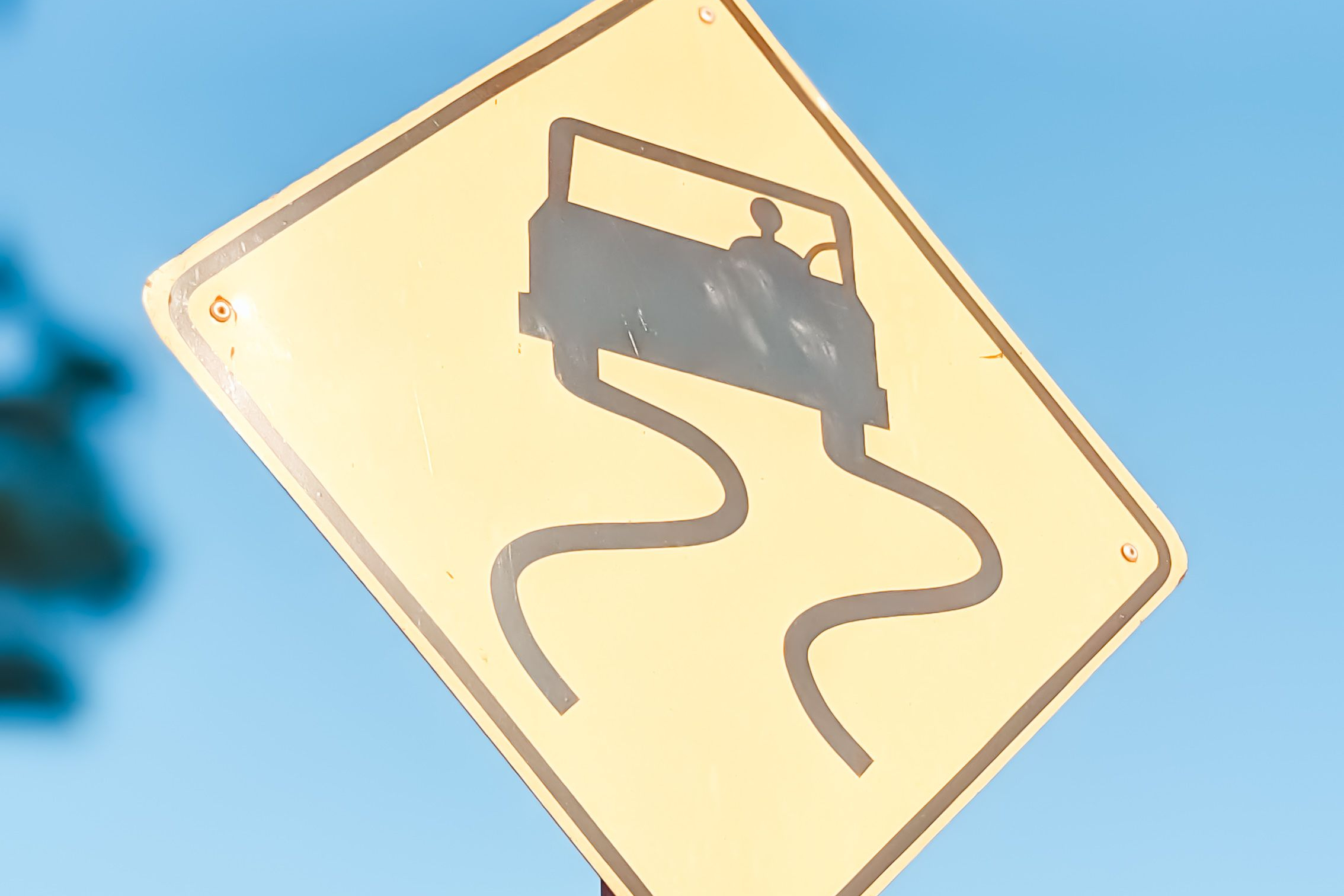
Jacksonville’s mix of busy urban streets, major roads, and ongoing construction can expose motorcyclists to changing pavement conditions. A pothole, uneven surface, or patch of loose material may be easy for a car driver to overlook but can pose a serious threat to someone riding on two wheels. When a road hazard contributes to a motorcycle crash, understanding how the condition developed and who may be responsible can become an important part of the aftermath.
Riders injured on Jacksonville roads may wonder whether a roadway defect, poor maintenance, or another contributing factor played a role in the collision. Anidjar & Levine motorcycle accident attorneys can help examine the circumstances and explain what evidence may support a claim. A closer look at the road conditions and events leading up to the crash can help clarify the issues involved.
Road defects can upset motorcycle control
A pothole can compress suspension, deflect a wheel, or cause a rider to lose control. Uneven pavement can create a similar problem when a motorcycle crosses a height change at an angle. Loose gravel is another hazard because it reduces tire traction during braking, turning, or acceleration.
When a roadway defect contributes to a crash, the evidence should show where the hazard appeared, how the motorcycle encountered it, and what happened immediately afterward. For a rider in Jacksonville, Anidjar & Levine motorcycle accident attorneys can help assess roadway conditions alongside crash reports, photographs, witness accounts, and medical records. The task is to connect the physical hazard to the resulting injuries and responsibility.
Debris creates sudden collision risks
Objects left on a roadway give a rider less time to react than a fixed defect that is visible ahead. Tire fragments, spilled material, broken parts, or other debris can force a lane change, braking maneuver, or evasive turn. A rider who strikes the object can lose traction and fall without contact with another vehicle.
The location of the debris matters. Investigators can compare photographs, witness accounts, vehicle damage, and the roadway layout to determine whether the hazard existed before the crash and whether another party created it or failed to address it.
Wet surfaces reduce traction quickly
Water changes the way tires grip pavement, especially during braking or cornering. Standing water can also hide potholes, worn pavement, or debris that would otherwise be visible. Painted markings, metal surfaces, and other slick areas can create another loss-of-traction point when a motorcycle crosses them.
A rider should document wet conditions as soon as practical. Photos can show puddles, runoff, drainage problems, tire marks, and the surrounding roadway. The sequence matters because conditions can change after traffic passes through.
Construction zones add moving hazards
Road work can create temporary lane shifts, uneven surfaces, loose materials, narrowed lanes, and confusing traffic patterns. Equipment or barriers can also limit a rider’s ability to move away from a hazard. A motorcycle entering a construction area therefore faces a combination of surface and visibility risks.
Evidence from the scene should capture lane markings, signs, barriers, surface changes, and the position of traffic controls. Those details help establish what the rider encountered at the time of the crash, rather than relying on a description.
Poor drainage can hide defects
Drainage problems deserve attention after crashes that occur during or after heavy rain. Water can collect in wheel paths, obscure pavement damage, or spread across a turning area. A motorcycle can react sharply when a rider discovers a submerged defect too late to avoid it.
The investigation should consider where water collected and whether the area showed signs of recurring drainage problems. Nearby pavement wear, repaired sections, and visible depressions can help explain how the hazard affected the motorcycle’s path.
Road hazards can complicate fault
A motorcycle crash can involve more than one contributing factor. A roadway defect, another vehicle’s maneuver, weather, and rider actions can appear in the same sequence of events. Florida uses comparative fault principles, so the evidence should address each factor rather than assuming the first cause tells the whole story.
That makes scene preservation useful. A rider should keep damaged gear, photograph the motorcycle, identify witnesses, and record the road condition before repairs, traffic, or weather changes the evidence.
Medical records connect hazard to injury
Road hazards can produce injuries without a direct vehicle impact. A rider can be thrown from a motorcycle after hitting a pothole or losing traction, leading to injuries that require treatment, rehabilitation, or time away from work.
Medical records should describe the reported crash mechanism and the symptoms that followed. Consistent records help connect the roadway event to the physical consequences and show the resulting losses.
Conclusion
A motorcycle road-hazard crash requires more than a description of where the rider fell. Useful evidence shows the condition of the pavement, the rider’s path, the timing of the hazard, and the resulting injuries. Photographing the scene, preserving damaged equipment, and recording witnesses can preserve those facts. When the cause is disputed, reviewing the roadway and crash sequence can clarify the case.
Comments

