When storms and debris threaten your home, impact-resistant windows and doors serve as your first line of defense. These robust additions do more than just protect against extreme weather — they boost security, reduce noise, and even lower your insurance premiums. Here’s everything you need to know about choosing and installing these protective barriers for your home.
What Makes Windows and Doors Impact-Resistant?
Impact-resistant windows and doors use a special laminated glass construction, similar to car windshields. Two or more glass panes sandwich a strong, clear interlayer made of polyvinyl butyral (PVB) or ethylene vinyl acetate (EVA). When struck, the glass may crack, but the interlayer holds the pieces together, maintaining the barrier between your home’s interior and the outside elements.
The strength of high-impact windows and doors comes from both their materials and construction methods. Manufacturers use heavy-duty frames, often made from aluminum or vinyl, reinforced with steel. The glass assembly undergoes rigorous testing to ensure it meets strict safety standards.
Types of Impact-Resistant Products
Modern manufacturers offer a wide range of impact-resistant options to suit different architectural styles and functional requirements. Each type brings its advantages to your home protection strategy.
Windows
- Single-hung and double-hung: Traditional-looking windows with excellent protection. Single-hung windows have one movable sash, while double-hung allow both sashes to move, offering greater ventilation control and easier cleaning.
- Casement windows: These side-hinged windows offer superior ventilation and seal tightly when closed. They’re particularly effective in high-wind areas due to their compression seal design.
- Fixed windows: Non-opening windows that provide maximum strength and energy efficiency, perfect for picture windows or high-impact zones.
- Sliding windows: Horizontal operation makes these ideal for wider openings and easier cleaning. They work well in contemporary homes and spaces where traditional window styles might be impractical.
Doors
- Entry doors: Available in various materials, including fiberglass, aluminum, and steel, with impact-resistant glass inserts. Many incorporate advanced weatherstripping and threshold designs.
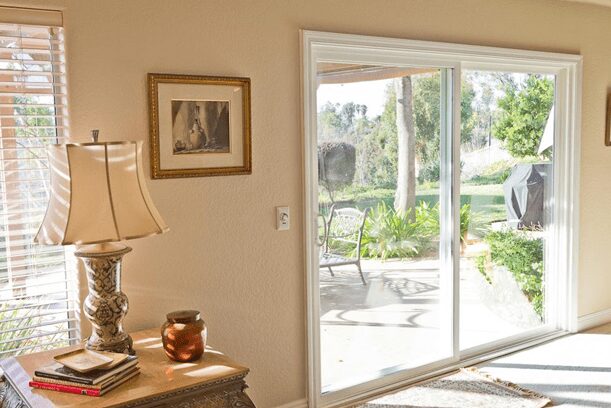
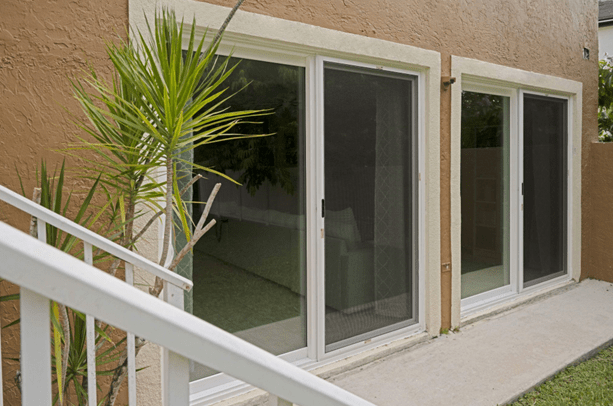
- Sliding glass doors: Perfect for patios, these doors combine security with expansive views. Modern versions include multipoint locking systems for enhanced protection.
- French doors: Traditional appeal meets modern protection with impact-resistant French door options. These doors often feature reinforced frames and multiple locking points.
Understanding Impact Ratings
Impact-resistant products must meet specific standards to earn their ratings. These ratings help homeowners make informed decisions about which products will best protect their properties. Testing procedures are thorough and designed to simulate real-world conditions.
Miami-Dade County Protocols
The gold standard for impact resistance, these requirements include:
- Large missile impact test: Products must withstand the impact of a 9-pound 2×4 lumber piece shot at 50 feet per second.
- Small missile impact test: Tests resistance against smaller objects like roof gravel.
- Cyclic pressure testing: Simulates hurricane-force winds.
The Miami-Dade standards have become the benchmark for coastal regions and areas prone to severe storms. Products that meet these requirements often exceed building codes in other regions.
ASTM Standards
Building professionals rely on several key ASTM standards when selecting and installing impact-resistant products:
- ASTM E1886: The test method for performance, focusing on the structural integrity of the entire window or door system.
- ASTM E1996: The specification for performance, which sets minimum requirements for different hurricane zones.
- Design Pressure (DP) rating: Indicates how much wind pressure the unit can handle, with higher numbers signifying greater strength.

Installation Requirements
Even the highest-rated products won’t perform properly if installed incorrectly. Here’s what proper installation involves:
Preparation
Before any installation begins, several crucial steps must be completed to ensure optimal performance:
- Accurate measurements of existing openings
- Removal of old windows or doors without damaging the surrounding structure
- Inspection of the frame area for water damage or rot
- Proper cleaning and preparation of the opening.
Installation Process
The installation follows a specific sequence to ensure maximum protection:
- Applying waterproof flashing around the opening
- Inserting the window or door unit
- Leveling and plumbing the unit
- Securing with appropriate fasteners at manufacturer-specified intervals
- Sealing all gaps with proper weatherproofing materials
- Installing interior and exterior trim.
Cost Considerations
Impact-resistant windows and doors require a significant investment, but they offer long-term value through multiple benefits. Understanding the full cost picture helps homeowners make informed decisions about their investments.
The upfront costs can vary significantly based on product quality and regional factors, but the average prices are as follows:
- Windows: $40-100 per square foot
- Doors: $700-3,000+ per unit
- Professional installation: 20-30% of product cost
Long-term Benefits
Many homeowners find that the initial investment pays for itself through various savings and benefits:
- Lower insurance premiums (often 10-25%)
- Reduced energy costs
- Enhanced home value
- Decreased risk of storm damage
- Better security against break-ins.
Conclusion: How to Make the Right Choice
When selecting impact-resistant windows and doors:
- Check local building codes for minimum requirements
- Consider your climate and specific risks
- Look for products that match your home’s style
- Compare warranties from different manufacturers
- Get multiple installation quotes from certified professionals
- Ask about energy efficiency ratings
- Review actual samples of the products.
Impact-resistant windows and doors work as a system — mixing different brands or skipping professional installation can compromise their effectiveness. While the upfront cost might seem high, the protection and peace of mind these products provide make them a smart investment for many homeowners.
Comments